
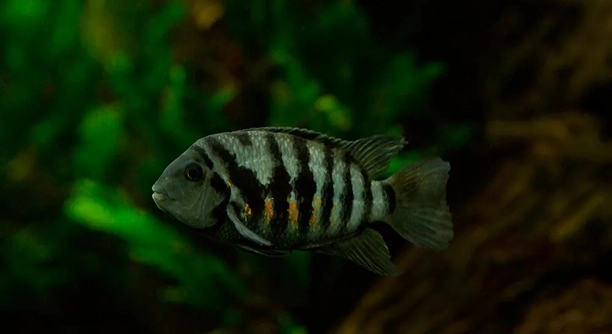
Is your cichlid suddenly acting scared around you? Many fish owners notice their cichlid hiding or avoiding interaction without clear reasons. This behavior can be concerning but often relates to the fish’s environment or instincts.
Cichlids act afraid due to stress, changes in their tank, or perceived threats. Sudden movements, unfamiliar surroundings, or aggressive tank mates can cause fear responses. Understanding these triggers helps reduce stress and improves the fish’s comfort and behavior.
Recognizing the causes behind your cichlid’s fear is the first step to creating a calm and healthy tank environment for it.
Common Reasons for Fearful Behavior in Cichlids
Cichlids are sensitive to their environment, and many factors can cause them to act afraid. Sudden changes in water temperature, poor water quality, or a new tank setup often lead to stress. These fish rely heavily on stable conditions to feel safe. Another major reason is the presence of aggressive or territorial tank mates. Cichlids naturally defend their space, and when threatened, they retreat or hide. Frequent tapping on the glass or sudden movements outside the tank also startle them. In addition, insufficient hiding spots leave cichlids feeling exposed. Providing plenty of plants, rocks, or decorations can help them feel secure. Understanding these common causes helps you create a calmer environment where your fish can thrive.
Stress from environmental changes is the primary cause of fearful behavior in cichlids. Stability is key to their well-being.
To reduce your cichlid’s fear, maintain consistent water parameters and avoid sudden disruptions. Monitor tank mates closely to prevent bullying. Add hiding places for your fish to retreat when they feel threatened. Limiting external disturbances, like tapping or shadows near the tank, also helps. Regular water testing ensures the environment remains safe and comfortable. Paying attention to these details creates a supportive space where your cichlid feels less anxious. Over time, with care and patience, your fish will show more natural, confident behavior.
How to Build Trust with Your Cichlid
Patience is essential when helping a fearful cichlid feel comfortable. Avoid sudden movements near the tank and allow your fish time to adjust to your presence. Feeding your cichlid at regular times creates a routine they can rely on. Use slow, gentle motions when interacting with the tank. Speaking softly or sitting quietly nearby can help your fish associate you with calmness. Over several days or weeks, these actions encourage trust and reduce stress.
Spending quiet time by the tank helps cichlids become more familiar with you.
Trust grows slowly and requires consistent effort. Start by feeding your fish by hand or placing food near them to build a positive connection. Avoid chasing or tapping the glass, which can reinforce fear. Observe your cichlid’s reactions to find the best ways to interact without causing anxiety. Keeping the environment stable and stress-free is equally important. Remember that each fish is different, and some may take longer to feel safe. The goal is steady progress, allowing your cichlid to explore its surroundings without fear and gradually approach your presence. With care, your fish will become more relaxed and show natural behaviors more often.
Signs Your Cichlid Is Stressed
Stress in cichlids often shows as hiding, erratic swimming, loss of appetite, or faded colors. These behaviors indicate discomfort and should be addressed promptly to prevent health problems.
Changes in behavior are key signs your cichlid is stressed. Constant hiding or refusing food suggests the fish feels unsafe. Erratic swimming or rubbing against objects may indicate irritation or poor water conditions. Faded colors can be a response to stress or illness. Stress weakens the immune system, making cichlids more vulnerable to disease. Observing these signs early helps prevent long-term issues. Consistent care and monitoring are essential to maintain a healthy tank and a calm fish.
If stress is ignored, it can lead to serious health problems such as infections or weakened immune response. Maintaining clean water and stable tank conditions reduces these risks. Avoid overcrowding, as it increases aggression and tension among fish. Providing proper nutrition and hiding spaces supports recovery and well-being. Regular observation allows you to catch stress signs early, making interventions more effective. Acting quickly creates a safer, more comfortable environment where your cichlid can thrive and show its true colors.
Tips for Creating a Comfortable Tank Environment
Maintain stable water parameters by testing regularly and performing partial water changes. Keep temperature, pH, and ammonia levels consistent to reduce stress.
Provide plenty of hiding spots with plants, rocks, or decorations. Cichlids need places to retreat to feel safe. Avoid overcrowding by limiting the number of fish in the tank. Select compatible tank mates to prevent aggression and territorial disputes. Use gentle lighting and avoid sudden bright flashes. Minimize noise and vibrations near the aquarium, as these can startle the fish. Feeding a balanced diet supports their health and reduces stress. Small changes in the tank environment can have a big impact on your cichlid’s behavior and comfort.
Handling New Additions to the Tank
Introducing new fish or decorations can unsettle cichlids. Gradually acclimate any additions to avoid sudden stress. Monitor your fish closely after changes.
New tank mates should be introduced slowly, ideally in separate quarantine tanks first. This reduces the risk of disease and aggression. Changing decorations can disrupt established territories, so rearrange carefully and in small steps.
Understanding Cichlid Territorial Behavior
Cichlids are naturally territorial and often defend their space aggressively. This behavior is a key reason they may act fearful or hide in the presence of other fish. Recognizing this helps manage tank arrangements better.
Feeding Habits and Behavior
Regular feeding times help your cichlid feel secure. Irregular or inconsistent feeding can increase stress and fear responses. Stick to a schedule to promote calm behavior.
Why is my cichlid always hiding?
Cichlids hide when they feel threatened or stressed. This behavior helps them feel safe from perceived dangers like aggressive tank mates, sudden changes, or loud noises. Lack of proper hiding spots can increase their stress. Providing plants, rocks, and decorations offers shelter, encouraging them to come out more often.
Can cichlids recognize their owners?
While cichlids don’t recognize people like mammals do, they can become familiar with your presence. They learn to associate your movements with feeding or calm interactions. Over time, this can reduce their fear and help them respond more positively when you approach the tank.
What causes sudden fear in cichlids?
Sudden fear often results from abrupt changes in the environment, such as loud noises, tapping on the glass, or quick movements nearby. Water quality issues or aggressive fish in the tank can also cause stress. Consistency and a calm environment are crucial to prevent sudden fear reactions.
How long does it take for a cichlid to stop being scared?
The time varies depending on the fish’s personality, tank conditions, and your efforts to create a safe environment. Some cichlids adjust in days, while others may take weeks or even months. Patience and consistent care are key to helping them feel secure.
Is it normal for cichlids to be aggressive?
Yes, aggression is common because many cichlid species are territorial by nature. This behavior helps them protect their space and resources. Managing tank mates and providing enough space and hiding spots reduces aggressive encounters and helps keep stress low.
Can poor water quality make cichlids afraid?
Yes, poor water quality causes discomfort and stress, which can make cichlids more fearful. High ammonia or nitrite levels, incorrect pH, and sudden temperature changes all contribute. Regular water testing and maintenance are essential for their health and calm behavior.
How can I tell if my cichlid is stressed or sick?
Signs like constant hiding, loss of appetite, faded colors, and erratic swimming can indicate both stress and illness. Watch for physical symptoms such as spots, swelling, or frayed fins. Stress weakens immunity, so illness often follows if problems aren’t addressed quickly.
Does tapping on the glass harm cichlids?
Tapping startles cichlids and increases their stress, causing fearful behavior. While it may not directly harm them, repeated tapping disrupts their sense of safety. Avoid tapping and sudden movements around the tank to create a calm environment.
Should I separate aggressive cichlids?
Separating overly aggressive cichlids is often necessary to reduce stress and prevent injury. Use dividers or different tanks if conflicts persist. Sometimes rearranging decorations or increasing hiding spots can help, but isolation is the safest solution for very aggressive individuals.
What is the best way to calm a scared cichlid?
Maintaining stable water conditions, reducing sudden disturbances, and providing hiding places are the best ways to calm a scared cichlid. Regular feeding at consistent times helps build trust. Slow, gentle interactions support a sense of security and encourage natural behavior.
Final Thoughts
Understanding why your cichlid acts afraid is important for maintaining its health and happiness. Fearful behavior usually signals that something in the environment is causing stress. It could be changes in water quality, aggressive tank mates, or a lack of safe places to hide. Cichlids depend on stable conditions and a calm setting to feel secure. Paying attention to their behavior and surroundings helps you create a tank that meets their needs. This reduces fear and encourages your fish to act more naturally and comfortably.
Taking steps to improve your cichlid’s environment can make a big difference. Consistently testing and maintaining water parameters keeps the tank healthy and reduces stress. Adding plants, rocks, or decorations provides hiding spots that help your fish feel safe. Careful selection of compatible tank mates can prevent aggression, which is often a source of fear. Limiting sudden movements, tapping, or loud noises near the tank also contributes to a calmer atmosphere. These small but consistent changes create a supportive space where your cichlid can thrive.
Building trust with your cichlid takes time and patience. Your fish will gradually become more comfortable if you feed it regularly and interact gently. Avoiding disruptions and maintaining routine helps lower anxiety. Watching for signs of stress or illness allows you to address problems early. Over time, your cichlid will show less fear and more natural behaviors. Providing a stable, peaceful environment is key to supporting your fish’s well-being and happiness in its home.

Hello,
If you enjoy the content that we create, please consider saying a "Thank You!" by leaving a tip.
Every little bit helps us continue crafting quality advice that supports the health, happiness, and well-being of pets around the world, for pets of all shapes, sizes, and species.
We really appreciate the kindness and support that you show us!