
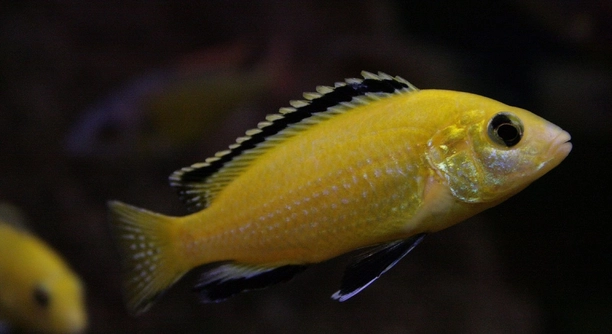
Are your cichlids finally showing signs of pairing up, but you’re unsure how to support them through the breeding process? Raising fish from eggs to fry can feel overwhelming for first-time breeders.
Breeding cichlids for the first time requires attention to tank setup, water conditions, and pairing behavior. Providing the right environment and understanding each stage can significantly improve the chances of successful spawning and fry survival.
These tips will help you create the right setup, recognize key behaviors, and avoid common mistakes new cichlid breeders often face.
Choose Compatible Cichlid Pairs
Choosing the right pair of cichlids is one of the most important steps for breeding success. Not all cichlids will pair off naturally, and some species are more selective than others. Start by selecting healthy adults with no visible signs of disease or injury. If you’re working with species that breed in pairs, such as angelfish or kribensis, it’s best to raise a group of juveniles together and let them form natural pairs. For species that breed in harems, like some African cichlids, one male and several females are often needed. Be sure to research your species’ specific pairing behavior. Monitor their interactions carefully and separate any overly aggressive fish that may cause stress or injury. Compatibility reduces fighting and increases the chances of successful mating. A peaceful environment also supports better egg laying and fry development.
Use separate tanks or dividers if necessary to test compatibility before moving fish into the main breeding tank.
Give your cichlids time to adjust. Forced pairings rarely work, and aggression can quickly become a problem. Watching for natural bonding behaviors—like swimming together or cleaning a surface—can help you spot promising pairs. Once a bond forms, the breeding process can move forward with more stability and less stress.
Set Up a Proper Breeding Tank
The breeding tank should be clean, spacious, and set up with the specific needs of your species in mind.
Create a calm space that mimics their natural environment. Use substrate, rocks, or flat surfaces where eggs can be laid. For mouthbrooders, open areas and hiding spots are helpful for fry safety. Keep the temperature and pH stable, and make sure filtration is gentle. A sponge filter is ideal because it provides clean water without strong currents that could disturb eggs or fry. Avoid overcrowding and add live plants or caves if your species prefers them. Lighting should be moderate, and any sudden changes in water conditions should be avoided. Regular water changes (around 25%) can help maintain ideal conditions. Use a thermometer and test kits to monitor water quality closely. Remove uneaten food daily to prevent ammonia buildup. Breeding cichlids thrive in well-maintained tanks that reflect their natural habitat. Small details like tank layout and water parameters can have a big impact on breeding success and fry survival.
Monitor Behavior Closely
Watch your cichlids carefully during the pairing and breeding phase. Aggression, stress, and territorial disputes can stop the process entirely or harm the fish. Early signs of bonding and nest preparation should be encouraged and protected from disruption.
During this stage, you may notice the pair cleaning a flat surface or digging into the substrate—these are good signs. If one fish becomes too aggressive, separate them temporarily and try reintroducing them later. Males can become overly dominant, especially in smaller tanks. Keep hiding places available to reduce stress. Feeding well-balanced, high-protein foods like bloodworms or brine shrimp can help support breeding behavior. Be patient and consistent with your observations. Avoid changing tank conditions unless absolutely necessary, as it can interrupt progress. Stay calm, and let them work through their natural process while keeping a close watch on their safety and interaction levels.
After spawning, behaviors will shift again. Some species become highly protective, while others may ignore the eggs or even eat them. Know your species’ tendencies in advance. If they’re likely to eat the eggs, consider removing the parents or separating the eggs into a different tank. Watch for signs of fungus or bacteria, and remove any eggs that turn white. Daily checks will help keep things on track without stressing the fish. Avoid using harsh chemicals in the tank during this time, and keep lighting gentle to reduce anxiety.
Care for Eggs and Fry
Once eggs are laid, maintaining stable conditions is essential. Keep the tank calm and quiet, and limit activity around the area. Temperature should stay consistent, usually between 76–82°F, depending on species. Avoid sudden water changes during this stage.
For egg layers, fungus is the main risk. You can use a few drops of methylene blue or increase aeration with an air stone to prevent it. If eggs hatch successfully, the fry will feed off their yolk sacs for the first few days. Don’t feed until the sacs are absorbed. Afterward, offer finely crushed flakes, baby brine shrimp, or specialized fry food. Keep the filter intake covered with a sponge to avoid accidents. Perform small, frequent water changes using treated water at the same temperature to avoid shocking the fry. Monitor growth closely, as some may grow faster and start to bully smaller siblings. If needed, separate fry by size into different tanks to ensure even development.
Feeding the Fry
Feeding fry small, nutritious meals several times a day helps them grow quickly and stay healthy. Start with infusoria or liquid fry food before moving to baby brine shrimp or crushed flakes.
Avoid overfeeding, as uneaten food pollutes the water and harms the fry.
Maintain Water Quality
Consistent water quality is crucial for fry survival. Perform frequent, small water changes to keep nitrate and ammonia levels low. Use a gentle filter that won’t suck in the fry. Regularly test the water and adjust as needed to maintain stable temperature and pH levels.
Separate Aggressive Fry
As fry grow, some may show aggressive behavior. Separate the most aggressive individuals to prevent bullying and injury among siblings.
This helps maintain a peaceful environment and improves survival rates.
FAQ
How long does it take for cichlid eggs to hatch?
Cichlid eggs typically hatch within 3 to 7 days, depending on the species and water temperature. Warmer water speeds up development, while cooler water slows it down. After hatching, the fry will remain attached to their yolk sacs for a few days before swimming freely.
Can I leave the parent cichlids with the fry?
Whether to keep parents with fry depends on the species. Some cichlids protect their young and help care for them, while others may eat the eggs or fry. Mouthbrooding cichlids usually keep their fry safe inside their mouths. Research your specific species to decide if you should separate parents and fry after spawning.
What is the best food for baby cichlids?
Baby cichlids start with very small, soft foods. Infusoria or liquid fry food is ideal in the first few days. As fry grow, offer baby brine shrimp, finely crushed flakes, or powdered fry food. Feed small amounts multiple times daily to support steady growth.
How often should I change the water during breeding?
During breeding and fry rearing, small water changes (about 10-20%) every two to three days are best. Avoid large or sudden changes to prevent stress. Always use dechlorinated water at the same temperature as the tank. Consistent water quality reduces disease risk.
What tank size is suitable for breeding cichlids?
A breeding tank of at least 20 gallons is recommended for most cichlid pairs, providing enough space for territory and fry. Larger tanks reduce aggression and make it easier to maintain water quality. Adjust tank size depending on species and number of fry expected.
How can I tell if my cichlids are ready to breed?
Signs of readiness include increased territorial behavior, nest preparation like digging or cleaning surfaces, and changes in coloration. Pairs often swim closely together and guard their chosen breeding spot. Healthy adult fish that show interest in each other are usually ready to breed.
What should I do if eggs get fungus?
Remove any eggs that turn white or fuzzy to prevent fungus spread. Adding a few drops of methylene blue or increasing aeration can help control fungus. Maintaining excellent water quality and avoiding overcrowding reduce the chance of fungal infections.
Is it necessary to feed the parents special food during breeding?
Feeding parents a high-quality, protein-rich diet like live or frozen bloodworms, brine shrimp, or pellets supports their health and breeding behavior. Proper nutrition increases fertility and helps parents care for their eggs and fry more effectively.
Why are some fry growing faster than others?
Growth rates vary due to genetics, access to food, and competition. Larger, stronger fry often outcompete smaller siblings for food. Separating fry by size can help ensure more even growth and reduce bullying or injuries among the young fish.
Can I breed different species of cichlids together?
Breeding different cichlid species together is not recommended. Hybrid offspring can occur but may have health or fertility problems. It’s best to keep species separate to preserve their unique traits and maintain healthier breeding conditions.
These answers cover many common concerns and can help guide you through your first breeding attempts. Understanding each step and potential challenge improves your chances for a healthy, successful batch of fry.
Breeding cichlids for the first time can feel challenging, but with careful attention and patience, it becomes manageable. Each step, from choosing compatible pairs to caring for the fry, plays an important role in the process. Paying close attention to water quality, tank setup, and fish behavior will help create an environment where your cichlids can successfully reproduce. Taking the time to understand the needs of your specific species also makes a difference. While it may take some trial and error, learning from each experience will improve your skills as a breeder.
Creating the right environment for breeding requires consistency and care. It’s important to maintain stable water conditions, offer nutritious food, and provide hiding spots or surfaces for eggs depending on the species. Watching your fish closely allows you to catch problems early, such as aggression or illness, before they become serious. Adjustments to the tank or separating fish when necessary can help reduce stress and encourage successful spawning. Being patient is key, as rushing the process often leads to setbacks. The more you observe and respond to your fish’s behavior, the better your chances of success.
Caring for fry demands ongoing attention. Feeding small, frequent meals and performing regular water changes keep the young fish healthy. Separating fry by size can prevent bullying and promote even growth. Remember that not all eggs or fry will survive, which is natural in breeding. Each attempt provides useful insights to refine your methods. Over time, you will gain confidence and knowledge that makes breeding easier and more rewarding. Whether breeding for enjoyment or to improve your fish stock, staying consistent and informed helps create a positive outcome for your cichlids.

Hello,
If you enjoy the content that we create, please consider saying a "Thank You!" by leaving a tip.
Every little bit helps us continue crafting quality advice that supports the health, happiness, and well-being of pets around the world, for pets of all shapes, sizes, and species.
We really appreciate the kindness and support that you show us!