
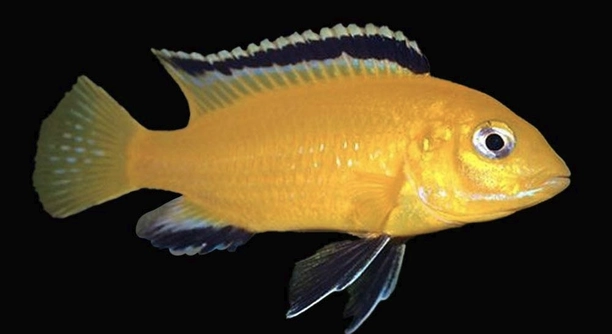
Observing cichlid hierarchies reveals fascinating social structures within their aquatic environment. These fish establish clear ranks that influence their behavior and interactions. Watching these patterns helps better understand their natural dynamics and care requirements.
To observe cichlid hierarchies in action, focus on their body language, territory control, and interaction frequency. Dominant fish display bold movements and occupy prime spaces, while subordinate fish show submissive postures and avoid confrontation. Consistent observation reveals these social rankings clearly.
Knowing how to identify and interpret these behaviors enhances your appreciation of cichlids’ complex social lives and supports effective aquarium management.
Recognizing Dominant and Submissive Behaviors
Dominant cichlids often display confident movements such as flaring their fins, swimming assertively, and controlling key areas of the tank. They may chase away other fish or hold the best hiding spots and feeding areas. Submissive fish tend to keep a lower profile, often retreating or avoiding direct contact with dominant individuals. They show less vibrant colors and may stay near the bottom or corners of the tank. Observing these actions carefully over time helps distinguish who holds higher rank and who is lower in the social ladder. These behaviors are crucial for maintaining balance within the aquarium community. Understanding them also reduces stress and aggression, which benefits both fish and keeper. It’s helpful to watch during feeding times or when new fish are introduced, as hierarchies become more obvious during these moments. A clear hierarchy can prevent constant fighting and promote a stable environment.
Dominance is mostly shown through space control and body language, while submission is marked by avoidance and muted colors.
Tracking these behaviors regularly offers insight into cichlid social structure, helping you manage tank dynamics effectively and create a peaceful habitat.
Using Tank Setup to Observe Hierarchies
Tank design greatly influences how clearly you can observe cichlid social rankings. Providing plenty of hiding places like rocks, caves, and plants allows subordinate fish to escape and reduces conflict. Open swimming spaces encourage dominant fish to patrol and assert control. When the tank has varied territories, it becomes easier to see how fish claim and defend areas. Watching how they move between territories reveals social rankings clearly. Decorations should be arranged to break sightlines sometimes, giving shy fish spots to hide but not fully isolate. This balance encourages natural interaction and reduces constant aggression. Lighting also plays a role; soft, even lighting helps see colors and behaviors without stressing the fish. Keeping the tank clean and stable reduces external stress, letting the hierarchy form naturally. Adjustments in tank setup can make it easier to notice small but important signs of dominance or submission during daily observations.
A well-planned environment allows natural behaviors to emerge, making hierarchy observation more straightforward and less stressful for your cichlids.
Signs of Stress in Subordinate Cichlids
Stress in subordinate cichlids often shows through changes in behavior and appearance. They may hide more frequently, eat less, or display duller colors. Rapid breathing or erratic swimming can also be signs of discomfort caused by dominant fish pressure.
Watching these subtle signs helps protect less dominant fish. Stress can weaken their immune systems, making them prone to disease. If a subordinate fish is constantly chased or unable to find shelter, it may struggle to thrive. Adjusting tank conditions or rearranging hiding spots can reduce this stress. Sometimes adding more cover or separating overly aggressive fish helps restore balance. Monitoring interactions daily allows timely intervention before problems worsen.
By recognizing stress indicators early, you can improve your cichlids’ health and create a more peaceful tank environment.
Feeding Behavior and Hierarchy Influence
Feeding time often highlights cichlid social ranks. Dominant fish usually get first access to food, while subordinate fish wait or eat smaller portions. This uneven distribution reflects their place in the hierarchy and can affect growth rates. To help all fish, scatter food in different areas to reduce competition. Feeding smaller amounts frequently also lessens aggression.
Watching how fish react to feeding reveals much about their social order. Dominant fish may chase others away or position themselves near the feeding spot. Subordinates might wait at the edges, cautious but eager to grab leftovers. These patterns are useful for understanding how resources are shared and where stress might build up. Feeding strategies that consider hierarchy improve health and reduce tension. This attention supports a balanced aquarium where all cichlids can thrive.
Monitoring Changes After Adding New Fish
Introducing new cichlids often shifts the hierarchy quickly. Watch for increased chasing or displays of dominance as fish establish rank. Some stress is normal but should not be constant. Keep an eye on how quickly balance returns.
If aggression lasts too long or subordinate fish hide excessively, consider separating newcomers. Gradual introductions help ease tension and reduce stress for all fish involved.
Importance of Consistent Observation
Regular observation is key to understanding your cichlids’ social order. Small changes in behavior or color can signal shifts in hierarchy or health issues. Consistent monitoring allows early action before problems escalate.
Documenting Your Observations
Keeping a simple log of behaviors, feeding patterns, and interactions helps track hierarchy changes over time. Notes can guide adjustments in tank setup or care to maintain harmony among fish.
When to Intervene
Intervene if aggression causes injury or long-term stress. Separating overly dominant fish or rearranging the tank can restore peace. Timely action ensures a healthier environment for all cichlids.
FAQ
How can I tell if my cichlid is dominant or submissive?
Dominant cichlids often swim confidently, flare their fins, and control prime spots like caves or feeding areas. They may chase other fish or show brighter colors. Submissive fish usually avoid confrontation, hide more, and display duller colors. Watching these behaviors over several days helps identify their rank.
Why do cichlids change colors during hierarchy displays?
Color changes are a way cichlids communicate status. Dominant fish show brighter, more vivid colors to assert control and intimidate rivals. Submissive fish often become duller or paler to avoid drawing attention. These color shifts can happen quickly and reflect changes in social standing.
What should I do if aggression becomes severe?
If fighting causes injury or stress, separate the aggressive fish immediately. Rearranging the tank to break territories or adding more hiding spots can reduce conflict. In some cases, removing the most aggressive individual is necessary to restore balance and protect others.
Can tank size affect cichlid hierarchies?
Yes, tank size plays a big role. Smaller tanks force fish into close contact, increasing competition and stress. Larger tanks give fish space to establish territories and escape aggression. Providing enough room helps keep the hierarchy stable and reduces harmful behavior.
How often should I observe my cichlids to understand their hierarchy?
Daily observation is best. Spend a few minutes watching how fish interact, especially during feeding or when new fish are introduced. Noticing small behavior changes early helps you respond before problems grow.
Is it normal for subordinate fish to hide a lot?
Yes, hiding is a common stress response in subordinate fish. It helps them avoid conflict and conserve energy. However, excessive hiding may signal too much aggression or insufficient shelter, which requires changes to the tank setup.
Can feeding habits indicate social rank?
Feeding behavior often reflects hierarchy. Dominant fish eat first and may chase others away. Subordinates wait or eat leftovers. Scattering food and feeding multiple times a day can reduce competition and help all fish eat properly.
Will adding more hiding spots reduce aggression?
Adding caves, rocks, or plants gives shy fish places to retreat, which lowers stress and fights. Well-placed hiding spots break sightlines and reduce territorial disputes. This is especially helpful in tanks with many cichlids or aggressive species.
Do all cichlids form hierarchies?
Most cichlid species establish some form of social ranking, though the intensity varies. Some species are more aggressive and territorial, while others are more peaceful. Understanding your species’ typical behavior helps manage their social structure.
Can I train my cichlids to reduce aggression?
While cichlids are not trainable in the traditional sense, consistent routines and tank maintenance can reduce stress. Stable conditions and predictable feeding times help fish feel secure, which lowers aggressive behavior over time.
How long does it take for a hierarchy to form?
Hierarchies usually form within days or weeks of fish introduction, depending on species and tank conditions. During this period, expect more chasing and displays as fish establish rank. After that, interactions generally become calmer.
What role does lighting play in observing hierarchies?
Even, soft lighting makes it easier to see color changes and subtle behaviors without stressing the fish. Harsh or flickering lights can cause discomfort, hiding signs of dominance or submission. Proper lighting supports clearer observation.
Is it necessary to separate fish if the hierarchy is unstable?
Not always. Some instability is natural as ranks shift. However, if fighting causes injury or prolonged stress, separation is necessary. Temporary isolation or tank rearrangement can help restore a peaceful balance.
How can I encourage peaceful coexistence among cichlids?
Providing ample space, hiding places, and scattered feeding spots reduces competition. Avoid overcrowding and maintain good water quality. Choosing compatible species and similar-sized fish also helps minimize aggression and promotes harmony.
What signs show a hierarchy is well established?
When chasing and aggression decrease, fish swim calmly, and dominant individuals maintain their territories without constant fights, the hierarchy is stable. Subordinate fish will feed and move openly without excessive hiding.
This FAQ covers common concerns about observing and managing cichlid hierarchies. Paying close attention to behavior and tank conditions creates a healthy environment where social structures can form naturally and peacefully.
Final Thoughts
Observing cichlid hierarchies offers valuable insight into their natural behaviors and social structure. Understanding these dynamics helps create a healthier environment for the fish by reducing stress and aggression. By paying attention to their body language, territory use, and feeding habits, you can recognize the roles each fish plays within the group. This knowledge supports better tank management and care practices that respect the natural order of the fish.
It is important to remember that cichlid hierarchies are fluid and can change over time. New fish introductions, tank rearrangements, or changes in environment can shift the balance of power. Regular observation and documentation help track these changes and allow timely interventions when needed. Providing sufficient space, hiding spots, and consistent feeding routines encourages peaceful coexistence and reduces harmful competition. Managing these factors thoughtfully benefits both the dominant and subordinate fish alike.
Ultimately, patience and attention are key when working with cichlid social groups. Aggression is a natural part of hierarchy formation, but with careful monitoring and adjustments, you can maintain a stable and balanced aquarium. Taking the time to learn and observe these behaviors will not only improve the wellbeing of your cichlids but also enhance your enjoyment as an aquarist. A well-maintained tank where social ranks are respected creates a harmonious space for these fascinating fish to thrive.

Hello,
If you enjoy the content that we create, please consider saying a "Thank You!" by leaving a tip.
Every little bit helps us continue crafting quality advice that supports the health, happiness, and well-being of pets around the world, for pets of all shapes, sizes, and species.
We really appreciate the kindness and support that you show us!