
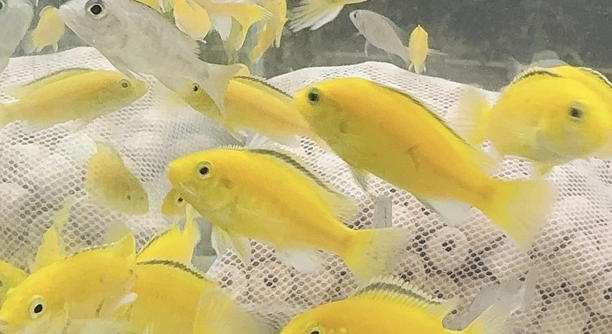
Do your cichlids suddenly dart behind rocks or plants every time you walk into the room, leaving you a little confused?
Cichlids hide when people enter the room due to stress and fear triggered by sudden movement or unfamiliar presence. Their instincts drive them to seek shelter as a defense mechanism, especially in unfamiliar or noisy environments.
Understanding this behavior can help you create a calmer and safer space for your fish to feel secure and more at ease.
Why Cichlids React to Movement and Noise
Cichlids are naturally cautious fish. In the wild, they rely on hiding to stay safe from predators. Even in an aquarium, this instinct doesn’t go away. When someone enters a room, it creates vibrations and sudden movement that can feel threatening to them. Loud sounds, shadows, or a hand moving quickly over the tank can all trigger a hiding response. Cichlids don’t understand your intentions—they just react to what feels safe or unsafe. This is especially common if they’re new to the tank or not yet used to their environment. Giving them time to adjust, along with consistent routines and gentle movement around the tank, helps them feel more secure. Once they begin to recognize that nothing bad happens when you’re near, their behavior may slowly change. Still, some hiding is normal and part of their natural behavior, even when they feel comfortable.
A quiet and predictable environment makes a big difference in helping cichlids feel secure.
Over time, your fish may become more comfortable with your presence, especially if you avoid sudden movement and keep the environment consistent. Feeding them gently and on a schedule can help build trust. They might still hide occasionally, but it should happen less often once they feel safe.
How Tank Setup Affects Their Behavior
Cichlids rely on structure in their tank to feel safe.
A well-designed tank setup can help reduce hiding behavior. Start by providing plenty of hiding places, such as caves, rocks, and plants. These features let your cichlids feel protected without needing to dart away every time they sense movement. When fish know they have safe spaces, they tend to explore more. Also, avoid placing the tank in a high-traffic area or near loud electronics. This limits sudden movement and loud noises that can startle them. Lighting matters too—keep it soft and avoid sudden changes. If possible, approach the tank slowly from the front rather than the top. In the wild, predators often attack from above, so movement from above can be alarming. Water quality also plays a role; poor conditions can cause stress and make them more prone to hiding. If you keep the tank calm, structured, and clean, your cichlids will feel more relaxed and behave more naturally.
Signs Your Cichlids Are Stressed
When cichlids are stressed, they tend to stay hidden for long periods, even during feeding time. You might also notice color fading, clamped fins, or fast breathing. These are all signs of discomfort.
Stress can show up in more ways than just hiding. Some cichlids may become aggressive toward tank mates or refuse to eat. Others might stay in one spot or pace back and forth in the tank. Changes in swimming behavior, like darting or erratic movements, are also common. These signs suggest that something in their environment is off—whether it’s loud sounds, bright lighting, poor water conditions, or lack of hiding spots. Monitoring these signs closely can help you spot issues early.
If your cichlids are usually active but suddenly become withdrawn, it’s worth reviewing their surroundings. Think about any recent changes: new decorations, filter noise, or a different feeding routine. Even minor disruptions can cause unease. Try to return to whatever was working before. Giving them more places to hide and making your movements slower and quieter near the tank can also ease stress. Over time, they may come out more and start acting like their usual selves again once they feel secure.
What You Can Do to Help
Adding more hiding places is one of the easiest ways to help your cichlids feel safe. Use rocks, caves, driftwood, or tall plants to create multiple spots where they can retreat when needed.
Consistency in care also makes a big difference. Try to feed them at the same time each day, and keep lighting changes slow and gentle. Avoid tapping on the glass or moving quickly near the tank. If your cichlids associate you with food and calm behavior, they’ll start to relax over time. A calm environment also includes stable water parameters—make sure the temperature, pH, and hardness stay within their preferred range. Regular water changes and proper filtration are important for maintaining their comfort. If you keep things consistent and respectful of their instincts, they’ll feel less need to hide when you enter the room. These small changes often lead to noticeable improvements in behavior.
When Hiding Becomes Normal
Some cichlids simply prefer to stay hidden, even when there’s nothing wrong. It’s part of their nature, especially for certain species. As long as they eat well and show no signs of illness, it’s usually not a concern.
New cichlids often hide more as they adjust to their surroundings. This phase can last days or even weeks. As they settle in, they may come out more often, especially during feeding times.
How Feeding Habits Play a Role
Cichlids are more likely to come out when they feel secure and associate your presence with food. Feeding at the same time each day helps them build a routine. Always approach slowly when feeding, and keep the space around the tank calm. Scatter food gently and avoid sudden hand movements above the water. Over time, cichlids may begin to come out when they see you approaching. If you’re consistent and patient, they’ll learn to feel safe during feeding times, which can reduce how often they hide when you’re nearby.
What to Avoid Doing
Avoid knocking on the glass or making loud noises near the tank. Fast or unexpected movements can scare your cichlids and cause more hiding.
FAQ
Why do my cichlids only hide when I walk by but act normal otherwise?
This usually happens because your presence feels sudden or unpredictable to them. Even if everything in the tank is set up well, the movement outside can startle them. Fish are sensitive to vibrations and shadows, and even the sound of footsteps can cause stress. If they feel exposed, they’ll retreat to their hiding spots. Over time, they might start recognizing you and show less fear, especially if you move slowly and consistently.
Is it normal for new cichlids to hide all day?
Yes, this is very normal. New fish need time to get used to their surroundings. Hiding is their way of feeling secure while adjusting. It can take a few days to a couple of weeks for them to settle in. During this time, try not to disturb them too much. Keep a calm environment and let them adjust at their own pace. Once they feel more at ease, you’ll notice them swimming out more often.
Should I be worried if my cichlids won’t come out to eat?
If your cichlids are hiding during feeding time and not eating at all, it could be a sign of stress or illness. First, check the water conditions—bad water can make them feel sick or uncomfortable. Then look at their behavior. If they seem otherwise alert and healthy, give it a little more time. They may start eating once they feel safe. But if it continues for more than a few days, it might be time to investigate more closely.
Do certain types of cichlids hide more than others?
Yes, some species are more shy by nature. For example, Apistogrammas and certain dwarf cichlids tend to be more reserved, while others like Mbunas are often bold and active. If your fish are naturally more timid, they may always hide more often than others. This isn’t something to worry about unless it’s paired with other signs of stress or sickness. Understanding the behavior of your specific type helps you know what’s normal and what’s not.
How long does it take for cichlids to stop hiding?
It depends on the fish and their environment. Some cichlids feel safe in just a few days, while others take weeks. If they have enough hiding places and the tank is calm and consistent, they usually come out sooner. Avoid making big changes, and let them adjust in their own time. Building trust through slow movements and scheduled feeding helps them feel more comfortable around you.
Can too many fish in the tank cause hiding?
Yes, overcrowding can lead to stress, which might make cichlids hide more. When the tank is crowded, they have to compete for territory and hiding spots, which can make them anxious. It’s important to give each fish enough space and enough places to retreat to. This keeps the peace and helps reduce stress.
Will cichlids ever stop hiding completely?
Not completely. Even the most confident cichlids will still hide now and then—it’s part of their natural behavior. What you’re aiming for is balance. As long as they’re eating well, swimming actively at times, and not showing signs of distress, occasional hiding is perfectly fine. It’s a sign that they feel secure having somewhere to go when they need it.
Should I rearrange the tank to make them come out more?
Only if the tank doesn’t already have enough hiding spaces. Adding more shelters can help, but frequent rearranging can actually increase stress. Cichlids like stability. Too many changes can make them feel unsafe. If you do need to adjust things, try to make small changes at a time, and watch how they respond.
Final Thoughts
Cichlids hiding when you enter the room is a common behavior and often nothing to worry about. These fish are naturally cautious and rely on hiding to feel safe. Even in a tank with good lighting, clean water, and the right setup, they may still react to movement or sound by retreating to a quiet spot. It’s how they manage stress and protect themselves. Some will hide more than others, depending on their personality, species, and how comfortable they feel in their environment. This is especially true for new additions that haven’t had time to adjust. It can take days or even weeks for a cichlid to feel fully settled, so patience is important.
What you do outside the tank matters just as much as what’s happening inside. Avoid quick movements, loud noises, or tapping on the glass. These things can create stress and cause your fish to hide more often. Give them space, move gently, and try to keep your routine consistent. Feed them slowly at the same times each day. Over time, your cichlids may start to associate you with positive things like food instead of stress. This shift can help them feel more confident and willing to swim out when you’re nearby. Adding enough hiding places also helps. Fish are more likely to explore the tank if they know they have safe spots to return to when they feel uncertain.
Hiding is not always a problem, but it can sometimes be a sign that something needs attention. If your cichlids are not eating, showing pale colors, or acting differently from usual, it’s a good idea to check the tank conditions. Stable water quality, a balanced diet, and a calm space all support their well-being. Cichlids are smart and responsive animals, and with the right care, many will become more interactive over time. But even then, some hiding is natural and healthy. As long as your fish are eating well and showing normal behavior at other times, occasional hiding is perfectly normal. With time, a good setup, and steady care, your cichlids can learn to feel more at ease—even when you walk into the room.

Hello,
If you enjoy the content that we create, please consider saying a "Thank You!" by leaving a tip.
Every little bit helps us continue crafting quality advice that supports the health, happiness, and well-being of pets around the world, for pets of all shapes, sizes, and species.
We really appreciate the kindness and support that you show us!