
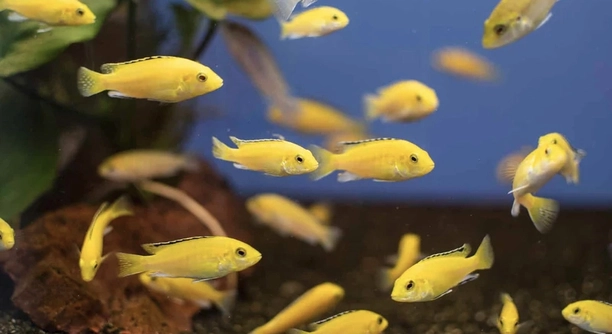
A cloudy cichlid tank can be frustrating for any fish keeper. It often signals an imbalance or issue that needs attention to maintain a healthy environment. Addressing this problem early helps protect your fish and keep the tank looking clear.
Cloudy water in a cichlid tank typically results from excess waste, bacteria blooms, or poor filtration. Regular maintenance, proper feeding, and ensuring adequate filtration are key steps to clear the water and maintain stability in the tank’s ecosystem.
Knowing how to respond effectively to cloudy water can improve your tank’s health and your fish’s wellbeing. The following tips will guide you through practical steps to clear up your cichlid tank efficiently.
Check the Filtration System
A common cause of cloudy water in a cichlid tank is a filtration system that isn’t working properly. Filters remove waste, excess food, and harmful chemicals from the water. If the filter is clogged or not powerful enough, it won’t clean the water effectively. Make sure to clean your filter regularly but avoid over-cleaning, which can remove beneficial bacteria. Also, check that the filter’s flow rate matches your tank size. A weak filter might struggle to keep the water clear, especially in tanks with many fish. Sometimes, replacing old filter media or upgrading to a more efficient filter can make a big difference. Regular maintenance helps keep your filtration system working smoothly and your tank water clear.
Filters that are dirty or inefficient reduce water quality, leading to cloudiness and unhealthy conditions for your cichlids.
Keeping your filtration system in good shape is one of the most reliable ways to maintain clear water. Consider using mechanical, chemical, and biological filtration together for best results. Mechanical filters trap particles, chemical filters remove toxins, and biological filters support beneficial bacteria that break down waste. Inspect the filter monthly and replace media as needed. If you notice decreased water flow, it’s time to clean or service the filter. Avoid rinsing filter media with tap water to preserve beneficial bacteria. Consistent care of your filtration system ensures a healthier environment, preventing cloudy water from returning and helping your cichlids thrive.
Perform Partial Water Changes
Partial water changes are essential when dealing with cloudy tank water. Replacing a portion of the water helps remove excess nutrients and waste that build up over time. Doing a 20-30% water change once a week is a good habit for maintaining water clarity and overall tank health.
Frequent water changes prevent waste accumulation and reduce the chance of bacterial blooms, which cause cloudiness.
Water changes help balance the tank’s ecosystem by removing dissolved waste and replenishing minerals. Use a gravel vacuum to clean the substrate and remove uneaten food or fish waste trapped in the gravel. Always treat tap water with a conditioner before adding it to the tank to remove chlorine and chloramine, which are harmful to fish. Avoid changing too much water at once, as it can stress your fish and disrupt beneficial bacteria. Regular partial water changes keep the water fresh and clear, providing a stable environment for your cichlids to grow healthy and strong.
Avoid Overfeeding
Overfeeding fish is a common reason for cloudy water. Uneaten food decomposes and increases waste, which causes water to become murky quickly. Feeding your cichlids only what they can eat in a few minutes helps reduce this problem.
Feeding the right amount is essential for maintaining water quality. Excess food sinks to the bottom and breaks down, promoting bacterial growth that clouds the tank. Try feeding smaller portions two to three times a day instead of one large meal. Observe your fish to see how much they eat, and adjust accordingly. Using sinking pellets or flakes designed for cichlids can help minimize leftover food. Avoid feeding more than they consume to keep the water clean and healthy.
In addition to portion control, remove any uneaten food promptly. Use a net or siphon to take out leftover pieces to stop decay. Proper feeding habits paired with regular tank maintenance keep water clearer and your cichlids healthier.
Check the Substrate and Decorations
Debris trapped in the substrate or on decorations can cause cloudy water. Uneaten food and fish waste often settle in these areas, slowly breaking down and releasing particles into the water. Regular cleaning is necessary to avoid buildup.
Use a gravel vacuum during water changes to remove debris from the substrate without disturbing your fish too much. Clean decorations gently to avoid damaging beneficial bacteria. Avoid overstocking the tank, which increases waste production and substrate contamination. Proper care of these areas reduces waste accumulation and supports better water clarity.
Control Lighting
Too much light can promote algae growth, which clouds the water and affects tank health. Keep the lighting on for 8 to 10 hours a day to prevent algae blooms and reduce cloudiness.
Using a timer helps maintain consistent light cycles. Avoid placing the tank where it receives direct sunlight.
Test Water Parameters Regularly
Monitoring water quality is key to preventing and fixing cloudy water. Test for ammonia, nitrite, nitrate, and pH levels often. High ammonia or nitrite can indicate a problem with filtration or overfeeding. Keeping these parameters within safe ranges supports a healthy tank and clear water.
Regular testing helps catch issues early. Use reliable test kits and record results to track trends. Adjust maintenance routines based on test results to improve water quality. Stable parameters reduce stress for your cichlids and prevent cloudy water caused by chemical imbalances.
Use Beneficial Bacteria Supplements
Adding beneficial bacteria supplements can speed up the biological filtration process. These bacteria break down waste faster, reducing cloudiness and improving overall water quality.
FAQ
Why is my cichlid tank water cloudy even after cleaning?
Cloudy water can persist after cleaning if the underlying causes are not addressed. Sometimes, beneficial bacteria in the filter or substrate are disturbed during cleaning, causing a temporary bacterial bloom that clouds the water. Overfeeding or poor filtration can also continue to affect water clarity. It’s important to clean filters gently and avoid removing all beneficial bacteria. Consistent maintenance, proper feeding, and ensuring your filtration system is appropriate for your tank size help clear the water over time.
How often should I clean my cichlid tank to prevent cloudiness?
Regular maintenance is key. Partial water changes of 20-30% once a week are recommended. Clean your filter media monthly, but avoid washing it with tap water to preserve beneficial bacteria. Gravel vacuuming during water changes helps remove waste trapped in the substrate. Keeping to this routine prevents waste buildup and reduces cloudiness.
Can new tanks get cloudy, and why?
Yes, new tanks often experience “new tank syndrome,” where beneficial bacteria are still developing. This causes cloudy water as bacterial populations bloom and balance. It’s normal during the first few weeks after setting up a tank. Patience and regular water testing are important during this period. Avoid overfeeding or adding too many fish at once.
Will changing the filter media clear cloudy water faster?
Changing filter media can help if it’s clogged or degraded, but replacing all media at once may remove helpful bacteria. It’s better to replace media gradually or rinse it in tank water to preserve bacteria. Upgrading to a more efficient filter can improve water clarity if the current one is inadequate.
Is cloudy water harmful to cichlids?
Cloudy water itself is not always harmful but usually indicates an imbalance that can stress fish. High waste levels or poor oxygen exchange can affect fish health. Clear water is a sign of a balanced tank and better living conditions for cichlids. Addressing cloudiness helps maintain their wellbeing.
Can algae cause cloudy water?
Algae typically cause green or tinted water rather than white or gray cloudiness. Excessive lighting or nutrients encourage algae growth. Managing light exposure and controlling nutrient levels helps keep algae in check and maintains clear water.
Are water conditioners effective against cloudy water?
Water conditioners primarily remove chlorine and chloramine from tap water, making it safe for fish. They don’t directly clear cloudy water caused by waste or bacteria. Regular water changes and proper tank care are needed to fix cloudiness.
How do beneficial bacteria supplements help?
These supplements introduce helpful bacteria to speed up waste breakdown. They support biological filtration and stabilize the tank environment. Using them after cleaning or setting up a new tank can reduce cloudy water duration.
Can overstocking cause cloudy water?
Yes, too many fish produce excess waste beyond what your filtration can handle, leading to cloudy water. Maintaining a balanced fish population helps keep water clean and reduces stress on the filter system.
Is it necessary to remove decorations when cleaning?
Removing decorations occasionally to clean off trapped debris can help prevent cloudiness. Clean decorations gently to avoid damaging beneficial bacteria. Regular substrate vacuuming combined with decoration cleaning improves water clarity.
Final Thoughts
Maintaining a clear cichlid tank takes regular effort and attention. Cloudy water is a common issue that signals the need for proper care and routine maintenance. It is important to remember that water clarity reflects the overall health of your aquarium. By keeping the filtration system working well, performing regular water changes, and avoiding overfeeding, you can prevent many problems that lead to cloudiness. These basic steps create a stable environment where your cichlids can thrive. Patience is also important, as sometimes it takes time for a tank to balance itself, especially when newly set up.
It is also helpful to monitor the tank conditions regularly. Testing water parameters like ammonia, nitrite, nitrate, and pH helps you understand the tank’s health and detect problems early. Addressing issues before they worsen keeps your fish safe and the water clear. Using beneficial bacteria supplements can support the biological filtration, speeding up waste breakdown and reducing cloudy water. Controlling lighting and cleaning decorations and substrate also play a role in maintaining water clarity. These actions, combined with consistent care, reduce the chances of recurring cloudiness.
In the end, the key to a healthy, clear cichlid tank is balance. Each component of the aquarium—filtration, feeding, cleaning, and water chemistry—needs attention to work together properly. Taking small, steady steps to improve and maintain your tank will protect your fish and make the aquarium more enjoyable to watch. Clear water not only looks better but also reflects the care you give to your cichlids. Keeping these practices in mind will help you handle cloudy water problems effectively and create a healthier home for your fish.

Hello,
If you enjoy the content that we create, please consider saying a "Thank You!" by leaving a tip.
Every little bit helps us continue crafting quality advice that supports the health, happiness, and well-being of pets around the world, for pets of all shapes, sizes, and species.
We really appreciate the kindness and support that you show us!