
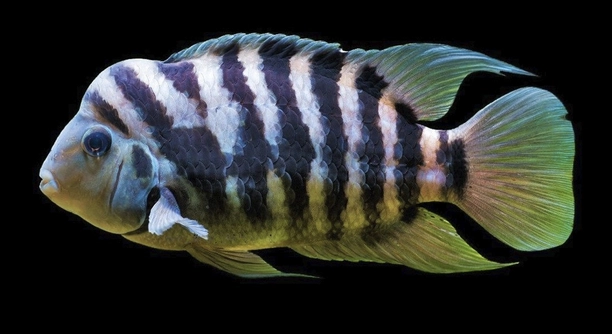
Are your cichlid tanks often clouded by persistent algae growth? Maintaining a clean aquarium can be challenging, especially when algae take over. Many hobbyists struggle to keep their tanks clear while providing a healthy environment for their fish.
Keeping cichlid tanks algae-free involves a combination of proper lighting, regular water changes, controlled feeding, and adequate filtration. Balancing these factors reduces excess nutrients that fuel algae growth, supporting a cleaner and healthier aquatic environment.
Learning simple but effective methods can greatly improve your tank’s condition. These strategies will help you enjoy a clearer, more vibrant home for your cichlids.
Control Lighting to Limit Algae Growth
Lighting plays a crucial role in managing algae in cichlid tanks. Too much light encourages algae to grow quickly, turning the tank green and cloudy. It is important to balance the amount and duration of light your aquarium receives daily. Most cichlid tanks do well with about 8 to 10 hours of light each day. Using a timer can help maintain a consistent schedule. Avoid placing the tank where it will get direct sunlight, as this can increase algae growth. Proper lighting supports plant health and fish activity without promoting excess algae.
Limiting light to the right amount can reduce algae growth significantly. Adjusting this simple factor is an easy way to keep your tank cleaner and healthier.
By managing lighting carefully, you reduce the energy algae use to multiply. Using LED lights designed for aquariums also helps, as they emit the correct spectrum without excess heat. Consistent lighting schedules prevent algae from gaining an advantage, keeping your cichlid tank clearer over time.
Regular Water Changes and Filtration
Regular water changes remove waste and excess nutrients that feed algae. Changing about 20% of the water weekly is a good practice. This helps reduce nitrate and phosphate levels, which algae thrive on. Clean water supports fish health and keeps the tank environment balanced. Using a quality filter that runs continuously helps remove particles and keeps the water clear. Filters with biological media promote beneficial bacteria that break down harmful substances. Proper maintenance of your filter, including cleaning or replacing media as needed, is essential to its effectiveness.
Effective water changes and filtration improve water quality, which is key to preventing algae build-up.
Regular maintenance prevents the accumulation of nutrients that promote algae growth. Keeping the tank clean supports the natural balance, helping beneficial bacteria thrive. These bacteria break down fish waste, reducing the materials algae need to grow. Consistent filtration and water changes also prevent fish stress and disease. By sticking to this routine, the aquarium stays stable, healthy, and visually appealing. Proper care creates an environment where cichlids can flourish and algae remain controlled.
Feed Your Cichlids Properly
Overfeeding adds excess nutrients to the water, fueling algae growth. Feeding small amounts once or twice daily helps prevent leftover food. Remove uneaten food promptly to keep the tank clean.
Feeding the right amount ensures your cichlids get proper nutrition without polluting the tank. Excess food breaks down and releases nutrients like nitrogen and phosphorus, which algae use to multiply rapidly. Measuring food portions and observing fish behavior can prevent overfeeding. Different species have varying dietary needs, so adjust the amount accordingly. Avoid feeding flakes or pellets that dissolve quickly and cloud the water. Feeding in moderation supports a balanced ecosystem and reduces the chance of algae problems.
Maintaining a consistent feeding routine also promotes healthier fish. Proper feeding reduces waste, which improves water quality and helps your filtration system work more effectively. Overfeeding often leads to poor water conditions, stressing your fish and encouraging algae growth. Keeping feeding under control is one of the simplest ways to maintain a clean tank.
Use Live Plants to Compete with Algae
Live plants consume nutrients that algae need, reducing algae growth in your tank. They also provide shelter for cichlids and improve oxygen levels in the water. Selecting fast-growing species helps outcompete algae effectively.
In addition to competing for nutrients, live plants contribute to a more natural and balanced aquarium environment. They absorb nitrates and phosphates, key components that fuel algae blooms. Strong root systems stabilize substrate and prevent debris buildup, further improving water quality. Plants like Anubias, Java fern, and Amazon sword are popular choices for cichlid tanks due to their durability. Introducing plants also creates hiding spots, reducing fish stress and aggression. Maintaining healthy plants requires proper lighting, nutrients, and occasional trimming. Healthy plants keep the tank visually appealing and support overall aquatic health, making them a practical tool against algae growth.
Maintain Proper Tank Cleanliness
Regular cleaning prevents algae buildup on surfaces and decorations. Wiping the glass and removing debris from substrate helps keep the environment healthy.
Using tools like algae scrapers or magnetic cleaners makes this task easier. Consistent maintenance keeps the tank looking clear and reduces algae chances.
Avoid Overcrowding
Too many fish increase waste and nutrient levels, encouraging algae growth. Keeping a balanced number of cichlids helps maintain water quality.
Overcrowding stresses fish and leads to poor filtration efficiency. Monitoring tank capacity supports a stable environment with less algae.
Use Chemical Treatments Carefully
Chemical algae treatments can reduce algae but should be used sparingly. Overuse may harm fish or plants.
Follow instructions closely when applying treatments and consider them only after other methods have been tried.
FAQ
How often should I clean my cichlid tank to prevent algae?
Cleaning frequency depends on tank size, stocking levels, and maintenance habits. Generally, wiping algae off the glass weekly and performing partial water changes every 7 to 10 days is recommended. Regular removal of uneaten food and debris will also help keep algae under control. More frequent cleaning may be needed if algae growth is persistent.
Can I use algae-eating fish or snails to control algae in my cichlid tank?
Some algae-eating species can help reduce algae, but compatibility with cichlids is important. Many cichlids are aggressive and may attack or eat smaller algae-eaters. Snails like Nerites are often safe options and can help clean surfaces. Always research species compatibility before adding them to your tank.
Why does algae keep coming back even after cleaning?
Algae growth is driven by excess nutrients, light, and organic waste. If underlying conditions are not controlled, algae will return quickly. Overfeeding, too much light, or poor filtration are common causes. Consistent maintenance and balancing these factors are necessary to prevent recurrence.
Is it harmful to cichlids if some algae remains in the tank?
A small amount of algae is usually harmless and can even provide some grazing for fish. However, excessive algae can reduce water quality by altering oxygen levels and competing for nutrients. It can also make the tank look unattractive and stress fish by covering hiding places.
How can I reduce algae without harming my plants?
Limiting light exposure and controlling nutrient levels are key. Avoid chemical treatments that are toxic to plants unless they are labeled safe. Using fast-growing live plants helps outcompete algae naturally. Regular water changes and proper filtration support plant health and reduce algae nutrients.
Can algae problems be fixed quickly?
Algae control is usually gradual. Quick fixes like chemical treatments may provide temporary relief but do not solve root causes. Long-term success depends on maintaining balanced tank conditions through proper feeding, lighting, cleaning, and filtration.
What type of lighting is best to reduce algae growth?
Full-spectrum LED lights designed for aquariums provide the best balance for plants and fish. Avoid high-intensity lighting or leaving lights on for more than 10 hours daily. Using timers ensures consistent, controlled lighting periods that limit algae growth.
Should I test my water to control algae?
Yes, testing water parameters like nitrate, phosphate, and pH helps identify nutrient imbalances fueling algae. Keeping nitrates below 20 ppm and phosphates as low as possible reduces algae chances. Regular testing guides adjustments in maintenance routines.
Can algae affect the health of my cichlids?
Excessive algae can reduce oxygen levels at night and create unstable water conditions. This stresses fish, making them more susceptible to disease. Keeping algae in check helps maintain a healthy environment for cichlids.
Are there natural remedies to fight algae?
Some hobbyists use natural options like adding floating plants or Indian almond leaves, which release tannins that can inhibit algae. However, these methods work best combined with good tank maintenance and proper lighting.
How important is the filtration system in algae control?
Filtration is critical in removing waste and excess nutrients that algae feed on. A strong, well-maintained filter supports beneficial bacteria that break down harmful substances. Choosing the right filter for your tank size and cleaning it regularly keeps the water clear and balanced.
Can I prevent algae by changing the water more often?
Frequent partial water changes dilute nutrient buildup, limiting algae growth. Changing about 20% weekly is generally effective. Overdoing water changes can stress fish, so balance is key.
What signs show algae is out of control?
Green water, slimy surfaces, cloudy water, and visible mats of algae on decorations indicate excessive growth. Algae overgrowth can also lead to foul odors and stressed fish behavior. Immediate action is needed if these signs appear.
Maintaining an algae-free cichlid tank requires attention to several important factors. Consistent care and balance are essential. Controlling lighting, managing feeding, and performing regular water changes all contribute to reducing algae growth. These steps help create an environment where both the fish and plants can thrive. It is important to understand that algae are a natural part of any aquarium, but keeping it under control makes the tank healthier and more enjoyable to look at.
Proper filtration and tank cleanliness play a major role in preventing algae buildup. A good filter removes waste and excess nutrients that algae need to grow. Cleaning the tank surfaces regularly removes algae before it spreads. It is also helpful to include live plants, which compete with algae for nutrients and improve water quality. Combining these methods gives the best results. Overcrowding the tank or overfeeding the fish can increase algae problems, so keeping the right number of fish and feeding appropriate amounts is necessary.
Patience is key when managing algae in a cichlid tank. Changes may not happen overnight, but consistent effort will bring improvements. Avoid relying too much on chemical treatments, as they can harm fish and plants. Instead, focus on maintaining balance in the tank’s ecosystem. By following these basic practices, you can enjoy a clearer, healthier aquarium. Taking care of the details ensures your cichlids live in a stable environment free from excessive algae growth.

Hello,
If you enjoy the content that we create, please consider saying a "Thank You!" by leaving a tip.
Every little bit helps us continue crafting quality advice that supports the health, happiness, and well-being of pets around the world, for pets of all shapes, sizes, and species.
We really appreciate the kindness and support that you show us!