
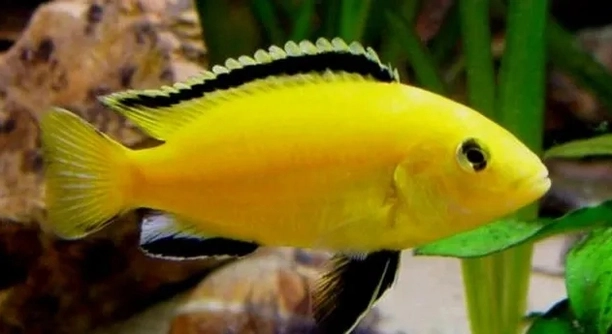
Many fish owners notice their African cichlid pacing back and forth along the glass of the tank. This behavior can be confusing and sometimes worrying. Understanding why it happens is important for a healthy aquarium environment.
African cichlids pace the glass primarily due to stress, territorial behavior, or environmental discomfort. These fish are highly active and territorial, so pacing often indicates they are reacting to perceived threats or are unstimulated in their habitat.
Recognizing the reasons behind this pacing can help you improve your fish’s well-being and create a more balanced tank environment.
Common Causes of Pacing in African Cichlids
Pacing in African cichlids usually signals something is off in their environment. These fish are naturally territorial and need plenty of space to establish their own areas. When tanks are too small or overcrowded, cichlids feel stressed and may pace the glass. Another reason is lack of stimulation. These fish are active and curious, so a barren tank with no hiding spots or decorations can lead to boredom. Changes in water quality or temperature also cause discomfort, prompting this behavior. Sometimes pacing shows aggression towards other fish or reflections they see in the glass. It’s important to observe your tank setup closely and make adjustments if needed to reduce pacing and improve your cichlid’s comfort.
Pacing often indicates stress or territorial behavior linked to the fish’s environment or tank mates. Proper care can reduce this.
Adjusting the tank by adding rocks, plants, and sufficient space helps keep African cichlids happy. Regular water tests and stable temperatures reduce stress. Observing their interactions with other fish can prevent aggressive pacing. If reflections cause the behavior, covering part of the tank glass or rearranging the lighting may help. Creating a more natural environment that meets their needs can stop pacing and improve their overall health and activity levels.
How Tank Size Affects Pacing
A small tank limits your cichlid’s movement and can lead to pacing. These fish need room to swim and claim territory.
In a cramped tank, cichlids feel trapped and stressed. This restriction makes them swim along the glass repeatedly. Overcrowding worsens the problem because fish compete for space and resources. The lack of personal space triggers pacing as a sign of frustration or anxiety. Providing a larger tank gives them room to explore, establish territories, and reduces stress-related pacing. The minimum recommended size for most African cichlids is 30 gallons, but bigger is better, especially for multiple fish.
Tank decorations and hiding spots also matter. If the tank is empty or poorly arranged, pacing might increase. Rocks, caves, and plants break the line of sight and make fish feel secure. This setup reduces pacing by giving your cichlid places to retreat and less exposure to reflections or tank mates they find stressful.
Signs of Stress in African Cichlids
Stress in cichlids shows in more than just pacing. Watch for color fading, loss of appetite, or hiding.
Stress weakens their immune system and makes them prone to disease. Pacing can be an early sign, so it’s important to check water parameters regularly. High ammonia, nitrite, or nitrate levels, as well as incorrect pH or temperature, cause discomfort and stress. Sudden changes in the environment or aggressive tank mates also trigger stress responses. By maintaining clean water, stable conditions, and a peaceful community, pacing and other stress behaviors can be minimized, keeping your fish healthier and more active.
Tank Mates and Pacing
Aggressive or incompatible tank mates can cause your cichlid to pace the glass. This behavior shows territorial defense or stress from bullying.
Choosing peaceful and compatible fish reduces conflict. Overcrowding only makes the situation worse, leading to more pacing and tension in the tank.
The Role of Reflections
Reflections in the tank glass can confuse cichlids. They may see their own image and mistake it for a rival fish. This triggers pacing as they try to confront or chase the reflection.
Reducing light glare or covering parts of the tank glass can minimize reflections and calm your fish.
Environmental Enrichment
Adding rocks, caves, and plants offers hiding spots and mental stimulation. These elements encourage natural behavior and reduce pacing caused by boredom or stress.
Creating a varied environment helps keep your African cichlid active and comfortable.
FAQ
Why does my African cichlid pace only at certain times?
African cichlids may pace more during feeding times or when there is activity outside the tank. This behavior can be linked to excitement, anticipation, or reacting to perceived threats. Changes in light or noise near the tank can also trigger pacing.
Is pacing always a sign of stress?
Not always. Sometimes pacing is part of normal territorial behavior or exercise. However, if pacing is constant or paired with other signs like loss of appetite or color changes, it usually indicates stress or discomfort.
Can pacing damage my cichlid?
Repeated pacing can cause physical harm over time, such as fin wear or injury from hitting the glass. It also signals that your fish is stressed, which may affect its overall health. It’s best to address pacing early.
How can I reduce pacing caused by reflections?
Covering part of the tank glass or adjusting the room’s lighting can reduce reflections. Adding plants or decorations to break up reflective surfaces inside the tank also helps calm your fish.
What tank size is best to prevent pacing?
A minimum of 30 gallons is recommended for a single African cichlid, but larger tanks work better, especially with multiple fish. More space helps reduce stress and gives your cichlid room to establish territory.
Can changing tank mates stop pacing?
Yes. Aggressive or incompatible tank mates can cause stress and pacing. Selecting peaceful fish that get along with African cichlids can lower aggression and reduce pacing behavior.
How often should I check water quality?
Water quality should be checked at least once a week. High ammonia, nitrites, or nitrates cause stress and pacing. Regular testing and water changes keep the environment stable and healthy for your fish.
Will adding hiding spots help?
Definitely. Rocks, caves, and plants provide places for your cichlid to feel safe. This reduces stress and pacing by allowing the fish to retreat when needed.
Is pacing more common in certain cichlid species?
Some African cichlid species are more territorial and active, which can increase pacing. Species like Mbuna are known for strong territorial behavior, making pacing more likely without proper tank setup.
Can diet affect pacing?
A poor diet can weaken your fish, causing stress and pacing. Feeding a balanced diet tailored for African cichlids supports health and reduces stress-related behaviors.
Should I isolate a pacing cichlid?
Isolation might reduce stress if pacing is caused by tank mate aggression. However, African cichlids are social to some extent, so completely isolating them isn’t always ideal. Monitor behavior carefully.
How long does it take to stop pacing?
Improving the environment can reduce pacing within days to weeks. Consistent care, proper tank size, and suitable tank mates speed up recovery. Patience is important.
Can stress from pacing cause illness?
Yes, chronic stress weakens the immune system and makes your fish vulnerable to diseases like ich or fin rot. Reducing pacing and stress is key to keeping your cichlid healthy.
Is pacing worse in new tanks?
New tanks can cause pacing due to unfamiliar surroundings or unstable water conditions. It often decreases once the fish adapts and the tank stabilizes.
Are there signs that pacing is due to illness?
If pacing comes with lethargy, loss of appetite, clamped fins, or unusual spots, illness might be the cause. In such cases, consulting a vet or fish expert is recommended.
Can temperature changes cause pacing?
Yes, African cichlids prefer stable water temperatures. Sudden drops or spikes can stress them, leading to pacing and other behavior changes. Keep the temperature steady between 75–82°F.
How important is lighting for pacing?
Bright or inconsistent lighting can cause reflections and stress. Soft, consistent lighting with a regular day-night cycle helps reduce pacing and supports natural behavior.
Does pacing mean my cichlid is unhappy?
Often, pacing signals that your fish is uncomfortable or stressed. Adjusting their environment and care routine usually improves their mood and reduces pacing.
Are there other behaviors linked to pacing?
Yes, pacing may be accompanied by aggression, fin nipping, or hiding. These behaviors usually show the fish is stressed or not well suited to its environment.
Can I train my cichlid to stop pacing?
Training is limited, but increasing stimulation with toys or environmental enrichment can distract the fish and reduce pacing.
What should I do if pacing persists despite changes?
If pacing continues, review your tank setup, water quality, and fish health carefully. Sometimes professional advice from an aquarium specialist is needed to find the cause and solution.
African cichlids pacing the glass is a behavior many fish owners notice and wonder about. This pacing usually means the fish is experiencing some level of stress or discomfort. It can come from several factors like a tank that is too small, poor water quality, or aggressive tank mates. Understanding these reasons helps in making the right changes to the fish’s environment. Taking care to provide enough space, clean water, and peaceful companions is key to keeping cichlids calm and healthy. When their needs are met, pacing often decreases or stops altogether.
It is important to remember that African cichlids are active and territorial fish by nature. They need room to swim and places to hide, like rocks and plants, to feel secure. Without these, they can become bored or anxious, which can lead to pacing behavior. Reflections on the glass or sudden changes in light and noise may also cause pacing. Small adjustments like covering part of the tank glass or reducing bright lights can help. Watching your fish closely and noting when pacing happens is helpful for finding what might be causing stress.
Finally, pacing is often a signal from your fish that something could be improved in its care or environment. It should never be ignored because ongoing stress can harm your cichlid’s health over time. Regular water testing, proper feeding, and thoughtful tank setup all contribute to a better home for your fish. If pacing continues despite your efforts, it may be helpful to consult an expert or experienced hobbyist for advice. Taking these steps helps your African cichlid live a longer, happier life with less stress and more natural behavior.

Hello,
If you enjoy the content that we create, please consider saying a "Thank You!" by leaving a tip.
Every little bit helps us continue crafting quality advice that supports the health, happiness, and well-being of pets around the world, for pets of all shapes, sizes, and species.
We really appreciate the kindness and support that you show us!