
Many fish enthusiasts enjoy watching their cichlids grow and behave naturally in the tank. Knowing when your cichlid is ready for mating helps ensure a healthy and successful breeding process. Recognizing the signs can improve your care and preparation.
Cichlids show specific physical and behavioral changes when they are ready to mate. These include changes in coloration, increased aggression, nest-building activity, and specific swimming patterns. Identifying these signs is essential for managing their breeding environment properly.
Understanding these indicators can help you support your cichlid’s needs and create the best conditions for mating success. The following guide highlights key signs to watch for.
Changes in Coloration
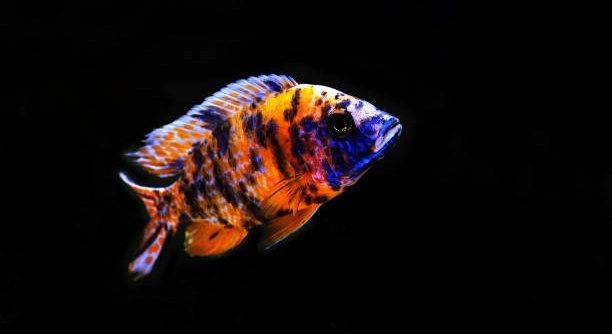
One of the first signs that your cichlid is ready to mate is a change in its coloration. When preparing to breed, many cichlids develop brighter and more vivid colors compared to their usual appearance. This color shift is a natural signal used to attract a mate and show readiness. You may notice the fish’s fins and body becoming more intense in color, sometimes even displaying new patterns. These changes can also help distinguish males from females, as males often show more dramatic color variations. Keep in mind that stress or poor water conditions can dull their colors, so maintaining a clean, stable environment is crucial. Observing these color changes closely can give you a clear idea of when mating behavior might soon begin.
Bright and vivid coloration signals that your cichlid is likely preparing to mate and attract a partner.
Watching your cichlid’s color changes closely allows you to anticipate breeding activity. Ensuring optimal tank conditions will support these natural shifts, making it easier to manage and encourage mating behavior. Color is a reliable visual cue you can use to track their readiness without interfering with their environment.
Nest-Building and Territorial Behavior
When cichlids are ready to mate, they often start building nests or preparing a specific area in the tank. This behavior is a clear indication they are setting up a safe place for eggs and fry. You might see them digging in the substrate, moving small stones, or cleaning flat surfaces like rocks or glass. These actions create a suitable spot for laying eggs and protecting their young. Along with nest-building, territorial behavior increases. Your cichlid may become more aggressive or defensive, especially near the chosen nesting site. This is normal and shows their commitment to guarding the area. It’s important to give them enough space and avoid disturbing their territory during this time, as stress can disrupt the mating process.
Nest-building and increased territorial actions clearly indicate your cichlid’s readiness for breeding.
Cichlids instinctively prepare and defend nesting sites to protect their future offspring. This behavior can be quite intense, with increased aggression and activity around the chosen spot. Providing plenty of hiding places and separating overly aggressive tank mates will help reduce stress. Careful observation during this phase allows you to support their natural instincts, improving chances of successful mating and egg survival. Respecting their space is key to maintaining a calm environment that encourages reproductive behaviors to continue without interruption.
Increased Aggression
Cichlids often become more aggressive when ready to mate. This behavior helps protect their territory and signals readiness to other fish. Aggression can include chasing, biting, and displaying fins.
This aggression is a natural part of their breeding behavior. Males tend to show more aggression to ward off rivals and secure a nesting area. Females might also defend the nest once eggs are laid. It’s important to monitor tank mates carefully during this time, as fights can escalate quickly. Providing plenty of hiding spots can reduce stress and injury in the tank.
Aggression also helps establish dominance among males, which influences breeding success. Watching these behaviors closely can guide decisions about separating fish or adjusting tank setups. Proper management during this period ensures a safer environment for both breeding pairs and other fish in the aquarium.
Specific Swimming Patterns
Cichlids exhibit distinct swimming patterns when ready to mate, such as circling each other or performing a slow, deliberate swim near the nest. These actions are part of courtship and communication.
During courtship, the male may swim alongside the female in a gentle, rhythmic way to gain her attention. The female might respond with similar movements or by staying close to the nesting site. These swimming patterns help synchronize mating behavior and readiness for egg laying.
Recognizing these movements can provide clear clues about the breeding phase and help you prepare the tank for egg care. It’s important to minimize disturbances during this time, as interruptions can cause the fish to stop courting and delay mating. Observing these patterns closely improves your ability to support successful breeding.
Mouthbrooding Behavior
Some cichlids show mouthbrooding when ready to mate. They carry eggs or fry in their mouths to protect them. This behavior signals that breeding has progressed and parental care is underway.
Mouthbrooding parents may eat less and stay hidden to guard their young. This instinct helps improve survival rates by keeping offspring safe from predators or tank mates.
Increased Feeding Activity
Cichlids often eat more before and during mating. Increased feeding helps them build energy for spawning and caring for eggs or fry. Providing a nutritious diet supports their reproductive health and success.
Pair Bonding
Mating cichlids form stronger bonds and spend more time close together. This behavior helps coordinate breeding activities and care for offspring.
How can I tell if my cichlid is male or female before mating?
Determining the sex of your cichlid before mating can sometimes be challenging, but there are a few clear signs to look for. Males generally have brighter and more vivid colors, especially during breeding seasons, and larger fins compared to females. Females tend to be smaller and less colorful. In some species, males develop specific physical traits like a nuchal hump or extended dorsal fins. Behaviorally, males are usually more territorial and aggressive. If you observe your cichlids closely, these differences become easier to spot over time, helping you prepare for mating.
What tank conditions encourage successful cichlid mating?
Proper tank conditions are crucial for encouraging cichlids to mate. Stable water parameters, including temperature, pH, and cleanliness, create an environment where fish feel safe and comfortable. Most cichlids prefer slightly alkaline water with temperatures between 75-82°F (24-28°C). Regular water changes and good filtration reduce stress and keep the water clear. Providing hiding spots and suitable substrates for nesting supports natural breeding behavior. Lighting should mimic a natural day-night cycle, avoiding sudden changes. Maintaining these conditions helps your cichlids focus on mating rather than coping with stress.
How long does cichlid mating and spawning usually take?
Cichlid mating and spawning can vary depending on the species, but the process generally lasts from a few hours to a couple of days. Courtship begins with displays and behaviors such as color changes and nest preparation. Actual egg laying and fertilization often happen quickly once the pair is ready. After spawning, parents guard and tend to the eggs, which usually hatch within three to seven days. Fry may stay close to their parents for weeks, especially in species that show parental care. Patience during this time is key.
What should I do if my cichlids become too aggressive during mating?
Aggression is normal during mating, but it can sometimes become harmful. If aggression escalates, consider separating overly aggressive fish temporarily to prevent injury. Adding more hiding spots and rearranging tank decorations can reduce territorial disputes by breaking sight lines. Make sure the tank is not overcrowded, as limited space increases stress. Monitor the fish closely, and intervene if injuries occur. In some cases, increasing the tank size or providing a breeding tank can help manage aggressive behavior while still allowing natural mating.
How can I care for cichlid eggs and fry?
Caring for cichlid eggs and fry requires attention to water quality and safety. Keep the water clean and stable, as poor conditions can harm eggs and young fish. Some species carry eggs or fry in their mouths, so avoid disturbing the parents during this time. If parents show signs of eating the eggs or fry, you may need to remove them to a separate tank. Feeding fry small, nutritious foods like crushed flakes or baby brine shrimp supports their growth. Maintaining gentle water flow and avoiding sudden changes helps young fish thrive.
Can cichlids breed in community tanks?
Cichlids can breed in community tanks, but it depends on the species and tank setup. Aggressive species might harm other fish or have their eggs eaten. Smaller or more passive cichlids may struggle to protect their young in a busy tank. Providing plenty of hiding spots and separate breeding areas can improve chances. However, breeding in a dedicated tank often leads to higher survival rates for eggs and fry. Assess your tank mates and environment carefully before expecting successful breeding in a community setup.
What are the common signs that cichlid eggs are fertile?
Fertile cichlid eggs usually appear clear or slightly opaque with a visible embryo inside. They are round and firm, often sticking to the nesting surface or the parent’s mouth if mouthbrooding. Infertile eggs turn white or cloudy and may become fungus-covered. Monitoring eggs closely helps detect problems early. Removing infertile eggs can prevent fungus from spreading and protect healthy ones. Healthy eggs show slight movement or development after a few days, signaling successful fertilization.
Is it necessary to separate mating cichlids from other fish?
Separating mating cichlids from other fish is often recommended to reduce stress and protect eggs and fry. Other fish may eat eggs or fry, or provoke aggression. A separate breeding tank provides a controlled environment with ideal conditions for breeding and raising young. It also reduces territorial disputes and allows you to observe the mating process more closely. If separation isn’t possible, provide plenty of hiding places and monitor interactions carefully to support successful mating and protect vulnerable offspring.
Understanding when your cichlid is ready for mating is an important part of caring for these fish. Recognizing the signs, such as changes in color, behavior, and swimming patterns, helps create the right environment for successful breeding. Paying attention to these natural signals allows you to prepare your tank and provide the care your cichlids need during this sensitive time. When you spot these signs, it’s a good idea to check water quality and tank conditions to ensure everything supports healthy mating and egg development.
Mating can bring changes in your cichlid’s behavior, including increased aggression and territorial actions. These behaviors are normal but require attention to keep the tank peaceful and safe. Providing hiding spots and enough space can reduce stress for all fish. If aggression becomes too strong, separating certain fish may be necessary to avoid injury. Keeping an eye on their interactions helps prevent problems and encourages a calm environment where mating can proceed without disruption.
Caring for cichlid eggs and fry takes patience and careful observation. Whether your fish are mouthbrooders or nest builders, supporting their natural habits will improve survival rates. Clean water, proper feeding, and minimal disturbances are key to raising healthy young fish. Knowing the signs of readiness and understanding what to expect throughout the process can make breeding a rewarding experience. Taking time to learn and respond to your cichlids’ needs ensures they thrive and continue to display their unique behaviors in your aquarium.

Hello,
If you enjoy the content that we create, please consider saying a "Thank You!" by leaving a tip.
Every little bit helps us continue crafting quality advice that supports the health, happiness, and well-being of pets around the world, for pets of all shapes, sizes, and species.
We really appreciate the kindness and support that you show us!