
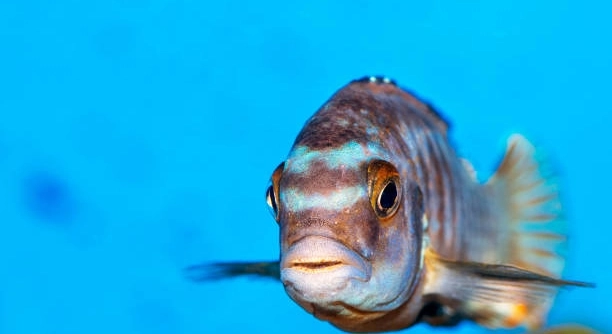
Cichlids are popular aquarium fish known for their vibrant colors and active behavior. Many fish keepers want to provide a varied diet that supports their health. Vegetables often come up as a possible supplement to their meals.
Feeding cichlids vegetables can be safe when done properly, considering the type and preparation of the vegetables. Certain vegetables provide essential nutrients and fiber, but they should be introduced gradually and in moderation to avoid digestive issues or water quality problems.
Understanding which vegetables benefit your cichlids and how to prepare them correctly can improve their diet and overall well-being. This article will guide you through safe vegetable options and feeding tips for your fish.
Why Vegetables Matter in a Cichlid Diet
Vegetables provide important nutrients like fiber, vitamins, and minerals that contribute to cichlids’ overall health. While these fish are primarily carnivorous or omnivorous, adding vegetables helps balance their diet. Fiber aids digestion and keeps their digestive system functioning smoothly. Some common vegetables used in cichlid feeding include spinach, peas, zucchini, and cucumber. These should be washed thoroughly and often blanched or softened before feeding to make them easier to digest. Offering vegetables occasionally rather than daily prevents overfeeding and reduces the risk of water contamination. Fresh vegetables can also encourage natural foraging behaviors, which keeps the fish active and engaged. It’s important to monitor how your cichlids respond, as some species may prefer certain vegetables over others. Always remove uneaten vegetables promptly to maintain clean tank conditions.
A balanced diet with the right vegetables supports immune function and growth in cichlids.
Including vegetables thoughtfully improves your fish’s quality of life and helps prevent dietary deficiencies.
Best Vegetables to Feed Cichlids
Some vegetables are better suited for cichlids due to their nutritional content and digestibility. Peas are highly recommended because they help prevent constipation and are easy for fish to digest once shelled and softened. Zucchini and cucumber are mild and contain mostly water, which hydrates the fish. Spinach and kale offer iron and vitamins but should be given sparingly because they can affect water quality if overfed. Blanching vegetables softens them, making them easier to eat and digest. It’s also important to cut vegetables into small pieces that fit the fish’s mouth size. Avoid starchy or hard vegetables like raw potatoes, which may be harmful. Always introduce new vegetables slowly to observe how your cichlids react, and remove leftovers promptly.
Vegetables like peas, zucchini, and spinach provide essential nutrients without overwhelming the tank environment.
Preparing vegetables properly ensures they are safe and beneficial additions to your cichlids’ diet.
Preparing Vegetables for Cichlids
Proper preparation of vegetables is key to ensuring they are safe and digestible for cichlids. Always wash vegetables thoroughly to remove pesticides or dirt.
Blanching vegetables softens them and makes digestion easier for your fish. To blanch, briefly boil the vegetables for one to two minutes, then cool them quickly in cold water. This process breaks down tough fibers and helps release nutrients. After blanching, cut the vegetables into small, manageable pieces appropriate for your cichlids’ mouth size. This helps prevent choking or wasted food sinking to the tank bottom. Avoid seasoning or adding oils, as these can harm your fish.
Freezing vegetables briefly before feeding can also help kill parasites or bacteria. Once prepared, offer vegetables in small amounts to observe how your fish react. Remove any uneaten pieces promptly to maintain tank cleanliness and water quality.
Signs Your Cichlids Are Ready for Vegetables
Cichlids may show interest in vegetables by nibbling or following the food closely. Some species are more receptive to plant matter than others. Look for active feeding behavior and healthy digestion as positive signs. If your fish consistently ignore vegetables, try different types or preparation methods.
Introducing vegetables slowly helps monitor tolerance and prevents digestive upset. Watch for signs like bloating, unusual feces, or lethargy, which can indicate dietary issues. Adjust the amount or type of vegetable if needed. Over time, many cichlids adapt and benefit from the added fiber and nutrients.
Keep in mind that each cichlid species has unique dietary preferences. Research specific needs to provide the best feeding plan tailored to your fish. Observing behavior and health will guide you in balancing their diet effectively.
Common Mistakes When Feeding Vegetables
Overfeeding vegetables can cause water quality issues, leading to algae growth and tank imbalance. Always offer small portions and remove leftovers promptly. Avoid giving raw or hard vegetables that cichlids cannot digest well.
Introducing new vegetables too quickly can upset digestion. Gradual introduction helps fish adapt and prevents digestive problems.
Monitoring Your Cichlids’ Health
Regular observation helps ensure vegetables benefit your cichlids. Watch for changes in behavior, appetite, or appearance. Healthy cichlids will be active, vibrant, and eat their food with interest. Any signs of bloating or lethargy may indicate dietary issues that require adjustment.
Storage Tips for Vegetables
Keep vegetables fresh by storing them in the refrigerator in airtight containers. Use them within a few days to prevent spoilage and loss of nutrients.
Alternatives to Vegetables
If vegetables aren’t accepted, consider offering algae wafers or spirulina-based foods to provide similar nutrients and fiber for your cichlids.
FAQ
Can all cichlids eat vegetables?
Not all cichlid species will readily eat vegetables, as their diets vary. Some are primarily carnivorous and may show little interest in plant matter, while others are omnivorous and benefit from vegetables as part of their diet. It’s important to research your specific cichlid species to understand their natural eating habits and preferences before introducing vegetables. For omnivorous species, vegetables can provide essential nutrients and improve digestion. Carnivorous species may only accept small amounts or none at all, so alternative feeding options might be necessary.
How often should I feed vegetables to my cichlids?
Vegetables should be offered in moderation, typically once or twice a week, depending on your fish’s species and size. Overfeeding vegetables can lead to water quality problems and digestive upset. A small portion that your fish can consume within a few minutes is ideal. It’s better to feed vegetables as a supplement rather than the main diet. Rotating different types of vegetables can help provide a range of nutrients while keeping your cichlids interested.
What vegetables are safest for cichlids?
Peas, zucchini, cucumber, spinach, and kale are commonly recommended vegetables. Peas are especially good for relieving constipation. Zucchini and cucumber are mostly water and easy to digest. Spinach and kale are nutrient-rich but should be fed sparingly due to their potential impact on water quality. Avoid starchy vegetables like potatoes or corn, which can be difficult to digest and may harm your fish.
Should vegetables be cooked before feeding?
Yes, most vegetables should be blanched or softened before feeding. Cooking briefly in boiling water and then cooling them down helps break down tough fibers, making vegetables easier for cichlids to digest. Raw vegetables can be too hard and cause digestive problems. Avoid seasoning or adding oils during preparation, as these additives can harm your fish.
Can feeding too many vegetables harm my cichlids?
Yes, excessive vegetables can cause digestive issues like bloating and constipation. Uneaten vegetables can decompose and pollute the tank, leading to harmful ammonia spikes and algae growth. Always feed in small amounts, remove leftovers, and monitor your fish’s health to avoid problems.
How do I know if my cichlids like vegetables?
Signs that your cichlids enjoy vegetables include active nibbling and returning to the vegetable pieces repeatedly. Healthy digestion and regular bowel movements also indicate vegetables are well-tolerated. If your fish ignore the vegetables or show signs of stress or bloating, try different vegetables or preparation methods.
Can baby cichlids eat vegetables?
Young cichlids may find it harder to digest vegetables because their digestive systems are still developing. It’s usually best to wait until they are juveniles before introducing vegetables gradually. Start with finely chopped or mashed vegetables to make feeding easier.
Are frozen vegetables safe for cichlids?
Frozen vegetables are safe if properly thawed and prepared. Freezing can help kill parasites or bacteria, but always rinse and soften vegetables after thawing. Avoid feeding vegetables that have been frozen with additives or seasoning.
Can vegetables replace protein in a cichlid’s diet?
No, vegetables cannot replace protein, which is essential for cichlid growth and health. Vegetables serve as a supplement to provide fiber and vitamins but should not be the main food source. High-quality protein from pellets, live, or frozen foods is necessary.
How should I introduce vegetables to my cichlids?
Introduce vegetables slowly by offering small amounts a few times a week. Observe how your fish react and adjust the quantity or type if needed. Gradual introduction prevents digestive upset and helps fish get used to new foods.
Is it necessary to remove uneaten vegetables from the tank?
Yes, uneaten vegetables should be removed quickly to prevent water contamination. Decaying food produces harmful substances like ammonia, which can stress or harm your fish and promote algae growth.
Can feeding vegetables improve cichlids’ color?
Certain vegetables with natural pigments, like spinach or kale, may enhance coloration over time. However, diet alone is not the only factor influencing color; tank conditions and genetics also play important roles.
What if my cichlids refuse vegetables?
If your cichlids consistently reject vegetables, try different types or preparation methods, such as blanching or finely chopping. If they still show no interest, focus on high-quality protein sources and consider algae wafers or spirulina-based foods as alternatives.
Can I feed fruits to my cichlids?
Fruits are generally not recommended because they contain sugars that can harm water quality and upset fish digestion. Stick to vegetables and specialized fish foods for a safer diet.
Are canned vegetables safe for cichlids?
No, canned vegetables usually contain preservatives and added salt, which are harmful to fish. Always use fresh or properly frozen vegetables when feeding cichlids.
Vegetables can be a beneficial part of a cichlid’s diet when introduced carefully and in moderation. They offer important nutrients like fiber, vitamins, and minerals that support digestion and overall health. While cichlids primarily rely on protein from other sources, including vegetables adds variety and balance to their meals. It is important to choose appropriate vegetables such as peas, zucchini, or spinach, and prepare them properly by washing, blanching, and cutting them into small pieces. These steps make the vegetables easier for your fish to eat and digest, reducing the risk of digestive problems.
Feeding vegetables should always be done thoughtfully to avoid overfeeding and water quality issues. Uneaten vegetables can decay in the tank, causing ammonia spikes and algae growth, which negatively affect fish health. Offering small amounts once or twice a week is usually enough to provide benefits without overwhelming the aquarium environment. Watching how your cichlids respond to vegetables will help you adjust portions or types of vegetables. Some fish may take time to accept new foods, so patience and gradual introduction are important. If any signs of digestive upset appear, like bloating or unusual feces, reconsider the feeding routine.
Vegetables are not a replacement for a high-quality protein diet but rather a helpful supplement. Cichlids need a varied diet that includes animal protein for growth and vitality. If your fish do not accept vegetables well, consider alternatives like algae wafers or spirulina-based foods to provide similar nutrients. Keeping an eye on your fish’s behavior, appetite, and health ensures they receive proper nutrition. Proper feeding practices combined with good tank maintenance will contribute to a thriving and healthy cichlid aquarium.

Hello,
If you enjoy the content that we create, please consider saying a "Thank You!" by leaving a tip.
Every little bit helps us continue crafting quality advice that supports the health, happiness, and well-being of pets around the world, for pets of all shapes, sizes, and species.
We really appreciate the kindness and support that you show us!