
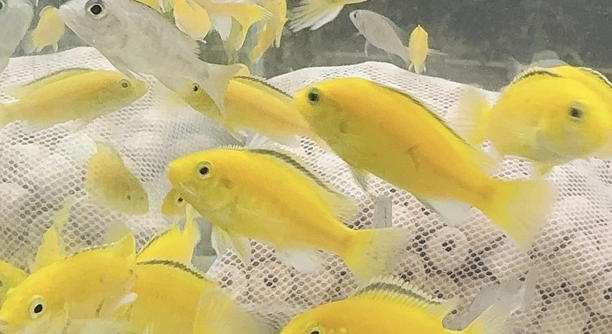
Do your African cichlids behave one way during the day but seem completely different at night when the lights go out?
African cichlids often display unique nighttime behaviors such as hiding, reduced movement, territorial shifts, and altered coloration. These changes are influenced by their natural instincts, environment, and need for rest or protection.
Understanding these nighttime habits can help you create a more comfortable and stress-free aquarium for your cichlids.
They Become Less Active and Hide More
At night, African cichlids usually become less active and tend to hide. This behavior is natural and helps them stay safe in the dark. In their natural habitats, predators are more active at night. Cichlids have adapted by staying still and seeking cover to avoid being seen. They may hide behind rocks, plants, or decorations in the tank. Their movements slow down, and they often rest in one spot. This quiet period allows their bodies to rest and conserve energy. It’s not unusual to find them tucked away in corners or behind tank structures for several hours.
During this time, they are not looking for food or interacting with tank mates.
Their hiding behavior at night can also indicate if they feel safe in their tank. If your cichlids don’t have enough hiding spots, they may become stressed. Adding caves, plants, or even rearranging rocks can help. These changes give them places to retreat and rest peacefully. Watching how your cichlids behave once the lights go off can tell you a lot about how comfortable they feel in their environment. If they remain out in the open, they might be feeling exposed or uncomfortable. A secure and well-decorated tank makes a big difference at night.
Their Colors May Change in the Dark
Some African cichlids change color slightly once the lights go out, and it’s usually not something to worry about.
This color change at night is part of their natural rhythm. Many species of cichlids lose some of their bright colors in the dark, becoming duller or more muted. It can help them stay hidden from predators, just like their tendency to be still and hide. For example, a brightly colored male may appear faded or pale when the lights are off. The change isn’t a sign of illness—it’s more like a built-in safety feature. When morning comes and light returns, their usual colors gradually come back. This change can also happen if they feel stressed, but if it only occurs at night and they seem healthy otherwise, it’s simply a nighttime behavior. Knowing this helps you understand what’s normal, so you don’t mistake it for a health issue or something wrong in your tank.
They May Become More Territorial in the Dark
Territorial behavior can increase at night, especially in smaller tanks. With limited light, cichlids rely more on instinct and may guard their space more aggressively, even chasing away tank mates that come too close.
This behavior often shows in subtle ways. A cichlid may hover around its usual territory more closely, blocking access to caves or corners it claims. You might not see active chasing in the dark, but if you notice torn fins or hiding fish in the morning, it could be due to increased nighttime aggression. This usually happens when there isn’t enough space or hiding spots in the tank. Adding more visual barriers like rocks or plants can reduce stress and create clear boundaries for each fish. The more structure in your tank, the easier it is for your cichlids to settle without conflict.
It’s helpful to observe how your fish behave just before lights go out. If one becomes restless or starts chasing others more, it may be preparing to guard its space overnight. This is more common in male cichlids during breeding season or when they’re trying to maintain dominance. Reducing bright lighting gradually instead of turning it off all at once can ease this transition and reduce aggressive triggers before night sets in.
They May Sleep in Unusual Positions
Cichlids sleep too, but it may not look like how you expect. Some lie near the bottom, while others stay suspended in the water. They don’t close their eyes, but their bodies rest, and movements slow down.
This behavior can be surprising if you’re new to keeping African cichlids. You might see one resting at a strange angle or staying completely still near a rock or plant. This can look concerning at first, but it’s usually just sleep. They don’t have eyelids, so their eyes stay open even when they’re resting. Their colors may also dull a bit more while they sleep. Each fish may have its own sleep spot or preferred position, depending on tank layout and tank mates. Unless the fish shows signs of illness or distress when active, odd sleep positions at night are a normal and harmless part of their routine.
Some Species Make Soft Noises at Night
Certain African cichlids produce faint clicking or grinding sounds after dark. These noises often come from jaw movement or rubbing against rocks, and they’re usually linked to territorial behavior or communication between fish.
You may not hear them unless the room is very quiet, but they’re a normal part of nighttime behavior.
They May Interact Less With Tank Mates
Nighttime often brings a pause in social behavior. African cichlids that are usually active or territorial during the day tend to become distant and withdrawn. They may stop chasing, flaring fins, or displaying dominance. This is part of their natural rest period. Some even retreat completely to hidden areas, avoiding all contact. Watching this shift in behavior helps you understand their rhythm and spot any changes that seem out of the ordinary. If they remain withdrawn during the day too, it might point to stress or illness. But at night, this change is simply part of how they recharge.
Lighting Can Influence Their Behavior
Bright or constant lighting can disturb your cichlids’ natural rest. Using a timer to mimic sunrise and sunset can support their natural sleep cycle.
FAQ
Do African cichlids sleep at night?
Yes, African cichlids do sleep at night. They don’t close their eyes since they don’t have eyelids, but they do enter a resting state. Their movements slow down, they become less active, and they often stay in one spot. Some lie near the bottom, while others float still in open water or near decorations. Sleep is important for their health, and a quiet, dark tank helps them rest properly. If they’re frequently disturbed by bright lights or loud noise, it can affect their sleep pattern and lead to stress over time.
Is it normal for cichlids to change color when the lights are off?
Yes, it’s completely normal. Many African cichlids lose some of their bright colors at night. This is a natural response to darkness and part of their defense mechanism. In the wild, duller colors help them avoid attracting predators when visibility is low. Once the lights return in the morning, their usual colors gradually come back. A faded or pale look at night doesn’t mean they are sick unless the color change continues into the daytime or is paired with other signs of stress or illness.
Should I leave the aquarium light on at night?
No, it’s better to turn off the aquarium light at night. African cichlids need darkness to rest properly. Constant lighting can cause stress, disrupt their sleep, and even lead to health issues over time. If you’re worried about seeing them or monitoring nighttime behavior, use a dim blue moonlight or install a timer. Timers help simulate a more natural day and night cycle. Leaving lights on overnight can also cause excess algae growth in the tank, which may affect water quality and make tank maintenance harder.
Why are my cichlids more aggressive at night?
Some cichlids become more territorial at night. When the lights go off, their vision changes and their instinct to protect their space can become stronger. This can lead to chasing, blocking access to caves, or even fin nipping. If you see signs of aggression in the morning—like torn fins or fish hiding—it may be happening at night. Make sure there are enough hiding places in the tank and that space is balanced among all tank mates. A well-decorated tank with caves and plants helps reduce tension.
Can African cichlids see in the dark?
African cichlids don’t see clearly in complete darkness, but they do have some ability to sense movement and changes in light. Their vision is better suited for low-light conditions rather than full darkness. At night, they rely more on instinct and memory to navigate their environment. This is why they tend to stay still or hide—they’re not comfortable moving around too much without proper light. Sudden changes in lighting can startle them, so it helps to dim lights gradually at night rather than switching them off all at once.
Do they eat at night?
Most African cichlids do not eat at night. Their natural rhythm follows daylight, and they are more likely to feed during the day. At night, they slow down and focus on resting. If food is added after dark, they may ignore it or it could fall to the bottom, affecting water quality. Stick to feeding times during the day when the fish are active and alert. It helps with digestion and keeps the tank cleaner. If they’re not eating during the day, that may point to another issue like stress, illness, or poor water conditions.
Why do some cichlids hide all night?
Hiding at night is normal and usually not a reason for concern. It’s a natural instinct that helps them feel safe in the dark. Rocks, caves, and plants give them a sense of protection when they’re at their most vulnerable. If your tank doesn’t have many hiding spots, your cichlids may feel anxious. Adding more cover will help them relax and settle more easily. However, if a fish hides all the time, even during the day, it could be a sign of bullying, poor water quality, or health issues that need to be checked.
Final Thoughts
African cichlids are full of personality during the day, but their behavior changes once the lights go off. They rest more, become quieter, and may even look or act differently. These changes are not random—they are natural responses to nighttime. Knowing how they behave at night helps you care for them better and avoid confusion or worry when you see something unusual. Things like color fading, hiding, or sleeping in strange positions are all normal. You don’t need to be alarmed if they stop swimming around or become less social at night.
Providing a safe and calm space for your cichlids to rest is important. A well-decorated tank with hiding spots allows them to feel secure when the lights are off. Avoid leaving the lights on overnight, as this can interrupt their rest and cause stress. Using a timer for the lights makes things easier and helps keep their routine steady. If you notice increased aggression at night, try adding more rocks, caves, or plants. Small changes like these can reduce tension and give each fish a better chance to rest without being disturbed.
Nighttime is just as important as daytime in your cichlids’ care. Understanding their behavior in both light and dark helps you spot what’s normal and what’s not. When you learn their natural rhythm, you’ll be able to notice changes faster and respond in a way that keeps them healthy. These quiet hours may not seem exciting, but they play a big role in keeping your fish happy. Watching how your cichlids settle in at night can also be a peaceful part of your routine, and it helps build a deeper connection between you and your tank.

Hello,
If you enjoy the content that we create, please consider saying a "Thank You!" by leaving a tip.
Every little bit helps us continue crafting quality advice that supports the health, happiness, and well-being of pets around the world, for pets of all shapes, sizes, and species.
We really appreciate the kindness and support that you show us!