
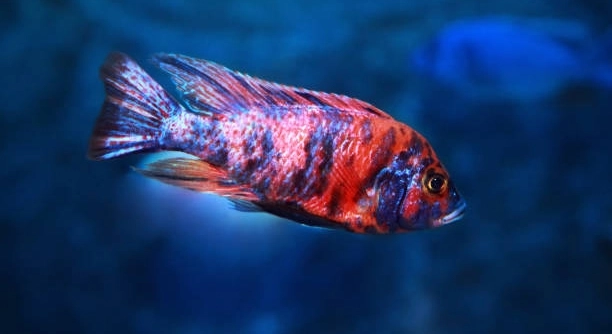
African cichlids are popular freshwater fish known for their vibrant colors and active behavior. Many fishkeepers notice these cichlids’ unique eating habits, often wondering if they prefer eating alone rather than in groups. This behavior can influence how they are fed and housed in aquariums.
African cichlids often prefer to eat in private or at least in a less crowded environment. This behavior helps reduce stress and aggression during feeding times, promoting better food intake and healthier fish overall in controlled aquarium settings.
Understanding cichlids’ feeding preferences can improve their care and aquarium management. Learning how to provide a comfortable feeding environment benefits both the fish and their owners.
Why African Cichlids Prefer Privacy When Eating
African cichlids are territorial fish, especially during feeding times. In a group, some more aggressive fish can easily dominate the food, leaving others stressed and hungry. Eating in private helps less dominant cichlids avoid confrontations and reduces competition. This behavior mimics their natural environment, where fish find quiet spots to eat safely. For hobbyists, understanding this preference means providing multiple feeding areas or hiding spots. By doing so, you help all fish get enough food without stress. Over time, fish that feel secure while eating tend to be healthier and more active. Providing privacy is a simple but effective way to improve their overall well-being. It also helps prevent injuries caused by fights over food, which can happen in tight spaces. Offering a calm environment during feeding benefits both the fish and the aquarium’s harmony.
Privacy reduces stress during feeding times.
Maintaining calm feeding spaces supports healthier cichlids. Offering separate spots or using feeding rings can make a noticeable difference. It also allows shy fish to eat properly, promoting balanced growth. This approach helps keep aggression low and creates a more peaceful tank.
Creating a Comfortable Feeding Environment
Separate feeding zones make a big difference in tank dynamics. Using multiple feeding areas ensures that all fish get their share of food without conflict. It’s helpful to place food in different spots around the tank, especially if the group is large. Some keepers use feeding rings or small dishes to limit competition and keep food contained. These methods allow shy or smaller cichlids to eat in peace. Tank decorations like plants, rocks, or caves can also serve as natural barriers, providing cover during meals. The goal is to mimic natural hiding places where fish feel safe. Feeding smaller amounts more frequently rather than one large meal helps reduce rushes and aggression. Observing fish during feeding helps you adjust these setups for the best results. A calm environment leads to less stress, better health, and happier fish.
Fish often compete aggressively when food is scarce or concentrated in one spot.
Setting up the tank with multiple feeding locations and natural cover helps balance feeding behavior. It reduces the risk of stress-related illnesses and supports even growth among all fish. Simple changes can prevent dominance issues and ensure quieter, more successful feeding times.
Feeding Behavior and Social Dynamics
African cichlids establish clear hierarchies within their groups. Dominant fish often eat first and defend their feeding spots aggressively. Subordinate fish may wait or find quieter areas to eat safely. This natural social structure affects how and where they prefer to feed in captivity.
Aggression during feeding is common among African cichlids. The dominant ones try to control access to food, which can lead to stress and injury in less dominant fish. Providing multiple feeding spots helps reduce fights and allows all fish to eat. This is especially important in smaller tanks where space is limited. Observing how fish behave during feeding times can help identify any aggressive patterns. Adjusting the environment by adding hiding spots or spreading food out can make a big difference. Reducing stress improves their health and encourages more natural feeding behaviors.
Some African cichlids will wait their turn patiently in less crowded areas. Others may swim away if the situation becomes too aggressive. Recognizing these behaviors helps in creating a better feeding routine that suits all fish.
Tips for Feeding African Cichlids in Groups
Feeding cichlids in groups requires careful planning to ensure everyone gets enough food. It’s important to watch their behavior and adjust feeding methods if needed. Feeding smaller amounts more often is usually better.
Using multiple feeding stations can reduce aggression. Spreading food around the tank prevents competition in one spot. Adding plants or decorations also gives fish places to hide during meals. Some keepers feed with sinking pellets to target bottom feeders, while others use floating food for surface feeders. Watching fish during feeding helps determine the best type of food and delivery method. Regularly adjusting these factors helps maintain peace and health in the aquarium. Consistency in feeding times also creates a routine that reduces stress and promotes natural behavior. This approach supports a balanced, happy group of cichlids.
Feeding Times and Privacy
African cichlids often prefer eating when the tank is calm. Feeding during busy or noisy times may increase stress and aggression among fish. Choosing quiet moments for feeding helps reduce tension.
Feeding fish individually or in small groups can create a more relaxed environment. This method allows shy fish to eat without pressure from others.
How to Observe Your Cichlids’ Eating Habits
Careful observation is key to understanding your cichlids’ feeding preferences. Watch how they behave during feeding and note if some fish avoid eating when others are around. This information helps tailor feeding routines to suit their needs and improve overall tank harmony.
Adjusting Feeding Strategies
Changing feeding times or locations can reduce stress. Small adjustments often lead to better feeding behavior and healthier fish. Monitoring and adapting is essential for long-term success.
FAQ
Do African cichlids always eat alone?
Not always, but many prefer some level of privacy during feeding. Aggressive or dominant fish tend to eat first and can intimidate others. Shyer or less dominant cichlids often seek quieter spots to avoid conflict. This behavior helps reduce stress and ensures all fish get their share of food.
How can I tell if my cichlids are stressed during feeding?
Signs of stress include hiding, refusing food, rapid swimming, or aggressive chasing. If some fish consistently miss meals or appear fearful, it’s likely they feel threatened. Stress can affect their health, so observing their feeding behavior closely is important to identify and fix problems.
What feeding methods work best for African cichlids?
Using multiple feeding spots around the tank helps reduce competition. Feeding small amounts frequently rather than one large meal limits rushes and aggression. Offering a mix of sinking pellets and flakes covers different feeding habits. Natural decorations or plants create safe spots to eat calmly.
Is it okay to feed cichlids by hand?
Feeding by hand can build trust but may increase aggression in groups. If you feed by hand, do it slowly and carefully, watching for signs of stress or fights. Hand feeding works best in tanks with fewer fish or more peaceful species.
How often should African cichlids be fed?
Feeding two to three times daily in small portions is ideal. This keeps fish active and reduces food waste. Overfeeding leads to poor water quality and health issues. Feeding less but more often helps maintain balanced nutrition and prevents competition.
Can feeding during busy household times affect cichlids?
Yes. Loud noises or sudden movements can stress fish, especially during meals. Feeding at quieter times helps fish feel safe and encourages calm eating habits. Establishing a consistent feeding schedule can reduce anxiety and improve their overall behavior.
What should I do if one fish is dominating feeding?
Separate feeding spots are key. You can feed in different tank areas or use feeding rings to keep dominant fish from controlling all the food. Adding plants or decorations helps shy fish hide and eat undisturbed. If needed, temporarily isolate very aggressive fish to prevent harm.
Do cichlids prefer specific types of food when eating alone?
Cichlids often choose food that suits their natural diet. Some prefer sinking pellets, others flakes or live foods like brine shrimp. Offering variety keeps them healthy and interested. When eating alone, fish may be less rushed and pick food more carefully, improving nutrition.
Can changing feeding times help reduce aggression?
Yes. Feeding before or after busy periods can reduce stress. Adjusting feeding times based on fish behavior encourages calmer meals. Watching when aggression is lowest during feeding helps pick the best schedule for your tank.
Is it necessary to feed shy cichlids separately?
Not always, but sometimes separating shy fish during feeding can help. Using breeding nets or small containers inside the tank allows shy fish to eat without fear. This method is useful when aggressive feeding disrupts their nutrition or causes injuries.
How important is water quality during feeding times?
Very important. Poor water quality increases stress and can make fish more aggressive. Uneaten food quickly pollutes water, so feeding small amounts helps maintain cleanliness. Regular water changes and tank maintenance improve fish health and promote peaceful feeding.
What are some signs that feeding strategies need adjustment?
Signs include uneven growth, frequent injuries, food waste, and consistent stress behavior. If some fish avoid feeding or get chased away, changes are needed. Adjust feeding spots, timing, or food types to meet your cichlids’ needs better.
Can feeding in private improve fish health?
Yes. Reducing stress during meals improves digestion and immune response. Fish that eat comfortably are less likely to develop disease. Feeding in private or less crowded spaces supports their natural behavior and overall well-being.
How do tank size and decoration affect feeding behavior?
Larger tanks with plenty of hiding spots reduce aggression during feeding. Decorations break line of sight and offer refuge. Smaller tanks may increase competition, so more careful feeding strategies are needed. Adjust tank setup to support peaceful feeding.
What if I notice changes in feeding behavior?
Changes can indicate stress, illness, or tank issues. Monitor water quality, diet, and social dynamics. Acting quickly to identify causes helps prevent health problems. Sometimes small tweaks in feeding routine solve the issue. Always observe fish closely to catch early warning signs.
African cichlids have unique feeding habits that are important to understand for their well-being. Their preference for eating in private or less crowded spaces helps reduce stress and aggression in the aquarium. When fish feel safe and undisturbed while eating, they are more likely to get enough food and stay healthy. This natural behavior is common among many cichlid species and reflects how they act in the wild. As caretakers, recognizing this helps create a better environment that supports the needs of all fish in the tank.
Providing multiple feeding areas and hiding spots is a practical way to support African cichlids’ feeding preferences. This setup allows shy or less dominant fish to eat without fear of being chased away by more aggressive tankmates. Small changes, like feeding smaller amounts more often or placing food in different parts of the tank, can greatly reduce competition during meal times. These efforts make feeding less stressful and improve overall fish health. Stress from constant competition or aggression can lead to illness, poor growth, and even injuries, so a calm feeding environment benefits everyone.
Consistent observation of your cichlids’ behavior during feeding is important for their care. Watching how fish interact around food helps identify any problems early, such as bullying or uneven food distribution. Adjusting feeding methods or tank setup based on these observations ensures that all fish receive proper nutrition and remain calm. Understanding and accommodating the natural feeding habits of African cichlids not only supports their health but also enhances the enjoyment of keeping these colorful and active fish. Taking simple steps to create a peaceful feeding routine will make a positive difference in your aquarium’s balance.

Hello,
If you enjoy the content that we create, please consider saying a "Thank You!" by leaving a tip.
Every little bit helps us continue crafting quality advice that supports the health, happiness, and well-being of pets around the world, for pets of all shapes, sizes, and species.
We really appreciate the kindness and support that you show us!