
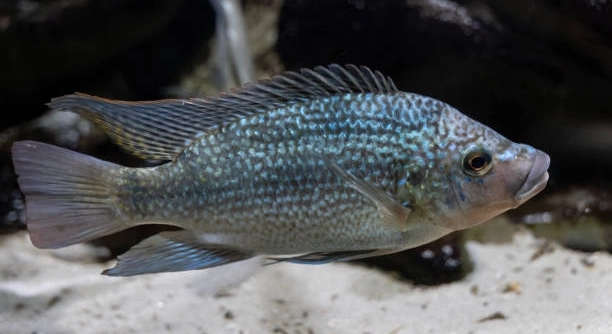
Adding driftwood to cichlid tanks is a popular choice among aquarium enthusiasts. It enhances the tank’s appearance while providing a natural environment for the fish. Many hobbyists notice improvements in water quality and fish behavior after including driftwood.
Driftwood offers multiple benefits for cichlid tanks, such as promoting natural habitat conditions, lowering pH levels, providing hiding spots, supporting beneficial bacteria growth, and improving overall fish health and well-being. These effects contribute to a balanced and stable aquarium environment.
Understanding how driftwood impacts your tank can help you create a healthier space for your cichlids. The following points explain the key advantages and practical reasons to add driftwood to your aquarium setup.
Natural Hiding Spots for Cichlids
Cichlids need places to hide and feel secure in their environment. Driftwood creates natural hiding spots that help reduce stress and aggression among fish. These hiding spaces mimic what cichlids would find in their natural habitats, giving them comfort and shelter. When fish feel safe, they display healthier behaviors and are less likely to become territorial or aggressive. Driftwood also provides surfaces for algae and microorganisms to grow, which can serve as a food source for some species. Adding driftwood can encourage more natural and active behavior from your cichlids, making the tank more enjoyable to watch. The shapes and textures of driftwood add visual interest while serving an important function in your aquarium.
Hiding spots created by driftwood improve fish well-being and contribute to a peaceful aquarium environment overall.
The presence of driftwood reduces visible stress signs, such as rapid swimming or hiding constantly in corners. This improvement in fish behavior supports better health and longevity for your cichlids. A tank with adequate hiding spaces will often see less fighting, which keeps the environment stable. Driftwood also allows shy fish to feel included and reduces competition for territory, leading to a more balanced tank. By incorporating driftwood, you’re offering your cichlids both shelter and a place to explore.
Water Chemistry and pH Balance
Driftwood naturally lowers the pH in aquarium water, which benefits many cichlid species.
The tannins released by driftwood help maintain a slightly acidic environment, which is ideal for several types of cichlids. This effect can prevent sudden changes in water chemistry, keeping the tank stable and healthy. Lower pH levels also discourage the growth of harmful bacteria and algae. It is important to choose the right type of driftwood and prepare it properly before adding it to the tank to avoid unwanted water discoloration or excessive tannin release. When used correctly, driftwood supports better water quality and creates an environment closer to a cichlid’s natural habitat.
Driftwood also acts as a natural filter by supporting beneficial bacteria colonies that break down waste products. These bacteria help reduce ammonia and nitrate levels, further improving water conditions. Regularly monitoring water parameters will help you maintain the perfect balance. Driftwood’s contribution to water chemistry makes it a valuable addition for both beginner and experienced aquarists. Its natural influence supports healthier fish and a more stable aquarium ecosystem overall.
Enhances Biological Filtration
Driftwood provides surface area for beneficial bacteria to grow. These bacteria help break down harmful substances in the tank, improving water quality. Adding driftwood supports the natural filtration process.
The porous surface of driftwood creates an ideal habitat for nitrifying bacteria, which convert toxic ammonia into less harmful nitrates. This biological filtration reduces stress on your filtration system and helps maintain stable water parameters. By supporting these bacteria, driftwood contributes to a healthier environment for your cichlids. This natural method of filtration also lowers the frequency of water changes needed to keep the tank clean.
The bacterial colonies on driftwood work alongside your tank’s filter to keep nitrogen levels in check. This balance promotes better fish health and reduces the chances of diseases caused by poor water quality. Including driftwood enhances the ecosystem inside the aquarium, creating a self-sustaining habitat that benefits both the fish and the overall tank environment.
Adds Natural Aesthetic Appeal
Driftwood brings a natural look to the tank, making it visually appealing. Its unique shapes and textures add depth and interest to the aquarium setup.
The organic appearance of driftwood helps recreate the natural environments where many cichlid species originate. This realistic setting not only benefits the fish but also makes the tank more attractive. It provides contrast with plants and rocks, creating a balanced and harmonious display. Driftwood’s colors range from light tans to deep browns, adding warmth to the aquarium scene.
Arranging driftwood thoughtfully can highlight certain areas of the tank, making it feel more dynamic. This natural décor can turn a simple aquarium into a captivating display. The combination of wood with live plants and substrate helps produce an inviting habitat that is pleasant to observe daily.
Encourages Natural Behavior
Driftwood encourages cichlids to exhibit natural behaviors such as exploring, hiding, and territorial marking. This reduces boredom and promotes mental stimulation.
Providing these natural elements helps your fish feel more at home, supporting their instincts and improving overall well-being.
Provides Surface for Algae Growth
Driftwood surfaces allow algae to grow, which serves as a natural food source for some cichlid species. This can supplement their diet and encourage grazing behavior, contributing to their nutritional variety.
Helps Soften Hard Water
Driftwood releases tannins that can help soften hard water by binding to minerals like calcium and magnesium. This process helps create a more suitable environment for species that prefer softer water.
Supports Breeding Behavior
Certain cichlids use driftwood as a site for laying eggs or establishing breeding territories. Including driftwood can encourage natural breeding and improve the chances of successful reproduction in the tank.
FAQ
What type of driftwood is best for cichlid tanks?
The best driftwood for cichlid tanks is natural, aquarium-safe wood like Malaysian driftwood, Mopani wood, or Manzanita. These types are sturdy, non-toxic, and release beneficial tannins. Avoid soft or rotting wood as it can degrade water quality or harm fish.
How do I prepare driftwood before adding it to the tank?
Rinse the driftwood thoroughly to remove dirt and debris. Soaking it in water for several days helps release tannins that cause discoloration. Boiling the wood for 1-2 hours can speed up this process and kill any harmful organisms. Proper preparation ensures safer use and better water stability.
Will driftwood change the color of my aquarium water?
Yes, driftwood releases tannins that can tint the water a light brown or tea color. This is natural and generally safe for fish. If the color bothers you, regular water changes and soaking the wood longer before adding it can reduce this effect.
Can driftwood affect water parameters?
Driftwood lowers pH and softens water by releasing tannins and binding minerals. This can benefit cichlids that prefer acidic or slightly acidic environments. Regular monitoring of water chemistry is important to keep conditions stable and avoid extremes.
How often should I clean driftwood in the tank?
Driftwood usually needs gentle cleaning every few months or when algae buildup is heavy. Use a soft brush to remove debris and algae without damaging the wood. Avoid harsh chemicals that can harm fish and beneficial bacteria.
Can all cichlids live with driftwood?
Most cichlid species benefit from driftwood, especially those from South America and Africa’s softer water habitats. However, some species prefer rocky environments and may not interact much with wood. Understanding your fish’s natural habitat helps decide if driftwood is suitable.
Does driftwood help with fish aggression?
Driftwood provides hiding spots and breaks up sightlines, which can reduce aggression by giving fish places to retreat. It also helps establish territories, making the tank environment less stressful for dominant and shy fish alike.
Is driftwood safe for other aquarium inhabitants?
Driftwood is generally safe for most freshwater fish, invertebrates, and plants. Its natural qualities support beneficial bacteria and microorganisms that contribute to tank health. Always research compatibility based on your specific tank community.
Can driftwood rot or decay in the aquarium?
Properly prepared driftwood is unlikely to rot quickly. However, wood left untreated or exposed to constant moisture without good water flow can slowly degrade. Regular maintenance and choosing dense, hard wood types reduce the risk of decay.
How large should the driftwood be for my tank?
The size depends on your tank dimensions and fish size. Driftwood should not overcrowd the tank or restrict swimming space. It’s best to select pieces that fit naturally, providing shelter while maintaining open areas for movement and viewing.
Using driftwood in your cichlid tank offers many benefits, but choosing the right type and preparing it properly ensures the best results. Monitoring water conditions and fish behavior will help you maintain a balanced, healthy aquarium environment.
Final Thoughts
Adding driftwood to a cichlid tank can make a significant difference in creating a healthier and more natural environment. Driftwood provides many benefits, such as offering hiding places for fish, improving water quality, and encouraging natural behaviors. These advantages help reduce stress and aggression, which are common problems in many aquariums. When cichlids feel secure and comfortable, they are more likely to thrive and display their natural colors and behaviors, making the tank more enjoyable to observe.
It is important to select the right type of driftwood and prepare it properly before placing it in the aquarium. Not all wood is safe for fish tanks, so choosing aquarium-safe driftwood like Malaysian or Mopani wood is a good start. Proper preparation includes soaking and boiling the wood to remove tannins and kill any harmful bacteria or pests. Although tannins can slightly tint the water, this is a natural process and generally safe for the fish. With time, the water color usually lightens. Monitoring water parameters regularly is essential, especially pH and hardness, because driftwood can lower pH and soften water, which benefits many cichlid species.
Overall, driftwood is a valuable addition to cichlid tanks, enhancing both the aesthetic and functional aspects of the aquarium. It helps create a more balanced ecosystem by supporting beneficial bacteria and providing natural surfaces for algae growth. This not only improves the health of the fish but also reduces maintenance efforts by improving water quality. When used correctly, driftwood contributes to a stable and peaceful tank environment, allowing cichlids to express their natural behaviors. Taking the time to understand the benefits and care requirements of driftwood will ensure a successful and rewarding aquarium experience.

Hello,
If you enjoy the content that we create, please consider saying a "Thank You!" by leaving a tip.
Every little bit helps us continue crafting quality advice that supports the health, happiness, and well-being of pets around the world, for pets of all shapes, sizes, and species.
We really appreciate the kindness and support that you show us!