
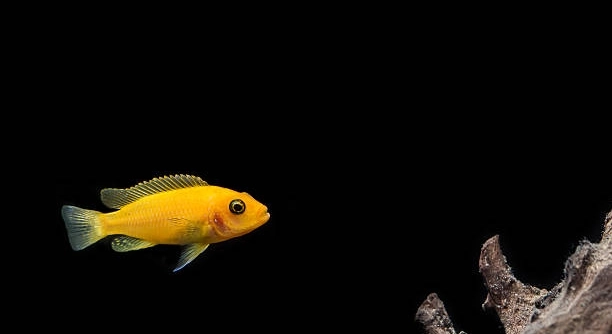
African cichlids are popular aquarium fish known for their vibrant colors and interesting behaviors. Many owners notice their cichlids digging circles in the substrate, which can seem puzzling at first. This behavior is quite common and has important reasons behind it.
The circular digging behavior of African cichlids is primarily related to territory establishment and breeding. These fish dig to create nests or clear areas for spawning, which helps protect their eggs and young from potential threats. It is a natural and instinctive action essential for their reproductive success.
Understanding why your cichlid digs can help you provide a better environment for its health and happiness. Learning more about this behavior can improve how you care for these fascinating fish.
Reasons African Cichlids Dig Circles
African cichlids dig circles mainly to prepare a suitable area for laying eggs. This behavior is part of their natural breeding ritual. By clearing a round space in the gravel or sand, they create a nest that protects the eggs from debris and predators. This digging also marks their territory, signaling to other fish to stay away. Sometimes, the digging can also be a way for cichlids to search for food hidden beneath the substrate. Their strong digging is supported by their natural instinct to maintain and defend their living space. Watching them work on their nests can be fascinating, showing how much care they put into their breeding process. While it might cause some mess in your tank, it is a healthy and important activity for the fish.
This digging behavior is a normal part of cichlid breeding and territory marking.
Understanding these habits helps maintain a calm environment for your fish and avoids unnecessary worry.
How to Manage Digging Behavior
To handle digging, ensure your aquarium has enough substrate for them to move around freely. Using fine sand or smooth gravel allows easier digging without harming their delicate fins. Avoid overcrowding the tank, as this can increase stress and aggressive behavior linked to territorial digging. Providing plenty of hiding spots with rocks and plants also helps reduce tension among tank mates. Regularly cleaning the tank prevents debris from accumulating in the areas your cichlids clear. If you notice excessive digging damaging the tank setup or stressing other fish, rearranging decorations or increasing tank size might be necessary. Being mindful of water quality and maintaining a balanced diet also supports your cichlids’ overall well-being, reducing restless digging driven by discomfort or hunger. Taking these steps creates a better space for their natural behaviors without disrupting the tank environment.
Signs Your African Cichlid Is Ready to Breed
When an African cichlid starts digging circles, it often means they are preparing for breeding. The male usually does most of the digging to attract a female. You might also see increased territorial behavior and color changes during this time.
Males become more vibrant in color to impress females. They clear a clean, circular area to make a nest, showing readiness to mate. Females often stay nearby, observing the nest site. The fish may also show more aggression toward other tank mates, defending the space they prepared. This behavior can last several days as the breeding pair prepares for spawning. Recognizing these signs helps you support their breeding process with proper tank care.
Providing a quiet environment and stable water conditions during this phase can encourage successful breeding. Avoid disturbing the fish to keep stress levels low.
Impact of Digging on Tank Environment
The digging activity moves substrate around, often creating piles of sand or gravel in one spot. This can make the tank look messy but is generally harmless to the fish or plants. However, frequent digging may uproot plants or displace decorations.
The constant movement can increase debris and cloud the water temporarily. It’s important to have a good filtration system to handle the extra particles stirred up by digging. Regular water changes also help maintain clear water and reduce buildup. You may want to secure plants with heavier pots or use hardy plant species that withstand disturbance. Watching the substrate shift is a reminder of your cichlids’ active nature and the care they need. Balancing their natural behaviors with tank maintenance keeps your aquarium healthy and enjoyable to watch.
Creating a Suitable Nesting Area
Providing a soft, sandy substrate makes it easier for cichlids to dig and form nests. Avoid sharp gravel that can injure their fins during digging.
Adding flat rocks or small caves nearby gives them additional places to claim and helps reduce aggression during breeding.
Feeding to Support Breeding Behavior
A balanced diet with plenty of protein helps prepare cichlids for breeding. Foods like bloodworms, brine shrimp, and high-quality pellets boost their energy and overall health. Proper nutrition supports nest-building activity and successful spawning by strengthening both males and females.
Handling Aggression During Nesting
Aggression often increases as cichlids defend their nest and territory. It’s important to monitor tank dynamics closely during this time.
Preventing Damage to Plants and Decor
Using hardy plants and secure decorations reduces the chance of damage caused by digging and territorial disputes.
FAQ
Why is my African cichlid digging a circle repeatedly?
African cichlids dig circles mainly to create a nest for breeding. This behavior is instinctive and helps protect eggs once they are laid. The circle clearing also marks their territory, warning other fish to keep away. Repeated digging can also be a way for your cichlid to rearrange its environment or search for food.
Is digging harmful to my fish or tank?
Digging itself is not harmful to the fish and is a natural behavior. However, it can disturb plants and decorations in the tank. To minimize damage, use sturdy plants and secure decorations. Keeping the substrate soft, like sand, also prevents injuries during digging.
How can I tell if my cichlid is preparing to breed?
Besides digging circles, males often show brighter colors and increased aggression while defending the nest area. Females might stay close to the nest and appear less active. These signs indicate breeding readiness.
Should I change the tank setup during digging or breeding?
It’s best to keep the tank stable and avoid sudden changes during this time. Make sure the water conditions are optimal and provide enough hiding places to reduce stress. Rearranging the tank may increase aggression or cause unnecessary stress to the fish.
Can digging cause water quality problems?
Digging stirs up substrate, which can make the water cloudy temporarily. Good filtration and regular water changes help keep water clear. If digging is frequent, monitor water parameters closely to prevent ammonia or nitrate spikes.
What kind of substrate is best for digging African cichlids?
Fine sand or small, smooth gravel is ideal. It’s easier for cichlids to dig and less likely to harm their fins. Avoid sharp or large gravel that can cause injuries.
How can I reduce aggression during digging and breeding?
Providing plenty of hiding spots and ensuring enough space in the tank helps reduce fights. Avoid overcrowding and remove overly aggressive fish if necessary. Maintaining good water quality and feeding well also keeps the fish calmer.
Does digging mean my cichlid is unhappy or stressed?
Not usually. Digging is often a sign of natural behavior, especially related to breeding or territory. However, excessive digging combined with other stress signs, like loss of appetite or hiding, may indicate a problem with water quality or tank conditions.
Can I stop my cichlid from digging?
Since digging is natural, it’s difficult and not recommended to stop it completely. Instead, focus on creating a safe environment where digging won’t cause damage. Providing proper substrate and decorations helps accommodate this behavior.
How long does the digging behavior last?
Digging can last from a few days to several weeks, depending on the breeding cycle and individual fish. Once spawning is complete and eggs are laid, digging usually decreases but may continue as the fish guard their territory.
Is digging related to feeding behavior?
Sometimes cichlids dig to uncover food hidden in the substrate. If digging increases when feeding time approaches, your fish may be searching for leftovers or hidden treats.
What should I do if my fish uproots plants during digging?
Use hardy, well-rooted plants or plant in pots weighted down with stones. Artificial plants can be a good alternative if live plants don’t hold up well.
Can other fish coexist with digging African cichlids?
Yes, but choose tank mates carefully. Some species are more tolerant of digging and aggression, while others may get stressed. Provide enough space and hiding spots for all fish to minimize conflict.
Is circle digging seen in all African cichlid species?
Not all species dig in circles, but many do as part of their breeding behavior. The exact pattern and intensity vary depending on the species and individual fish.
How can I encourage successful breeding in my digging cichlids?
Maintain stable water conditions, offer a balanced diet rich in protein, and provide suitable nesting substrate. Reducing stress by limiting disturbances and keeping tank mates compatible also helps encourage breeding.
What happens after the eggs are laid in the nest?
The parents usually guard the eggs closely, fanning them to provide oxygen and protecting them from threats. Once the fry hatch, parents may continue to care for them until they become more independent.
Final Thoughts
African cichlids digging circles is a natural behavior mainly linked to their breeding and territorial instincts. It is important to understand this activity as part of their normal life cycle. The digging serves practical purposes, such as creating a safe nest for eggs and signaling ownership of a space within the tank. While it might seem like a mess from the outside, it is actually a sign that your cichlids are healthy and acting according to their nature. Recognizing this behavior helps aquarium owners provide the right environment for their fish and reduces unnecessary concern about the digging.
Providing a tank setup that accommodates digging can improve the well-being of your African cichlids. Using soft, fine substrates like sand allows easier digging and reduces the chance of injury. Securing plants and decorations prevents them from being uprooted or displaced. Maintaining good water quality through regular filtration and water changes is essential since digging can stir up sediment and temporarily cloud the water. Additionally, providing hiding spots and enough space helps to manage any increased aggression that comes with territorial behavior. These simple adjustments can create a balanced environment where your fish can express natural behaviors without causing damage to the tank or stress to themselves or other fish.
Understanding the reasons behind the digging and managing the tank environment accordingly makes caring for African cichlids more rewarding. Instead of viewing digging as a problem, it can be seen as a sign that your fish are comfortable and ready to breed. Paying attention to their behavior, tank conditions, and diet supports their health and encourages natural breeding cycles. With the right care, your cichlids can thrive and display these fascinating behaviors while you enjoy watching their vibrant colors and unique personalities. Overall, respecting their instincts and providing a suitable home leads to a happier and healthier aquarium.

Hello,
If you enjoy the content that we create, please consider saying a "Thank You!" by leaving a tip.
Every little bit helps us continue crafting quality advice that supports the health, happiness, and well-being of pets around the world, for pets of all shapes, sizes, and species.
We really appreciate the kindness and support that you show us!