
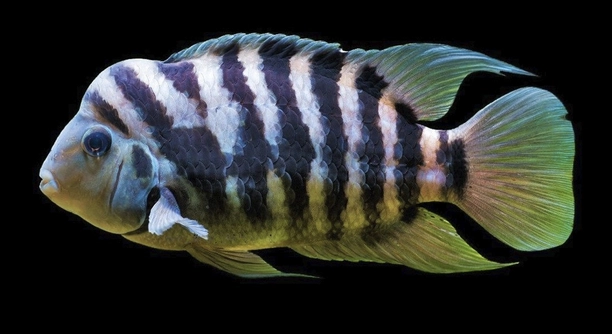
African cichlids are popular aquarium fish known for their vibrant colors and lively behavior. Many fish enthusiasts observe their interactions and wonder about the emotional lives of these fascinating creatures. Understanding their feelings can enhance how we care for them.
Research shows that African cichlids exhibit behaviors suggesting they experience basic emotions such as stress, fear, and social bonding. These responses are linked to survival instincts rather than complex feelings, but they demonstrate that cichlids do react emotionally to their environment and social situations.
Exploring the emotional capacity of these fish reveals important insights into their care and wellbeing. This knowledge can improve how we create environments that support their natural behaviors.
Signs of Emotion in African Cichlids
African cichlids display behaviors that suggest they experience emotions in ways that affect their daily lives. When stressed, they might change color or hide more often. Aggression toward other fish can indicate territorial feelings or discomfort. Observing their social interactions shows that they form hierarchies and bond with certain tank mates. These fish also respond to changes in their environment, such as water quality or new decorations, which can influence their mood and behavior. Understanding these signs helps in creating a habitat that reduces stress and supports their natural actions. Proper care involves monitoring how they behave daily and adjusting their surroundings to keep them calm and healthy. These responses are not complex emotions like humans feel, but they clearly show that cichlids react emotionally to their conditions and social settings.
Cichlids often react quickly to stress or new situations, showing clear emotional responses that can be observed and interpreted.
Regularly observing these reactions can improve how you care for your fish, promoting a healthier and more stable environment.
How Environment Affects Cichlid Behavior
The environment plays a crucial role in shaping the emotions and behavior of African cichlids. Poor water quality, overcrowding, or lack of hiding spaces can increase stress and aggression. Providing ample space and proper filtration helps maintain comfort and lowers negative emotional responses. Adding plants or rocks creates territories, which cichlids use to establish dominance and feel secure. When these conditions are met, the fish are more likely to display natural behaviors such as courtship or peaceful coexistence. Changes to the tank, like new fish or rearranged decorations, can temporarily upset their emotional balance, so it is important to introduce changes gradually. A stable environment supports the emotional wellbeing of cichlids, making them more active and less prone to illness. Knowing how environment impacts these fish helps you provide the best possible care for them.
Social Behavior and Emotional Responses
African cichlids show clear social behaviors that reflect emotional responses. They form groups, establish dominance, and react to others in ways that affect their mood.
Social hierarchies in cichlids are important for reducing conflict. Dominant fish often control territories and resources, while submissive ones avoid confrontation. This balance helps keep stress levels lower for most fish in the group. Changes in the social order can cause stress, leading to changes in behavior or health. For example, if a dominant fish is removed, others may become more aggressive while they reestablish ranks. These interactions reveal how emotional responses are tied closely to social roles and survival needs.
Watching how cichlids interact can give insights into their emotional state. When they show aggression or withdrawal, it often signals discomfort or stress. Careful observation can guide adjustments to their environment or tank mates, improving their wellbeing. Social dynamics are complex but vital to their emotional health.
Impact of Stress on Cichlid Emotions
Stress in African cichlids triggers clear emotional and physical reactions. Poor water quality, overcrowding, or constant threats increase stress levels.
When stressed, cichlids may lose color, reduce activity, or hide frequently. Prolonged stress weakens their immune system, making them prone to illness. Stress can also disrupt breeding behaviors and social structures. Preventing stress requires stable tank conditions, proper diet, and compatible tank mates. Regular monitoring of water parameters and behavior helps identify early signs of stress. Quick intervention can restore balance and prevent long-term damage.
Reducing stress improves their overall quality of life. A calm environment encourages natural behaviors like exploring and interacting peacefully with others. Supporting emotional health means paying attention to all factors affecting their comfort and safety.
Communication Methods in African Cichlids
African cichlids use body language and color changes to communicate emotions. Bright colors often signal dominance or readiness to mate, while dull colors may show stress or submission.
They also use specific movements, like fin displays or chasing, to express feelings such as aggression or courtship.
Emotional Reactions to Tank Mates
Cichlids respond emotionally to the presence of other fish in the tank. Compatible tank mates can reduce stress and encourage natural social behaviors.
Aggressive or incompatible species often cause anxiety and territorial disputes, affecting emotional wellbeing. Proper selection of tank mates is essential to maintaining a peaceful environment.
Role of Routine in Emotional Stability
Consistent feeding times and stable tank conditions help maintain emotional balance in cichlids. Predictability reduces stress and creates a sense of security.
Breeding and Emotional Behavior
Breeding triggers strong emotional responses, including territorial defense and nurturing behaviors. These actions reflect basic emotions tied to survival and reproduction.
FAQ
Do African cichlids feel pain or emotions like mammals?
African cichlids do not experience emotions in the same way mammals do. Their brains are simpler, and their emotional responses are basic and linked to survival. They feel stress, fear, and comfort but not complex feelings like happiness or sadness. Their reactions are more about responding to threats or social situations than deep emotions.
How can I tell if my cichlid is stressed?
Signs of stress include color fading, hiding often, loss of appetite, and erratic swimming. Aggression or lethargy can also indicate stress. If your cichlid shows these behaviors, it is important to check water quality, tank size, and social setup. Stress can weaken their immune system and cause health issues if not addressed quickly.
What causes aggression in African cichlids?
Aggression is usually caused by territorial disputes, overcrowding, or incompatible tank mates. Males often compete for dominance, especially during breeding. Providing enough space and hiding spots helps reduce fighting. Choosing compatible fish and maintaining a stable environment also lowers aggressive behavior.
Can cichlids bond with their owners?
Cichlids can recognize their owners and may respond to feeding or movement outside the tank. While this is not a bond in the human sense, it shows they can become familiar and less fearful. Regular interaction and gentle care help build trust over time.
How does tank setup affect cichlid emotions?
A well-structured tank with hiding places, plants, and proper space reduces stress and supports natural behaviors. Unstable environments or sudden changes cause anxiety and aggression. Keeping water parameters stable and creating territories within the tank help cichlids feel secure and emotionally balanced.
Do African cichlids get lonely?
Cichlids are social fish and usually live in groups in the wild. Some species thrive better with tank mates, while others prefer solitude or smaller groups. Observing your fish’s behavior will help you decide if they need companions to reduce stress and encourage natural social interaction.
What role does diet play in cichlid emotional health?
A balanced diet supports physical health, which affects emotional wellbeing. Poor nutrition can cause lethargy, irritability, and weakened immunity, increasing stress. Feeding varied, species-appropriate food in regular amounts promotes a stable mood and energy level.
How long does it take for cichlids to adjust to a new tank?
Adjustment time varies by species and individual fish but usually takes several days to weeks. During this time, stress signs may appear. Maintaining stable water conditions and limiting changes during this period helps reduce anxiety and encourages settling.
Can environmental enrichment improve cichlid emotions?
Yes, adding decorations, hiding spots, and varying the tank layout provides mental stimulation and reduces boredom. Enrichment encourages natural behaviors such as exploring, hiding, and territory marking, which supports emotional health and reduces stress.
Are breeding behaviors a sign of emotional complexity?
Breeding triggers strong instinctual behaviors like territory defense and caring for offspring. These are survival-driven responses, not emotional complexity. However, they do show that cichlids experience changes in mood and behavior tied to reproduction needs.
What is the best way to reduce stress in African cichlids?
Maintaining good water quality, stable temperature, proper tank size, and compatible tank mates is key. Providing hiding places and keeping a consistent routine also helps reduce stress. Regular observation allows early detection and correction of problems before stress worsens.
How do cichlids show affection or bonding?
While not affectionate like mammals, cichlids show social bonding through peaceful cohabitation, shared territories, and synchronized swimming. They may follow certain tank mates or tolerate close proximity, indicating social comfort rather than emotional attachment.
Is it possible for a cichlid to suffer from anxiety?
Cichlids exhibit anxiety-like behavior when exposed to threats, overcrowding, or poor water conditions. Symptoms include hiding, erratic swimming, and loss of appetite. Reducing stressors and improving tank conditions can alleviate these symptoms, supporting their wellbeing.
How important is light and day-night cycles for cichlid emotions?
Regular light and dark cycles help regulate cichlid behavior and mood. Disruptions can cause stress and affect feeding and breeding patterns. A natural cycle supports emotional stability and encourages natural rhythms.
Can cichlids remember stressful events?
Cichlids have memory abilities that allow them to recognize threats or familiar tank mates. Negative experiences can cause lasting stress or avoidance behaviors. Providing a stable, safe environment helps reduce the impact of stressful memories on their wellbeing.
African cichlids show clear signs of basic emotional responses through their behavior and interactions. While they do not experience emotions as deeply or complexly as humans, their reactions to stress, social changes, and environmental factors indicate they do feel simple emotions like fear, comfort, and aggression. These feelings are closely tied to their survival instincts and natural needs. Understanding this helps in caring for them more effectively by recognizing what makes them uncomfortable or happy.
Providing the right environment is essential for supporting the emotional wellbeing of African cichlids. Proper tank size, stable water quality, and a suitable social setup all contribute to reducing stress and promoting natural behaviors. Adding hiding places and decorations helps them establish territories and feel secure, which lowers aggression and anxiety. Consistency in feeding and light cycles also plays a role in maintaining emotional balance. When their environment meets their needs, cichlids display healthier behavior and better physical health.
It is important to observe African cichlids regularly to notice changes in behavior that may indicate emotional stress or discomfort. Early detection allows for adjustments in care that can prevent illness and improve quality of life. While cichlids’ emotions may be simple, they still matter for their overall wellbeing. Providing a calm, stable, and enriched environment shows respect for these creatures and supports their natural instincts. Taking these steps ensures they thrive and remain active and vibrant in the aquarium.

Hello,
If you enjoy the content that we create, please consider saying a "Thank You!" by leaving a tip.
Every little bit helps us continue crafting quality advice that supports the health, happiness, and well-being of pets around the world, for pets of all shapes, sizes, and species.
We really appreciate the kindness and support that you show us!