
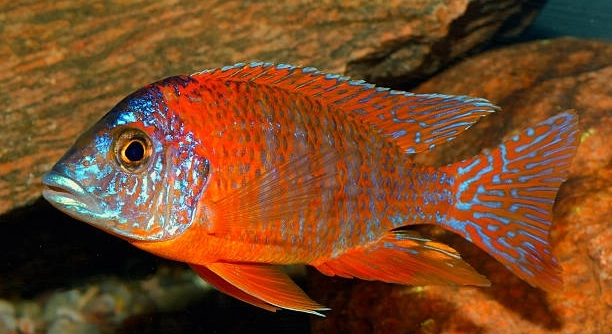
Cichlids are popular aquarium fish known for their bright colors and interesting behaviors. After a water change, it’s common to notice them flashing, which can catch many fish owners by surprise. Understanding this behavior can help you better care for your fish.
Flashing in cichlids after a water change is usually a response to changes in water quality, irritation from parasites, or stress from environmental shifts. This behavior helps fish manage discomfort or adjust to new tank conditions.
Recognizing why cichlids flash can improve your aquarium care and help maintain a healthy environment for your fish. This article explains the main reasons behind this behavior.
Sudden Changes in Water Parameters
When you perform a water change, the water’s temperature, pH, and hardness can shift slightly. Cichlids are sensitive to these changes, and even minor fluctuations can cause discomfort. This sensitivity makes them flash as they try to adjust to the new conditions. If the new water is colder or warmer than the old water, or if the pH is off, the fish might react by rubbing against surfaces or flicking their fins. This flashing is their way of coping with irritation or stress from the environment. Keeping water parameters consistent during changes helps reduce flashing behavior and keeps your fish calmer. Testing water before and after changes is a good habit to avoid surprises.
Water parameter shifts cause flashing by irritating the fish’s skin and scales.
Adjusting water slowly and monitoring parameters closely after a change helps your cichlids settle more comfortably and reduces stress-related flashing. This is especially important for sensitive species.
Parasite Irritation
Parasites on cichlids can cause itching and discomfort, leading to flashing. After a water change, parasites may become more active or visible, causing the fish to rub themselves against tank surfaces. Sometimes, parasites are present but unnoticed until the water conditions change. The irritation makes fish flash to try to remove or ease the discomfort. Parasite presence often increases when water quality dips, so regular maintenance is key. Treating your tank promptly if parasites are detected helps prevent prolonged flashing and stress. Use a suitable medication recommended for your cichlid species to clear parasites without harming your fish.
Flashing often signals parasite irritation that needs to be addressed quickly.
Keeping the tank clean and performing regular water changes can limit parasite outbreaks, supporting your fish’s health and comfort.
Stress from Handling and Environment
Handling or sudden movements near the tank can stress cichlids, causing them to flash. They react to disturbances by rubbing their bodies, which looks like flashing.
Stress weakens fish immunity and triggers flashing as a physical response. Changes in lighting, loud noises, or tapping on the glass can increase stress. Cichlids are territorial, so disruptions may make them uncomfortable, especially after a water change. Avoid sudden movements near the tank, and keep the environment calm to minimize stress. Providing hiding spots also helps reduce flashing caused by anxiety or disturbance.
Maintaining a peaceful environment and gentle handling supports fish well-being, reducing flashing caused by stress. Watching for signs of discomfort lets you act quickly to improve their surroundings.
Reaction to Chemicals in New Water
Sometimes, the new water introduced during a change contains chemicals like chlorine or chloramine. These chemicals can irritate cichlids’ skin, causing flashing as they try to alleviate the discomfort. Even trace amounts can have noticeable effects, especially if the water was not properly treated. Using water conditioners before adding water to the tank is essential to neutralize harmful substances. Failure to treat water can lead to repeated flashing and even long-term health issues. Ensuring water is safe and free of irritants helps maintain your cichlids’ health.
Water conditioners remove harmful chemicals and make water safe for fish.
Proper water preparation before changes prevents chemical irritation and reduces flashing, helping your cichlids stay comfortable and healthy over time.
Excessive Light Exposure
Bright or sudden changes in lighting can make cichlids uncomfortable. Flashing is a common reaction to intense or fluctuating light conditions.
Reducing light intensity and providing shaded areas helps fish adjust and lowers flashing caused by light stress.
Skin Irritation from Algae or Debris
Algae buildup or floating debris in the tank can irritate cichlid skin. When fish come into contact with rough surfaces or particles, they may flash to relieve itching or discomfort.
Regular tank cleaning and algae control minimize skin irritation and reduce flashing, keeping your fish healthier.
Healing from Minor Injuries
Flashing can also indicate healing from small cuts or abrasions. Fish may rub their bodies to soothe the affected area.
Providing clean water and minimizing stress supports faster healing and reduces frequent flashing behavior.
FAQ
Why do cichlids flash only after a water change?
Cichlids flash after a water change mainly because of sudden environmental shifts. Changes in temperature, pH, or water chemistry can irritate their skin and scales, causing them to rub against surfaces. This behavior is a natural response to discomfort or stress, helping the fish try to soothe themselves.
Is flashing harmful to my cichlids?
Flashing itself is not harmful, but it indicates your fish are uncomfortable or stressed. If flashing happens frequently or is accompanied by other symptoms like lethargy or loss of appetite, it could mean an underlying problem like parasites or poor water quality that needs attention.
How can I reduce flashing in my cichlids after a water change?
To minimize flashing, keep water parameters stable by matching temperature and pH closely before adding new water. Use water conditioners to remove harmful chemicals like chlorine. Perform water changes gradually and avoid sudden large changes. Also, reduce stress by limiting disturbances around the tank.
Can flashing be a sign of parasites?
Yes, flashing can be a symptom of parasite irritation. Parasites like ich or flukes cause itching and discomfort, making fish rub themselves. After water changes, parasites may become more noticeable or active, triggering flashing. Regular tank maintenance and treatments help control parasites.
What role does water quality play in flashing?
Water quality is crucial. Poor water conditions with high ammonia, nitrites, or nitrates can irritate fish skin and cause flashing. Maintaining clean water with proper filtration and regular changes reduces stress and irritation. Testing water regularly helps catch issues before they worsen.
Does flashing always mean something is wrong?
Not always. Some flashing can be normal, such as brief rubbing after minor irritations. However, persistent flashing usually indicates a problem that needs to be addressed. Monitoring your fish closely will help determine when flashing is a sign of stress or illness.
How quickly should flashing stop after a water change?
Flashing should decrease within a few hours to a day after a water change if the conditions are stable and no parasites are present. If flashing continues longer, it suggests ongoing irritation or stress that needs investigation.
Are certain cichlid species more prone to flashing?
Yes, some species are more sensitive to environmental changes. Species like African cichlids can be more reactive to water chemistry shifts. Understanding your specific cichlid’s needs helps tailor water changes and tank care to reduce flashing.
Can flashing be caused by tank decorations or substrate?
Yes, rough or sharp decorations and certain substrates can cause physical irritation. When fish flash, they might be trying to rub off discomfort caused by contact with these surfaces. Ensuring smooth, safe tank materials can reduce flashing linked to physical irritation.
What should I do if flashing is caused by parasites?
If parasites are suspected, start treatment immediately with appropriate medications safe for your cichlid species. Maintain excellent water quality and isolate affected fish if possible. Early treatment helps prevent the problem from spreading and reduces flashing caused by irritation.
How important is tank maintenance to prevent flashing?
Tank maintenance is key. Regular water changes, filter cleaning, and substrate vacuuming keep water quality high and reduce irritants like ammonia and parasites. A well-maintained tank lowers stress and prevents flashing due to poor conditions.
Can diet affect flashing behavior?
A healthy diet supports the immune system, helping fish resist parasites and heal minor injuries that cause flashing. Poor nutrition weakens fish and makes them more susceptible to irritation and stress-related behaviors.
Should I consult a vet if flashing continues?
Yes, if flashing is persistent and accompanied by other signs like sores, lethargy, or unusual behavior, consulting a vet or an experienced aquarist is wise. They can help diagnose health issues and recommend treatment options.
Is flashing related to breeding behavior?
Occasionally, flashing can occur during breeding as fish prepare their territory or clean surfaces. However, this flashing is usually short-lived and less frequent compared to flashing caused by stress or irritation.
How can I tell if flashing is due to stress?
Flashing caused by stress often comes with other behaviors like hiding, loss of appetite, or aggression. Identifying and reducing stressors, such as overcrowding or poor water conditions, helps reduce flashing and improve fish well-being.
What’s the best way to introduce new water during a change?
The best approach is to match the new water’s temperature and chemistry as closely as possible to the tank water. Add new water slowly over time rather than all at once to give your fish time to adjust. Using a water conditioner is essential to neutralize chemicals.
Final thoughts on cichlid flashing after a water change focus on understanding the fish’s natural responses and how to provide the best care. Flashing is a common behavior that signals irritation or stress. It usually happens when something in the environment changes suddenly, like water temperature or chemistry. Knowing this helps avoid unnecessary worry and encourages timely action to keep the fish comfortable. By keeping water parameters stable and consistent, flashing can be minimized, making life easier for both the fish and the owner.
Proper water preparation is key to preventing flashing. Treating new water with conditioners to remove chlorine and other harmful chemicals is essential. Slowly adding water during changes helps fish adjust without shock. Maintaining a clean tank environment and performing regular water tests also support healthy conditions. These steps reduce stress and irritation that cause flashing. Watching your cichlids closely after water changes allows you to catch any unusual behavior early. This care routine promotes the long-term health and happiness of your fish.
Finally, flashing is a signal that should never be ignored. While occasional flashing may be normal, repeated or intense flashing often points to underlying issues like parasites, poor water quality, or physical irritation. Taking action by adjusting water conditions, treating for parasites if needed, and ensuring the tank environment is safe can prevent more serious problems. Understanding why cichlids flash gives you the knowledge to provide better care and a healthier home for your fish. Consistency, observation, and proper maintenance make all the difference.

Hello,
If you enjoy the content that we create, please consider saying a "Thank You!" by leaving a tip.
Every little bit helps us continue crafting quality advice that supports the health, happiness, and well-being of pets around the world, for pets of all shapes, sizes, and species.
We really appreciate the kindness and support that you show us!