
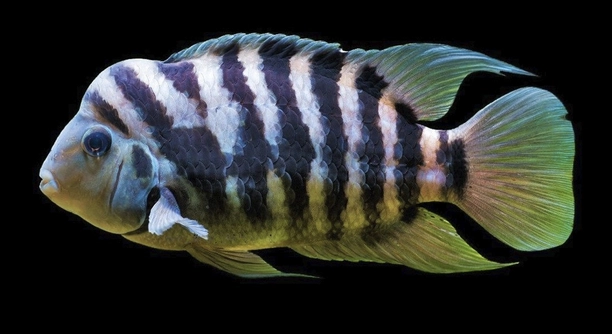
Many aquarium enthusiasts enjoy keeping African cichlids due to their vibrant colors and interesting behaviors. These fish come from different lakes in Africa, each with unique water conditions and species characteristics. Understanding their compatibility is important for a healthy tank environment.
Mixing African cichlids from different lakes is generally not recommended due to differences in water chemistry, behavior, and territorial needs. Lake-specific species have adapted to unique environments, and combining them can lead to stress, aggression, and health problems.
Exploring the details behind lake differences and species needs will help you create a balanced and thriving aquarium with these beautiful fish.
Understanding Lake Differences
African cichlids come mainly from three large lakes: Lake Malawi, Lake Tanganyika, and Lake Victoria. Each lake has its own unique water conditions. Lake Malawi’s water is hard and alkaline, while Lake Tanganyika’s is even harder and more alkaline. Lake Victoria’s water is softer and more acidic. These differences affect how the fish live and interact. Fish from each lake have adapted to specific conditions over thousands of years. Mixing species from different lakes means putting fish in water that might not be ideal for them. This can cause stress and make them more prone to illness. Also, cichlids have distinct behaviors based on their lake environment. They establish territories differently and have various aggression levels. When mixed, these behavioral differences often cause fights and harm. Knowing these details is essential to creating a healthy, peaceful aquarium.
The water chemistry and behavior differences between lakes make mixing African cichlids risky for their health and well-being.
Many hobbyists try mixing cichlids, hoping for diverse tanks. However, the variation in water hardness, pH, and mineral content can cause problems. For example, a fish from Lake Malawi may struggle in Lake Victoria’s softer water, which can lead to stress-related illness. Beyond water chemistry, aggression is a major concern. Lake Tanganyika cichlids are often less aggressive, while Lake Malawi species can be very territorial. When combined, the aggressive fish might dominate and harm others. Feeding needs also differ, with some species requiring more protein and others more algae. Ignoring these needs can cause nutritional problems. Overall, mixing species from different lakes requires careful consideration, proper filtration, and monitoring to maintain balance and reduce stress.
Tips for Keeping Mixed African Cichlids
Successful mixed cichlid tanks require careful planning. Start by choosing species with similar water needs and temperaments. Avoid combining very aggressive fish with peaceful ones. Provide plenty of hiding spaces and visual barriers to reduce stress. Frequent water testing helps maintain ideal water parameters. Keep groups rather than single individuals to spread aggression. Monitor fish behavior regularly and be ready to separate them if fights happen. Proper feeding routines and clean water improve fish health and reduce conflict. Mixing cichlids from different lakes is complex, but with attention to their unique needs, a diverse tank is possible.
Understanding species’ compatibility and tank setup is key to maintaining harmony in mixed cichlid tanks.
Maintaining a mixed African cichlid aquarium requires dedication. Begin by researching each species’ preferred water parameters, including pH, hardness, and temperature. Matching species with overlapping requirements is critical to prevent stress and disease. Use tank decorations like rocks and plants to create natural barriers, which help reduce aggression by limiting sightlines. Keeping larger tanks allows territories to be spread out, reducing conflict. Group sizes matter too—larger groups can help disperse aggression among more fish. Feed a balanced diet appropriate for all species involved, and avoid overfeeding to prevent water quality issues. Regular water changes and filtration are vital to keep the environment stable. Finally, observe your fish daily to catch early signs of stress or illness. While challenging, a well-maintained mixed cichlid tank can be rewarding, offering both diversity and beauty when managed carefully.
Common Challenges When Mixing Lakes
Aggression is the most common problem when mixing African cichlids from different lakes. Territorial disputes often arise, especially in smaller tanks. Differences in size and temperament also increase conflicts. Stress from these fights weakens fish and affects their health.
Aggression between species from different lakes often leads to injuries or death. Lake Malawi cichlids tend to be very territorial and aggressive, which can intimidate or harm more peaceful species from Lake Tanganyika or Victoria. When fish cannot establish clear territories, constant fighting occurs, making it difficult for any fish to thrive. Incompatible social behaviors also add to tension. Some species have dominant breeding behaviors, causing disruption in community tanks. This constant stress can weaken immune systems, making fish more susceptible to disease and reducing their lifespan.
Another challenge is the difference in water chemistry requirements. Fish from different lakes may struggle to thrive if the water parameters are not ideal for them all. Regular testing and adjustments become necessary, making tank maintenance more demanding. Feeding preferences can also cause trouble, as some species require specific diets that others do not tolerate well. Balancing these needs is critical but complicated.
Tank Setup for Mixed Cichlids
Proper tank setup can reduce aggression and stress in mixed cichlid tanks. Providing plenty of hiding spots and visual barriers helps fish avoid conflicts. Large tanks allow territories to be spaced out, reducing territorial disputes.
Using rocks, caves, and plants helps create natural boundaries that break sightlines between aggressive fish. This setup lowers direct confrontations and gives shy or smaller fish places to escape. Larger tanks are beneficial because they provide more space for fish to establish their own areas without constant overlap. Avoid overcrowding, as too many fish increase stress and competition. Frequent water changes and strong filtration keep water quality high, which is essential for fish health. Careful tank decoration combined with regular maintenance supports a balanced, peaceful environment where diverse cichlids can coexist.
Monitoring Fish Behavior
Regular observation is essential to maintain harmony in mixed cichlid tanks. Watching for signs of stress or aggression allows early intervention. Removing overly aggressive fish can prevent serious injuries.
Behavioral changes such as hiding, loss of appetite, or constant chasing indicate problems. Acting quickly helps keep the community stable and healthy.
Adjusting Water Conditions
Water parameters must be carefully balanced when mixing species from different lakes. Testing pH, hardness, and temperature regularly is important to keep conditions stable. Adjustments should be gradual to avoid stressing fish.
Selecting Compatible Species
Choosing species with similar temperaments and water needs increases the chance of success. Research each species’ natural habitat and behavior before mixing them in one tank.
FAQ
Can African cichlids from different lakes live together peacefully?
Mixing African cichlids from different lakes is difficult because each species has unique water and social needs. While some hobbyists have success with careful planning, aggression and stress are common. It’s best to select species with similar temperaments and water requirements to improve harmony.
What are the main reasons mixing cichlids from different lakes causes problems?
The primary reasons are differences in water chemistry, behavior, and aggression levels. Each lake’s fish evolved in specific conditions. Lake Malawi fish prefer hard, alkaline water, while Lake Victoria species thrive in softer, more acidic water. Behavioral clashes often lead to fighting and stress.
How can I reduce aggression in a mixed lake tank?
Providing plenty of hiding places and territory markers helps. Use rocks, caves, and plants to create natural barriers. Larger tanks give fish space to avoid confrontations. Also, keep multiple fish of the same species to spread aggression evenly and reduce bullying.
What water parameters should I maintain for mixed African cichlids?
Aim for stable water conditions that are close to the majority’s needs. Generally, keep the pH between 7.8 and 8.6 and maintain moderate to hard water hardness. Test water regularly and adjust slowly to avoid stressing your fish.
Is it possible to feed different species together in the same tank?
Yes, but diet differences must be considered. Some cichlids are herbivores, others are carnivores or omnivores. Offer a varied diet that meets all species’ needs. Use sinking pellets, flakes, and occasional live or frozen food to keep everyone healthy.
How often should I monitor my mixed lake aquarium?
Daily observation is important to spot early signs of aggression or illness. Regular water testing should be done weekly to maintain stable water parameters. Early detection of problems helps prevent major health or behavioral issues.
What tank size is recommended for mixing African cichlids?
A larger tank, at least 55 gallons, is recommended to provide enough space for territories. Bigger tanks reduce stress and allow fish to establish separate areas. Smaller tanks increase conflict and limit space for hiding spots.
Can stress from mixing lakes affect fish health?
Yes, stress weakens immune systems and makes fish more prone to diseases. Constant aggression or unsuitable water conditions can cause illness and shorten lifespans. Keeping water stable and reducing fights is key to maintaining healthy fish.
Should I separate aggressive fish immediately?
If aggression leads to injury or constant chasing, separating aggressive fish is necessary. It helps protect weaker fish and restores peace. Use a quarantine tank or rearrange decorations to break established territories if separation is not possible.
Are there any species known to be more adaptable in mixed tanks?
Some species show more tolerance, like certain Haplochromis or Peacocks, but adaptability varies individually. Research specific species carefully, and consider temperament and water needs before mixing. Even adaptable fish need proper conditions to thrive.
Mixing African cichlids from different lakes is a topic that requires careful thought and preparation. Each lake’s fish have adapted to very specific water conditions and social behaviors over many years. Because of these differences, combining species from Lake Malawi, Lake Tanganyika, and Lake Victoria can be risky. Stress, aggression, and health problems often result when fish are kept in unsuitable environments or with incompatible tank mates. While it is possible to have a mixed lake tank, it demands close attention to water quality, tank setup, and species selection. Understanding these factors before setting up your aquarium is important to create a healthy and balanced space for your fish.
One of the most important factors in maintaining a mixed African cichlid tank is water chemistry. Each lake has unique water parameters, especially in terms of hardness and pH. Lake Malawi and Lake Tanganyika cichlids generally prefer hard, alkaline water, while Lake Victoria species thrive in softer, slightly more acidic conditions. Maintaining stable water conditions that can suit multiple species requires regular testing and careful adjustments. Sudden changes in water quality can quickly stress fish and lead to illness. Monitoring water chemistry closely is a key part of ensuring the health of your cichlids when mixing species from different lakes.
Behavior and aggression also play a large role in the success of a mixed lake aquarium. African cichlids are known for their territorial behavior, which varies by species and lake origin. Aggressive fish can cause injury or stress to more peaceful species, especially in tanks that are too small or lack sufficient hiding places. Providing enough space, rockwork, and natural barriers can help reduce conflicts. Observing fish behavior daily is also essential, as it allows you to act quickly if problems arise. While mixing different lakes can add diversity and visual interest to an aquarium, it requires dedication to tank maintenance and fish care to keep the community peaceful and healthy over time.

Hello,
If you enjoy the content that we create, please consider saying a "Thank You!" by leaving a tip.
Every little bit helps us continue crafting quality advice that supports the health, happiness, and well-being of pets around the world, for pets of all shapes, sizes, and species.
We really appreciate the kindness and support that you show us!