
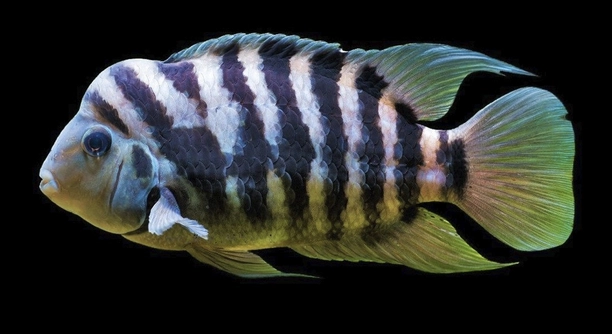
Many people enjoy keeping African cichlids because of their vibrant colors and active behavior. These fish need specific care to thrive in home aquariums. New owners often face challenges when learning how to maintain their tanks properly.
Successful care of African cichlids depends on providing the right water conditions, a balanced diet, and proper tank setup. Maintaining stable water parameters and regular cleaning routines helps ensure their health and longevity.
Knowing these basic steps will help you build confidence as you care for your new fish and create a suitable environment for them to flourish.
Setting Up the Right Tank Environment
Choosing the right tank size and equipment is essential for African cichlids. These fish are active swimmers and need plenty of space to move around. A tank of at least 30 gallons is recommended for a small group. Use a good quality filter to keep the water clean and well-oxygenated. African cichlids prefer rocky decorations and hiding spots, so adding stones and caves will help them feel secure. Avoid sharp objects that could hurt the fish. The substrate should be sand or fine gravel, as they like to dig. Proper lighting is important but avoid direct sunlight to prevent algae growth. Maintaining a stable water temperature between 75 and 82°F supports their health. Regular testing of water parameters like pH and hardness will keep the environment balanced. This setup reduces stress and helps the fish show their natural colors and behaviors.
Regular tank maintenance is necessary to keep the environment healthy for your cichlids.
With the right setup, your tank will be a safe and comfortable home where your cichlids can thrive. Attention to detail in the tank environment minimizes illness and aggressive behavior. Rock formations not only enhance the look but also provide territories for the fish, reducing conflicts. Keeping water conditions stable prevents stress-related diseases, which are common in new fish tanks. Consistent care helps the fish settle in quickly and promotes their vibrant appearance. Spending time to create a balanced habitat makes a big difference in how well your cichlids adapt and grow. Remember that these fish come from specific natural habitats, so mimicking those conditions supports their well-being. Good filtration and aeration work together to keep water clean and oxygen-rich. Overall, careful planning and maintenance form the foundation for a healthy, lively aquarium.
Feeding Your African Cichlids Properly
A balanced diet is key to your cichlids’ health and color.
Feeding African cichlids a mix of high-quality pellets, flakes, and occasional live or frozen foods provides necessary nutrients. Avoid overfeeding, as leftover food can harm water quality. Feed small amounts two to three times daily to maintain their health and vitality. Proper nutrition supports growth, coloration, and immune function.
Monitoring Water Quality
Regular testing of water quality is essential for African cichlids’ health. Key parameters include pH, ammonia, nitrite, and nitrate levels.
Keeping the water clean means testing at least once a week. African cichlids prefer a pH between 7.8 and 8.6. Ammonia and nitrite should always be at zero, while nitrates should stay below 20 ppm. Sudden changes can stress fish and cause illness. Using a reliable test kit helps track these levels. Partial water changes of 20-30% weekly help maintain good water quality and remove toxins. This routine keeps the fish comfortable and reduces health problems.
Good filtration and aeration support stable water conditions. Avoid overcrowding the tank, which can increase waste and harm water quality. Monitoring and adjusting water parameters protects your cichlids and keeps their colors bright.
Managing Aggression Among Cichlids
Aggression is common with African cichlids but can be managed by providing enough space and hiding places. Overcrowding usually increases fights, so keep the tank balanced. Introducing fish of similar size and temperament helps reduce conflicts. Adding rocks and caves creates territories, giving each fish a space to claim.
Maintaining a proper male-to-female ratio lowers aggression. Usually, one male per several females works best. Feeding regularly and avoiding sudden changes in the tank reduces stress and aggression. Observing the fish behavior lets you spot early signs of bullying. When fights occur, separating the most aggressive fish can prevent injury. Keeping water parameters stable also helps minimize tension, as stressed fish tend to act out more. Consistent care and a well-planned tank setup help maintain peace among your cichlids.
Recognizing Common Diseases
African cichlids can suffer from common illnesses like ich, fin rot, and bacterial infections. Early signs include white spots, torn fins, or lethargy.
Prompt treatment helps prevent serious health problems. Quarantine new fish before adding them to the main tank to reduce disease risk.
Quarantining New Fish
Quarantining new fish is vital to protect your main tank. Use a separate tank for at least two weeks to monitor for illness. This prevents spreading infections to your established cichlids.
Choosing Compatible Tankmates
Not all fish get along with African cichlids. Choose tankmates that can handle similar water conditions and temperaments. Avoid small, slow, or peaceful species that may become targets.
Maintaining Consistent Lighting
Consistent lighting helps regulate fish behavior and health. Use a timer to keep lighting on for about 10–12 hours daily, mimicking natural day cycles.
FAQ
How often should I change the water in my African cichlid tank?
Regular water changes are important for a healthy tank. It is best to change about 20-30% of the water every week. This helps remove waste, reduce toxins, and keep water parameters stable. More frequent changes may be needed if the tank is overcrowded or if water tests show poor quality. Always use treated water to avoid adding harmful chemicals like chlorine. Keeping a schedule helps maintain a clean environment and healthy fish.
What is the best diet for African cichlids?
A balanced diet is essential for good health and vibrant colors. High-quality cichlid pellets or flakes should form the base of their diet. Supplement with live, frozen, or freeze-dried foods like brine shrimp, bloodworms, or daphnia for protein. Avoid feeding too much plant matter unless you keep herbivorous species. Feeding small amounts two to three times a day prevents overfeeding and reduces waste buildup. Variety in diet supports overall nutrition and keeps fish active.
Why are my cichlids showing aggression?
Aggression is common because African cichlids are territorial. It increases when the tank is overcrowded or lacks enough hiding spots. To reduce fighting, provide caves and rock formations for territories. Maintain a proper male-to-female ratio, usually one male for every three or four females. Feeding on time and monitoring water quality also reduce stress, which can worsen aggression. Separating overly aggressive fish may be necessary to prevent injury.
How do I know if my fish are sick?
Look for signs like white spots, clamped fins, unusual swimming patterns, loss of appetite, or faded colors. Fin rot causes ragged fins, while ich appears as tiny white spots on the body. Lethargy and hiding more than usual can also signal illness. Early detection is important to treat problems before they worsen. Quarantine new fish and maintain good water quality to prevent diseases.
Can African cichlids live with other fish?
African cichlids are aggressive and territorial, so tankmate choice is important. Choose fish with similar size, temperament, and water needs. Avoid small, slow-moving, or peaceful fish that may be bullied. Suitable tankmates include other robust African cichlids or larger, fast-moving species. Always monitor interactions closely when adding new fish.
What water conditions do African cichlids need?
These fish prefer hard, alkaline water with a pH between 7.8 and 8.6. Temperature should be stable, ideally between 75°F and 82°F. Regular testing of ammonia, nitrite, and nitrate levels is essential. Ammonia and nitrite must be zero, and nitrates should stay below 20 ppm. Proper filtration, aeration, and partial water changes help maintain these conditions.
How big should my tank be?
A minimum of 30 gallons is recommended for a small group of African cichlids. Larger tanks allow more space for territories, reducing aggression. Overcrowding increases stress and water quality issues. Consider the number and size of fish when selecting tank size to provide enough room for comfortable swimming and hiding spots.
What decorations are best for African cichlids?
Use rocks, caves, and sturdy decorations to create hiding spots and territories. Sand or fine gravel substrate works best, as these fish like to dig. Avoid sharp or fragile decorations that could injure the fish. Decorations help reduce stress and aggression by providing places to retreat. Arrange the tank to mimic their natural rocky habitat for better comfort.
How long do African cichlids live?
With proper care, African cichlids can live 8 to 10 years or more. Good water quality, balanced diet, and a stable environment contribute to their lifespan. Avoid overcrowding and reduce stress to help them stay healthy longer. Regular tank maintenance and disease prevention also play important roles.
Is it necessary to quarantine new fish?
Yes, quarantining new fish before adding them to the main tank helps prevent disease outbreaks. Use a separate tank for at least two weeks to observe signs of illness. Treat any problems before mixing new fish with your established group. Quarantine protects both new and existing fish from infections.
Caring for African cichlids can be very rewarding, but it requires attention to their specific needs. These fish thrive best when kept in the right environment with stable water conditions. Making sure their tank is clean and properly set up helps prevent common problems. Regular water testing, proper filtration, and good aeration keep the water healthy and comfortable for your fish. A balanced diet and managing aggression also play important roles in their well-being. When these basics are followed, African cichlids show their vibrant colors and active personalities, making the effort worthwhile.
It is important to be patient and consistent when caring for African cichlids. They can be sensitive to sudden changes in water quality or temperature, so gradual adjustments work best. Monitoring their behavior and appearance regularly can help catch any health issues early. Quarantining new fish before introducing them to the main tank reduces the risk of spreading disease. Taking these preventive steps helps maintain a peaceful and healthy aquarium. Over time, learning the unique habits of your cichlids will make it easier to provide the care they need.
Finally, creating a comfortable home for African cichlids is a balance of good equipment, proper feeding, and maintaining water quality. These fish appreciate space and hiding spots, which help reduce stress and aggression. Avoid overcrowding to keep a calm environment. Consistent care and observation allow your fish to thrive and live longer. With attention to detail and patience, owning African cichlids can be an enjoyable and fulfilling experience. Their lively behavior and striking colors add beauty to any aquarium setup.

Hello,
If you enjoy the content that we create, please consider saying a "Thank You!" by leaving a tip.
Every little bit helps us continue crafting quality advice that supports the health, happiness, and well-being of pets around the world, for pets of all shapes, sizes, and species.
We really appreciate the kindness and support that you show us!