
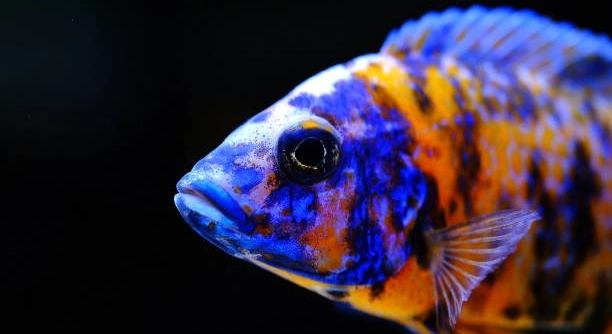
African cichlids are popular aquarium fish known for their bright colors and active behavior. Many fish keepers find themselves interested in how these fish manage their offspring. Understanding their care habits can enhance the aquarium experience.
African cichlids exhibit parental care behaviors that vary by species. Most are known to protect their eggs and fry by guarding nests or carrying young in their mouths until they are ready to survive independently. This care increases offspring survival rates.
Learning about these care patterns helps fish enthusiasts provide better environments. Knowing how cichlids nurture their young can improve both breeding success and overall fish health.
How African Cichlids Care for Their Young
African cichlids show a variety of parenting behaviors, depending on the species. Some dig pits or create nests in the substrate where females lay eggs. After fertilization, one or both parents guard the eggs closely, chasing away any threats. Many cichlids are mouthbrooders, meaning the female or male carries eggs and fry in their mouths for protection. This protects the young from predators and environmental hazards. During this period, the parent may not eat and focuses solely on the safety of their offspring. Once the fry are free-swimming, parents continue to guard them until they are large enough to survive alone. This level of care improves the survival rate of the young fish in the wild and in captivity. Providing an environment that supports these natural behaviors helps cichlids thrive and successfully raise their young.
Parental care in African cichlids is essential for the survival of their offspring. Without this care, many fry would not survive early life stages.
Recognizing the type of care your cichlids provide allows you to support their natural instincts. For mouthbrooders, avoid disturbing the parent during brooding. For substrate spawners, maintaining clean, secure tank areas ensures eggs and fry are protected. Observing these behaviors can also inform how to set up your aquarium. A tank with plenty of hiding spots helps fry stay safe once they are free swimming. Keeping water conditions stable reduces stress on both parents and young. These small steps create a better environment for successful breeding and raising of healthy fish.
Supporting African Cichlid Parenting in Captivity
African cichlids require proper tank conditions to care effectively for their young.
Tank setup is critical for successful parenting. Clean water and stable temperature help reduce stress. Adding rocks, caves, or plants gives parents places to build nests or hide fry. Avoid overcrowding, as it can cause aggression and reduce care quality. Feeding a balanced diet keeps parents healthy and able to protect their offspring. Monitoring the tank during breeding helps spot problems early, such as aggression or egg predation. Sometimes, separating fry or providing a breeding tank improves survival rates. Each species has slightly different needs, so research specific care practices for your cichlids. Proper care in captivity ensures natural parenting behaviors can take place, leading to better outcomes for the young fish.
Common Challenges in Raising African Cichlid Fry
Raising African cichlid fry can be challenging due to their vulnerability and the parents’ aggressive behavior. Fry may be at risk from other fish or even their own parents if the tank conditions are stressful.
Fry are small and delicate, requiring clean water and gentle care. In crowded tanks, adult cichlids may attack or eat the young. Sometimes, parents become overly aggressive and harm their offspring unintentionally. Maintaining good water quality and providing plenty of hiding spots helps protect fry. Regular water changes reduce harmful bacteria, which can quickly spread in the tank. Separating fry into a breeding tank can also increase survival rates, giving them space away from adults. Feeding fry small, nutritious food supports their growth during this fragile stage.
Patience and observation are important when raising cichlid fry. Understanding their behavior and tank needs allows adjustments that improve survival. Using breeding tanks or dividers prevents adult aggression and ensures fry can develop safely. Keeping stress low helps both parents and young thrive. Small efforts make a big difference in successfully raising healthy cichlids.
Feeding Young African Cichlids
Feeding young cichlids requires attention to size and nutrition. Small, frequent feedings support their rapid growth.
Young cichlids need foods they can easily consume and digest. Many fry start on finely crushed flakes or powdered foods designed for small fish. As they grow, introducing live or frozen foods such as baby brine shrimp or daphnia helps provide essential proteins. Feeding should be done several times a day in small amounts to prevent leftover food from polluting the tank. Overfeeding can lead to poor water quality, which is harmful to fry. Clean water is just as important as proper nutrition for healthy development.
Proper feeding helps young cichlids build strong immune systems and grow quickly. Nutritional balance supports vibrant colors and activity levels as they mature. Gradually increasing food size encourages natural hunting behavior. Monitoring their eating habits also helps detect early health issues. Good feeding routines, combined with a safe environment, give young African cichlids the best chance to thrive.
Signs of Healthy Fry
Healthy African cichlid fry are active and responsive to their environment. They swim steadily and show interest in food, which indicates good development.
Clear eyes, smooth scales, and steady breathing are also signs of healthy fry. Any signs of lethargy or discoloration may indicate stress or illness and should be addressed promptly.
When to Separate Fry from Parents
Separating fry from their parents is sometimes necessary to protect them. This usually happens when parents show aggression or fry become large enough to compete for space.
Using breeding boxes or separate tanks helps reduce risk of injury. It also allows better control of feeding and water conditions, improving fry survival during critical growth phases.
Tank Size and Setup for Fry
A tank of at least 20 gallons is ideal for raising African cichlid fry. This provides enough space for growth and reduces stress from overcrowding. Proper filtration and aeration are also important to maintain water quality.
Common Diseases Affecting Fry
Fry are vulnerable to diseases like fungal infections and ich. Keeping the tank clean and monitoring water parameters helps prevent these issues. Early treatment improves chances of recovery.
How long do African cichlids care for their young?
African cichlids care for their young from the moment the eggs are laid until the fry can survive independently. This period usually lasts from two to four weeks, depending on the species. Mouthbrooders hold their young in their mouths for protection during the first one to three weeks, releasing them only when the fry can swim and feed on their own.
Do all African cichlid species exhibit parental care?
Most African cichlid species show some form of parental care, but the level varies. Some species are substrate spawners, guarding their eggs and fry by building nests and chasing away predators. Others are mouthbrooders, carrying eggs and fry in their mouths to protect them. However, a few species provide minimal care, leaving the eggs and fry more vulnerable.
Can parents harm their fry?
Yes, parental aggression can sometimes harm fry. In crowded or stressful tank conditions, parents may become aggressive and attack or eat their young. This is why tank setup and environment management are crucial for successful breeding. Providing enough space and hiding spots reduces stress and prevents harmful behavior.
Is it necessary to separate fry from parents?
Separating fry from parents is not always necessary but can improve survival rates in some cases. If parents become aggressive or the tank is overcrowded, moving fry to a separate breeding tank helps protect them. This also allows for better control over feeding and water quality, supporting healthy growth.
What is the best food for African cichlid fry?
The best food for fry is small, easily digestible, and nutritious. Finely crushed flakes or powdered fry food are good starters. Live or frozen baby brine shrimp, daphnia, and micro worms are excellent protein sources that promote healthy growth. Feeding should be frequent but in small amounts to avoid water pollution.
How often should I feed the fry?
Fry should be fed multiple times a day, usually three to four small feedings. Frequent feeding supports their rapid metabolism and growth. Overfeeding should be avoided because uneaten food can quickly degrade water quality, leading to health problems.
What tank conditions help African cichlid parents care for their young?
Stable water temperature, clean water, and low stress are important. The tank should have plenty of hiding spots and secure areas for nests or fry refuge. Avoid overcrowding and aggressive tank mates. Regular water changes and good filtration maintain healthy conditions for both parents and fry.
How do I know if the fry are healthy?
Healthy fry swim actively, respond to food, and have clear eyes with smooth scales. Lethargy, discoloration, or unusual behavior can indicate stress or illness. Observing fry regularly allows early detection of health problems and timely action.
Can African cichlids care for multiple batches of fry simultaneously?
It is possible but challenging. Parents may focus care on one batch and neglect or eat others. In captivity, managing breeding cycles carefully and separating batches when needed helps prevent loss. Overlapping broods require careful monitoring to ensure all fry receive adequate protection.
What are common diseases affecting African cichlid fry?
Fungal infections, ich, and bacterial diseases are common. Poor water quality and stress increase vulnerability. Maintaining cleanliness and stable conditions lowers disease risk. Early treatment with appropriate medication is essential if signs of illness appear.
How quickly do African cichlid fry grow?
Growth rate depends on species, diet, and tank conditions but typically fry reach juvenile size within a few months. Proper nutrition and low-stress environments speed growth. Slow growth can indicate poor water quality or inadequate feeding.
Are there differences between maternal and paternal care?
Yes, some species have maternal care where females carry or guard fry, while others have paternal care with males guarding nests or fry. In some cases, both parents share responsibilities. Understanding your species’ behavior helps tailor tank setup and care practices.
What should I avoid when caring for African cichlid fry?
Avoid overcrowding, sudden changes in water conditions, and mixing aggressive tank mates with fry. Handling or disturbing brooding parents can cause stress or abandonment of young. Overfeeding or poor water maintenance leads to unhealthy conditions.
Is it possible for African cichlids to raise their young without any help from the keeper?
In a well-maintained tank that mimics natural conditions, many species can successfully raise young without intervention. However, providing proper tank setup, diet, and monitoring improves success rates significantly. Sometimes, intervention is needed to separate fry or control aggression.
African cichlids show interesting and varied ways of caring for their young. Depending on the species, their parenting methods can include guarding eggs, creating nests, or carrying fry in their mouths. These behaviors help protect the young fish from threats and increase their chances of survival. Understanding these natural instincts is important for anyone keeping cichlids in an aquarium. It allows the keeper to provide the right environment and support, making it easier for the fish to successfully raise their offspring. The care African cichlids give to their young is a key part of their biology and plays a big role in their survival both in the wild and in captivity.
Successful breeding and raising of African cichlid fry require attention to tank conditions, diet, and behavior. Clean water, stable temperature, and plenty of hiding places help reduce stress for both parents and young fish. Feeding fry small, nutritious meals multiple times a day supports their growth and development. Watching for signs of aggression or illness and acting quickly when problems arise can improve survival rates. Sometimes it may be necessary to separate fry from adults to prevent harm. Each of these factors contributes to a healthier environment, allowing cichlids to naturally perform their parenting roles. Keeping these points in mind helps create a balanced aquarium that supports the needs of all fish.
It is important to remember that African cichlids vary widely, so their parenting behaviors and needs may differ between species. Learning about the specific type of cichlid you have will help you provide the best care. Observing your fish closely and adjusting the tank setup when needed will improve outcomes for both parents and fry. Although raising young cichlids can be challenging, it is rewarding to see healthy fry grow into strong, vibrant adult fish. With patience and proper care, African cichlids can successfully care for their young, making them a fascinating addition to any aquarium.

Hello,
If you enjoy the content that we create, please consider saying a "Thank You!" by leaving a tip.
Every little bit helps us continue crafting quality advice that supports the health, happiness, and well-being of pets around the world, for pets of all shapes, sizes, and species.
We really appreciate the kindness and support that you show us!