
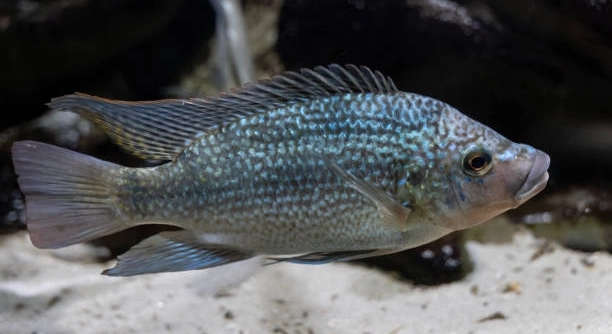
African cichlids are popular aquarium fish known for their vibrant colors and active behavior. When feeding, many owners notice their cichlids shaking or trembling, which can seem unusual. This behavior often raises questions about what it means.
The shaking motion observed in African cichlids during feeding is a natural behavior related to their feeding technique and instinctive responses. It may help them process food, dislodge debris, or communicate with other fish. This shaking is generally harmless and typical for the species.
Understanding why these fish shake while eating can help owners better care for them and recognize normal behavior from potential health issues. This article will explain the reasons behind this interesting feeding habit.
Why African Cichlids Shake When Eating
African cichlids shake while eating mostly due to their natural feeding habits. This shaking helps them break down food or remove unwanted particles from their mouths. In the wild, these fish often sift through sand or gravel to find food. The shaking motion helps to separate edible bits from debris. It is also a way for them to manage and position food better before swallowing. This behavior is not a sign of stress or illness but rather an instinctive action that supports their feeding process. Watching them shake can seem odd at first, but it is quite normal for their species. Understanding this can help you feel more confident about their health when you see it in your aquarium.
This shaking is especially common during feeding times and tends to stop once the fish finishes eating. It is a natural part of their routine.
Many aquarium owners worry that the shaking might mean something is wrong. However, it is usually just the fish’s way of handling food efficiently. It also helps them avoid choking or swallowing anything harmful. If the shaking is accompanied by other signs like lethargy or loss of appetite, then it might be time to check their water quality or health. But in most cases, this shaking is a healthy and normal part of how African cichlids eat.
How Feeding Habits Affect Cichlid Behavior
The way African cichlids eat impacts their daily behavior. Feeding time often brings out their active and lively nature. These fish can be quite particular about how they eat and handle their food.
Feeding behavior is linked to the environment and diet of the fish. In a well-maintained tank with proper food, cichlids show regular shaking during feeding without any other signs of distress. However, if their diet lacks variety or quality, this behavior can change.
Proper feeding also influences their social interactions. Cichlids are known for their territorial behavior, and feeding can increase competition among them. The shaking might also be a subtle way of asserting control or signaling to other fish. Giving them a balanced diet and feeding in a way that reduces stress will help maintain their natural behaviors.
By understanding how feeding impacts their behavior, you can create a healthier and more comfortable environment for your cichlids. This reduces unnecessary stress and helps the fish stay vibrant and active. Observing these patterns closely allows you to spot when something is different and act accordingly. It also makes feeding time more enjoyable for both the fish and the owner.
Common Causes of Shaking During Feeding
Shaking in African cichlids during feeding is mostly linked to natural behaviors or minor irritations. It can also result from the way food is given or from environmental factors.
One common cause is the texture or size of the food. If the pieces are too large or hard, cichlids may shake to break it down before swallowing. This helps avoid choking or discomfort. Sometimes, shaking helps clear debris or unwanted particles caught in their mouths. Another reason can be the fish adjusting food inside their mouths for easier consumption.
Environmental factors like water quality can also influence this behavior. Poor water conditions may cause slight irritation, making the fish shake more frequently. Feeding habits, such as overfeeding or sudden changes in diet, may add stress, resulting in shaking. Monitoring these aspects helps reduce unnecessary shaking and keeps the fish healthy.
Signs to Watch For in Shaking Behavior
Not all shaking is harmless. Sudden, intense shaking paired with other symptoms could signal health issues. Pay attention to changes in appetite, color, or activity.
If shaking is accompanied by rapid gill movement, loss of balance, or clamped fins, it may indicate stress or illness. These signs can point to infections, parasites, or poor water conditions. Such symptoms require prompt action, including water testing and possibly consulting a vet.
On the other hand, mild shaking during feeding that stops shortly after is usually normal. Knowing the difference helps prevent unnecessary worry and keeps your fish safe. Keeping a close eye on behavior changes allows timely care and intervention.
How to Reduce Shaking During Feeding
Adjusting feeding techniques can help minimize shaking. Offering smaller, softer food pieces makes it easier for cichlids to eat without struggling. This reduces the need for shaking to break down food.
Feeding in calm, quiet conditions also helps. Avoid sudden movements or loud noises around the tank during feeding times, as stress can increase shaking behavior.
Best Foods for African Cichlids
Providing a varied diet with high-quality pellets, flakes, and occasional live or frozen foods supports healthy feeding habits. These foods are easier for cichlids to handle, reducing the need to shake while eating.
Balanced nutrition supports their immune system and overall health, preventing irritation or discomfort that might cause excessive shaking.
Monitoring Tank Environment
Consistently check water parameters like pH, temperature, and ammonia levels. Maintaining a clean, stable environment helps keep your cichlids comfortable during feeding.
Healthy water conditions reduce stress and limit shaking caused by irritation or poor habitat quality.
Feeding Frequency Tips
Feed your cichlids small portions two to three times daily. Avoid overfeeding, which can lead to food buildup and water quality issues, increasing shaking behavior.
FAQ
Why do African cichlids shake only during feeding?
African cichlids shake during feeding as a natural way to handle food. This movement helps them break down larger pieces or separate edible parts from debris. It is also part of their instinctive behavior when they sift through substrate in the wild. Shaking is generally limited to feeding times because it’s directly related to processing food.
Is shaking a sign of illness in my cichlids?
Shaking alone is not usually a sign of illness. It’s normal behavior during feeding. However, if shaking comes with other symptoms like lethargy, loss of appetite, color changes, or abnormal swimming, it could indicate health problems. Monitoring your fish closely will help you spot if something is wrong early on.
Can the type of food cause shaking?
Yes, the type and size of food can influence shaking. Hard or large food pieces may cause fish to shake more to break down the food. Softer or smaller pieces are easier to eat and reduce shaking. Offering a varied and appropriate diet supports better feeding behavior.
Does water quality affect shaking?
Poor water quality can irritate fish and increase shaking. High ammonia, nitrite, or incorrect pH levels can stress cichlids, causing unusual behavior. Regular water testing and maintenance keep the environment healthy and reduce stress-related shaking.
Should I be concerned if my cichlid shakes a lot?
Frequent shaking paired with other unusual signs may require attention. If your fish shakes constantly, seems stressed, or shows physical symptoms like fin clamping or rapid breathing, test the water and consider consulting an aquatic specialist.
How can I reduce shaking in my aquarium?
Use smaller, softer foods and feed in calm conditions. Avoid overfeeding and maintain clean water. These steps reduce stress and discomfort during feeding, lowering shaking frequency.
Is shaking common in all cichlid species?
Shaking during feeding is more common in African cichlids due to their natural behaviors. Other cichlid species may show similar but less frequent shaking. It largely depends on their feeding style and environment.
Can shaking lead to injury?
Shaking itself is unlikely to cause injury unless the fish is stressed or trying to remove something harmful. Observing your fish ensures that shaking is part of normal behavior and not a response to pain or irritation.
Does feeding frequency impact shaking?
Feeding too much or too little can increase stress and cause shaking. Feeding small portions two to three times daily keeps fish comfortable and reduces excessive shaking.
Is shaking linked to territorial behavior?
Shaking during feeding is mostly related to eating habits rather than territorial aggression. However, competition at feeding time can increase stress and slight shaking in some fish.
Should I isolate a shaking fish?
Isolating a fish should only be done if you see signs of illness or injury. Normal shaking during feeding doesn’t require isolation. Keeping fish in a stable social environment supports their well-being.
Can stress cause shaking in African cichlids?
Yes, stress from overcrowding, poor water conditions, or sudden changes can increase shaking behavior. Managing the tank environment and social group helps keep stress levels low.
Does temperature affect shaking?
Extreme water temperatures can cause discomfort and lead to shaking. Keeping the tank within the recommended temperature range for African cichlids ensures their comfort during feeding and daily activities.
What is the best way to observe shaking behavior?
Watch your cichlids during feeding in a calm setting. Note how long and how often they shake. Occasional shaking is normal, but persistent or intense shaking may need investigation.
Are there any supplements to reduce shaking?
Supplements are not typically needed to address shaking unless caused by poor health or diet. Focus on good water quality, balanced feeding, and stress reduction to maintain healthy behavior.
African cichlids shaking during feeding is a natural and common behavior. This shaking helps them manage their food, whether by breaking it down or removing unwanted particles. It is part of their instinctive way to eat and is seen often when they are given larger or harder pieces of food. Most of the time, this behavior is harmless and does not indicate any health problems. Understanding that this shaking is normal can help aquarium owners feel more comfortable when they observe it in their fish.
While shaking is usually not a cause for concern, it is important to watch for other signs that might indicate stress or illness. Changes in appetite, color, or swimming behavior alongside shaking could suggest a problem. Water quality plays a big role in the health and behavior of African cichlids. Keeping the tank clean and maintaining proper water conditions helps reduce stress and prevents shaking caused by irritation. Feeding the fish appropriate food in the right amounts is also essential. Smaller, softer foods can reduce the need for shaking and make feeding times smoother for the fish.
Overall, caring for African cichlids involves paying attention to their natural behaviors, including shaking during feeding. Providing a balanced diet, stable water conditions, and a calm environment helps keep the fish healthy and comfortable. Watching how your fish behave over time allows you to notice any changes that might need attention. Shaking is usually a sign of their natural feeding habits, but knowing when it might mean something else is key to good fish care. With proper care, African cichlids can thrive and show their vibrant colors and lively personalities.

Hello,
If you enjoy the content that we create, please consider saying a "Thank You!" by leaving a tip.
Every little bit helps us continue crafting quality advice that supports the health, happiness, and well-being of pets around the world, for pets of all shapes, sizes, and species.
We really appreciate the kindness and support that you show us!