
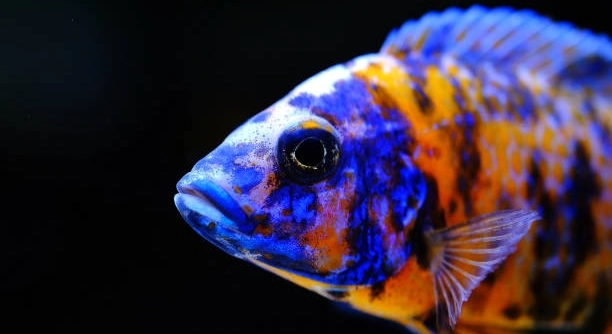
African cichlids are popular freshwater fish known for their vibrant colors and active behavior. Observing them interact with their environment often reveals curious actions like flashing against objects. This behavior can be puzzling for many aquarium enthusiasts.
Flashing against objects in African cichlids is typically a response to irritation, parasites, or stress. This action helps the fish relieve discomfort by scraping or rubbing their bodies against surfaces, which can aid in removing external irritants or parasites.
Understanding why these fish exhibit this behavior can improve their care and wellbeing. The following information explains common causes and how to respond effectively to flashing behavior.
Common Causes of Flashing in African Cichlids
Flashing in African cichlids often happens because of irritation on their skin or fins. This irritation can come from tiny parasites that attach to the fish, causing discomfort. Sometimes, poor water quality can lead to skin problems, making the fish rub against objects to ease the itch. Stress is another factor. Changes in the tank environment, aggressive tank mates, or overcrowding can cause fish to feel uneasy and display flashing behavior. In some cases, minor injuries or infections prompt this action as the fish tries to soothe itself. Recognizing these causes early can help maintain the fish’s health and reduce flashing incidents. Regular water testing, proper tank maintenance, and observing fish behavior closely are important steps to prevent problems that cause flashing.
Flashing is mostly linked to irritation or stress and serves as a way for fish to find relief.
Proper care and attention to the tank environment can greatly reduce flashing behavior and support healthier fish.
How to Respond to Flashing Behavior
When flashing is noticed, first check the water quality by measuring ammonia, nitrite, nitrate, and pH levels. Poor water conditions are a frequent cause of skin irritation. Performing regular water changes and maintaining filtration can improve the environment. Inspect the fish carefully for visible signs of parasites or damage. If parasites are suspected, treatment with appropriate medications should be started. Reducing stress by ensuring compatible tank mates and providing hiding spots helps the fish feel secure. Avoid overcrowding the tank to minimize aggression and stress. Keeping the tank clean and stable supports the fish’s immune system, allowing it to recover from irritation faster. Paying close attention to these factors can prevent flashing from becoming a serious problem and promote a peaceful aquarium.
Signs That Flashing Indicates a Serious Problem
Not all flashing is harmless. Frequent or intense flashing, combined with lethargy, loss of appetite, or visible sores, may signal a deeper health issue. Immediate action is needed to prevent further harm.
Watching for other signs helps identify if flashing is a symptom of disease. For example, parasites often cause rapid flashing paired with clamped fins or scratching at the water surface. Bacterial infections can lead to redness, swelling, or ulcers near the flashing areas. If flashing occurs after introducing new fish or plants, quarantine measures may be necessary to avoid spreading illness. Noticing behavioral changes alongside flashing points to stress or poor conditions. Understanding these indicators can make a big difference in addressing problems early.
Ignoring serious symptoms can worsen fish health. Promptly diagnosing the cause and applying the right treatment supports recovery. A clean tank and stable environment reduce the risk of recurring issues. Being attentive ensures your cichlids remain active and vibrant without constant discomfort.
Preventing Flashing Through Tank Care
Maintaining stable water conditions is essential to prevent flashing. Regular water testing and changes keep ammonia and nitrite levels safe for fish health.
Proper filtration and avoiding overcrowding reduce stress and potential irritation. Providing hiding spots with decorations or plants helps cichlids feel secure, lowering stress-driven flashing. Feeding a balanced diet strengthens the immune system, making fish less vulnerable to infections. Routine cleaning of the tank gravel and removing uneaten food prevents harmful bacteria buildup. Introducing new fish slowly with quarantine prevents disease introduction. Consistency in temperature and pH reduces environmental stress. Overall, attention to these tank care details creates a healthy habitat, reducing the chance of flashing caused by irritation or illness.
Physical Injuries and Flashing
Physical injuries from sharp decorations or aggressive tank mates can cause flashing. The fish rubs against objects to relieve discomfort from wounds or bruises.
Preventing injuries by using smooth decorations and monitoring fish behavior can reduce flashing caused by physical harm.
Parasites and Their Impact
Parasites like ich or flukes attach to the fish’s skin, causing irritation and flashing. These tiny organisms can be hard to spot but often lead to increased flashing as the fish tries to remove them. Treating the tank promptly with anti-parasitic medication is necessary to protect fish health and stop the behavior.
Stress Factors in Cichlids
Stress from overcrowding or sudden changes in water conditions triggers flashing. Reducing stress helps lower this behavior quickly.
Monitoring and Maintenance Tips
Regular observation of fish and routine tank maintenance are crucial for catching problems early and preventing flashing.
FAQ
Why do African cichlids flash more after a water change?
Flashing after a water change can happen if the water parameters have shifted suddenly. Changes in temperature, pH, or hardness might irritate the fish’s skin. To avoid this, try to match new water closely to the tank’s current conditions and perform gradual water changes. Sudden changes stress the fish, making them rub against objects.
Can flashing be caused by poor diet?
Yes, a poor diet weakens the immune system, making fish more susceptible to infections and parasites that cause flashing. Providing a balanced diet rich in vitamins and minerals supports skin health and reduces flashing triggered by illness or irritation.
Is flashing normal behavior for all cichlids?
Flashing can occur in many cichlid species, but it is not always normal. Occasional flashing to remove minor irritants may happen, but frequent or intense flashing usually signals a problem. It’s important to monitor the behavior and tank conditions closely.
How can I tell if flashing is caused by parasites?
Parasite-caused flashing often comes with other signs like white spots, clamped fins, or lethargy. Fish may also scrape against the substrate or decorations more aggressively. A careful inspection and, if needed, testing of the water and fish can confirm parasites.
What treatments are safe for flashing caused by parasites?
Medications like formalin, copper-based treatments, or praziquantel are commonly used to treat parasites in cichlids. Always follow dosage instructions carefully and remove activated carbon from filters during treatment, as it can absorb medications. Quarantining infected fish helps prevent spreading.
Can aggressive tank mates cause flashing?
Yes, aggressive fish can stress cichlids, leading to flashing as a stress response. They might also cause physical injuries by nipping fins or chasing, which increases flashing behavior. Providing enough space and compatible tank mates helps reduce aggression.
Is flashing related to breeding behavior?
Sometimes flashing can appear during breeding, especially if the fish is cleaning a chosen spot for eggs or signaling readiness. However, this type of flashing is usually brief and less intense compared to flashing caused by irritation or illness.
How often should I clean my tank to prevent flashing?
Regular tank maintenance, including weekly partial water changes and gravel vacuuming, keeps water quality high and reduces irritation causes. Over-cleaning can stress fish, so balance is key. Consistency in cleaning prevents buildup of harmful substances that trigger flashing.
When should I seek professional help for flashing?
If flashing persists despite good water quality and treatment, or if fish show signs of worsening health like ulcers or constant hiding, it’s time to consult an aquatic veterinarian or specialist. Early professional advice can prevent serious complications.
Can flashing cause permanent damage?
If flashing is frequent and intense, it can cause skin damage, infections, and stress that weaken the fish. Proper care and treatment prevent long-term harm. Ignoring flashing increases risks, so addressing the root cause quickly is important.
African cichlids flashing against objects is a behavior that often signals discomfort or irritation. It is important to recognize that this action is usually a way for the fish to cope with external issues such as parasites, poor water conditions, or stress. By understanding why flashing happens, aquarium owners can better respond to their fish’s needs and provide a healthier environment. Taking care of water quality and monitoring fish behavior regularly helps reduce the chances of flashing becoming a serious problem.
Maintaining a stable and clean tank environment is key to preventing flashing caused by irritation or stress. Regular water testing, proper filtration, and balanced nutrition all contribute to keeping African cichlids healthy and comfortable. It is also important to observe interactions among tank mates, as aggressive behavior or overcrowding can increase stress and trigger flashing. Ensuring that decorations are smooth and safe prevents accidental injuries that may cause fish to rub against objects. Small adjustments in care routines often make a big difference in reducing flashing behavior.
Flashing should not be ignored, especially if it happens frequently or is accompanied by other signs of illness. Promptly identifying and treating underlying causes like parasites or infections supports the fish’s recovery and long-term health. Watching for changes in behavior, appetite, or appearance helps detect problems early. Overall, consistent care and attention create an environment where African cichlids can thrive without discomfort. Knowing what causes flashing and how to address it leads to a more enjoyable and successful aquarium experience.

Hello,
If you enjoy the content that we create, please consider saying a "Thank You!" by leaving a tip.
Every little bit helps us continue crafting quality advice that supports the health, happiness, and well-being of pets around the world, for pets of all shapes, sizes, and species.
We really appreciate the kindness and support that you show us!