
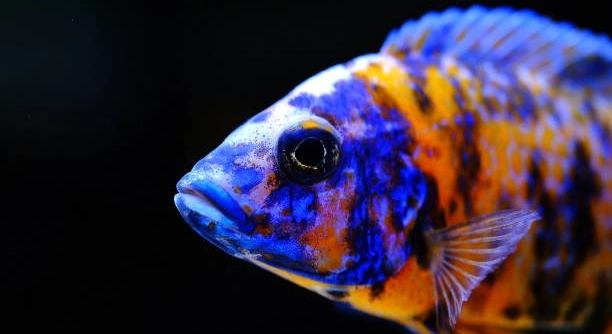
African cichlids are popular for their bright colors and interesting behaviors. Many fish enthusiasts wonder if these vibrant fish can thrive outside in garden ponds. Outdoor ponds offer a unique environment compared to indoor tanks for keeping fish.
African cichlids can be kept in outdoor ponds under specific conditions. These fish require stable water temperatures, proper filtration, and protection from predators to survive and thrive in an outdoor setting. Careful planning and maintenance are essential for their health.
Understanding the right environment and care will help you decide if outdoor ponds are suitable for African cichlids. This article explains what you need to know for successful pond keeping.
Ideal Water Conditions for African Cichlids in Outdoor Ponds
African cichlids come from warm freshwater lakes in Africa, so they need specific water conditions to stay healthy outdoors. The water temperature should stay between 75°F and 82°F (24°C to 28°C) because these fish are sensitive to cold. Sudden temperature changes can stress them, leading to illness. The pond should have good filtration to keep the water clean and clear, as poor water quality affects their health and colors. Maintaining stable pH levels between 7.8 and 8.6 is important because cichlids prefer slightly alkaline water. Also, oxygenation is necessary, so adding aeration devices helps keep oxygen levels sufficient. Since outdoor ponds can be affected by rain and debris, regular water testing and partial water changes are essential to maintain a balanced environment for African cichlids.
Regular monitoring of water temperature, pH, and clarity will support your fish’s well-being and longevity in the pond.
Keeping these water conditions consistent is vital. It creates a stable environment that reduces stress and encourages natural behaviors. Proper water quality also helps prevent diseases. When planning your pond, consider the climate in your area and use heaters or covers if necessary. Adding plants that tolerate the pH range can improve water quality and provide hiding spots. Finally, avoid overcrowding the pond to keep the water parameters balanced and reduce competition among fish.
Protecting African Cichlids from Predators
Outdoor ponds attract birds, raccoons, and other animals that may harm your fish.
To protect your African cichlids, use pond netting or covers. These physical barriers help keep predators away. You can also place hiding places like rocks and dense plants in the pond, giving fish safe spots to retreat. It is important to check the pond regularly for signs of predator visits. Motion-activated lights or sprinklers can deter animals from approaching.
Predator protection is crucial for outdoor ponds, as it directly impacts the survival of your fish. Besides physical barriers, maintaining a secure pond environment includes reducing nearby food sources that attract predators. Ensure pond edges are difficult to access and avoid leaving pet food or garbage close to the pond. Keeping the pond area clean and well-maintained reduces predator interest and helps your African cichlids feel safe. Proper protection allows the fish to thrive without constant stress from threats.
Feeding African Cichlids in Outdoor Ponds
African cichlids need a balanced diet to stay healthy and colorful in outdoor ponds.
Feeding them high-quality pellets or flakes designed for cichlids provides essential nutrients. Supplementing their diet with occasional live or frozen foods like brine shrimp or bloodworms encourages natural hunting behavior. Avoid overfeeding, as leftover food can pollute the water, leading to poor conditions. Feeding small amounts once or twice a day is ideal, adjusting portions depending on water temperature and fish activity.
It’s important to observe how much your fish eat and remove any uneaten food promptly. Adding vegetables like blanched spinach or peas can provide fiber and variety. Proper feeding supports their immune system and vibrant colors. Consistent feeding schedules also help maintain stable water quality by preventing excess waste buildup in the pond.
Choosing Suitable African Cichlid Species for Outdoor Ponds
Not all African cichlids are well-suited for outdoor pond life due to size and temperament differences.
Smaller species like shell dwellers and some mbuna varieties are easier to manage outdoors. They adapt well to stable water conditions and are less aggressive than larger cichlids. Larger species may require more space and careful monitoring to prevent territorial fights. Researching each species’ specific needs is crucial before adding them to your pond.
Consider species that can tolerate your local climate and temperature variations. Some cichlids handle cooler nights better than others, which is important in outdoor settings. Selecting compatible species reduces aggression and stress, promoting a healthier pond environment. Providing adequate hiding spaces also helps reduce conflicts. Choosing the right species ensures your pond stays balanced and enjoyable.
Managing Water Temperature Fluctuations
African cichlids are sensitive to sudden changes in water temperature.
Keeping the pond temperature stable helps prevent stress and illness. Using pond heaters or floating covers can reduce temperature swings, especially in cooler climates.
Common Diseases in Outdoor African Cichlids
Outdoor ponds expose cichlids to parasites and bacterial infections. Signs of disease include lethargy, faded colors, and abnormal swimming. Early detection and prompt treatment with appropriate medication help prevent spread. Maintaining clean water and good nutrition also lowers disease risks.
Pond Maintenance Tips for Healthy Cichlids
Regular cleaning and water testing are essential to keep pond water balanced. Remove debris and excess algae frequently to maintain oxygen levels. Partial water changes every two weeks help keep nitrate and ammonia levels low. Checking filtration equipment ensures it works properly, supporting a healthy habitat.
Avoiding Overcrowding
Too many fish in a pond can cause stress and poor water quality. Keeping a balanced number of cichlids per pond size promotes better health and behavior.
FAQ
Can African cichlids survive cold weather in outdoor ponds?
African cichlids are native to warm climates and do not tolerate cold well. When temperatures drop below 70°F (21°C), their metabolism slows, and they become more vulnerable to disease. In cooler regions, pond heaters or bringing fish indoors during winter is necessary to keep them healthy.
What is the best way to acclimate African cichlids to an outdoor pond?
Slow acclimation is important to reduce stress. Start by floating the fish bag in the pond to equalize temperature. Gradually add pond water to the bag over 30 to 60 minutes. Finally, gently release the fish into the pond, avoiding sudden changes in water conditions.
How often should I clean my outdoor pond for cichlids?
Regular maintenance is key. Remove debris and dead plant matter weekly to prevent water quality issues. Perform partial water changes every two weeks, replacing 10-20% of the water to reduce toxins. Clean or replace filters monthly or as needed to ensure proper filtration.
Can African cichlids live with other fish in outdoor ponds?
Compatibility depends on species and temperament. Some cichlids are territorial and aggressive, especially during breeding. Choose fish that tolerate similar water conditions and avoid slow-moving or small species that may be bullied or eaten. Providing plenty of hiding spots helps reduce conflicts.
What should I do if my African cichlids show signs of illness?
Isolate sick fish to prevent spreading disease. Test water parameters to rule out poor water quality as a cause. Use appropriate treatments such as antibacterial or antiparasitic medications based on symptoms. Consult with a veterinarian or fish specialist if unsure.
How do I control algae growth in an outdoor pond?
Algae thrive in nutrient-rich water with excess sunlight. Control algae by limiting overfeeding, maintaining proper filtration, and adding aquatic plants that compete for nutrients. Using a pond UV clarifier can also help reduce algae blooms without harming fish.
Are African cichlids aggressive towards each other in ponds?
Many African cichlids display territorial behavior. Aggression is common, especially among males during breeding. Avoid overcrowding and provide plenty of rocks and plants to break sightlines and create territories. Selecting compatible species reduces aggression levels.
How long do African cichlids typically live in outdoor ponds?
With proper care, African cichlids can live 8 to 10 years. Good water quality, balanced diet, and a stress-free environment contribute to their longevity. Monitoring health regularly helps catch problems early and extends their lifespan.
Can I breed African cichlids in an outdoor pond?
Breeding is possible if conditions mimic their natural habitat. Provide hiding places and maintain stable water parameters. Males may become more aggressive during breeding, so separating pairs or reducing pond population can help protect fry. Successful breeding requires attention to water quality and temperature.
What plants are safe to include in a pond with African cichlids?
Hardy aquatic plants like Anubias, Java fern, and hornwort are good choices. They tolerate the cichlids’ digging and provide cover. Avoid delicate plants easily uprooted or eaten. Plants improve water quality and give fish places to hide, which lowers stress.
African cichlids can be kept successfully in outdoor ponds, but they require careful attention to their environment. Maintaining stable water conditions such as temperature, pH, and cleanliness is crucial for their health. These fish come from warm lakes and need water that stays within a specific temperature range to avoid stress and illness. Proper filtration and regular maintenance help keep the water quality high, which supports their immune systems and vibrant colors. Without these basics, cichlids may struggle to thrive in an outdoor setting.
Protection from predators is another important factor to consider. Outdoor ponds attract birds, raccoons, and other animals that may harm the fish. Using pond netting or covers can prevent these threats, while adding rocks and plants offers the fish places to hide and feel secure. Choosing the right species also plays a role in how well your cichlids adapt to an outdoor pond. Some species tolerate temperature fluctuations better and are less aggressive, making them easier to keep in a community pond setting. Knowing which types fit your local climate and pond size will make a big difference in their survival and well-being.
Feeding routines and pond management are essential parts of keeping African cichlids happy and healthy. Providing a balanced diet that includes quality pellets and occasional live or frozen foods supports their growth and coloration. Avoiding overfeeding helps maintain good water quality by reducing waste buildup. Regular pond cleaning, water changes, and monitoring for diseases also contribute to a stable environment. With the right setup and care, outdoor ponds can be a beautiful and rewarding home for African cichlids. They offer a unique way to enjoy these colorful fish while connecting with nature in your own garden.

Hello,
If you enjoy the content that we create, please consider saying a "Thank You!" by leaving a tip.
Every little bit helps us continue crafting quality advice that supports the health, happiness, and well-being of pets around the world, for pets of all shapes, sizes, and species.
We really appreciate the kindness and support that you show us!