
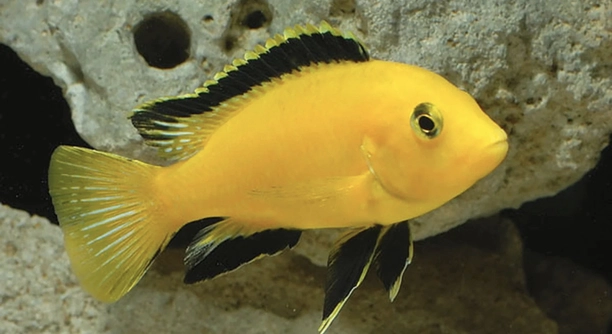
African cichlids are popular fish known for their vibrant colors and active behavior. Many hobbyists enjoy breeding them at home. Choosing the right caves can help create a safe environment for these fish to lay eggs and protect their fry.
The best caves for breeding African cichlids provide secure hiding spots with smooth surfaces and adequate space. These caves should mimic natural rock formations and allow easy access for the female while protecting the eggs from predators and strong currents.
Finding the right cave can improve your cichlids’ breeding success and overall tank harmony. These options will support both novice and experienced fishkeepers in creating a better habitat.
Types of Caves That Work Well for African Cichlids
African cichlids naturally seek out caves and crevices to protect their eggs and fry. When choosing caves, look for materials like ceramic, resin, or natural rock that won’t harm your fish or alter water quality. Caves with smooth edges prevent injury during breeding and hiding. Sizes vary, but the cave should be roomy enough for the female to enter comfortably while keeping the eggs safe inside. Some cichlids prefer taller, narrow caves, while others like wider, flat caves. It helps to have multiple caves in the tank to reduce territorial aggression and give each pair space. Avoid caves that are too dark or cramped, as this may discourage breeding or cause stress. Position caves near moderate water flow for oxygenation without disturbing the eggs. Watching your cichlids choose their favorite cave can be quite rewarding and adds natural behavior to your aquarium setup.
Having a variety of caves supports breeding success and overall fish health.
Multiple cave options help reduce conflict and provide security for breeding pairs.
Ceramic Caves
Ceramic caves are a popular choice because they are safe and easy to clean. These caves come in many shapes and sizes, often resembling natural rock formations. Ceramic does not leach harmful substances and maintains stable water parameters. Their smooth surfaces prevent damage to delicate fins and eggs, making them ideal for breeding. They are also lightweight and easy to move around the tank if needed. The porous nature of some ceramic caves encourages beneficial bacteria growth, helping keep water quality high. This contributes to a healthy environment for fry to grow. Ceramic caves can be stacked or grouped, offering flexibility in tank design. Because of their durability, they last a long time and require minimal maintenance. For those who want a natural look without the hassle of real rocks, ceramic caves are an excellent option.
Ceramic caves provide a safe, practical, and natural-feeling home for breeding African cichlids.
Resin and Plastic Caves
Resin and plastic caves are lightweight and come in many designs, often mimicking natural rocks. They are easy to clean and won’t degrade in water. However, quality varies, so choose non-toxic, aquarium-safe options.
These caves are ideal for hobbyists who want durable and affordable breeding spots. Resin caves often have smooth interiors, which protect delicate eggs and fish. Their lightweight nature makes rearranging the tank easier when adjusting territories. Plastic caves can also be colorful, adding visual interest to the aquarium. It’s important to rinse them thoroughly before use to avoid chemical residues. Over time, some cheaper plastics may degrade, so regular checks are recommended. Still, their affordability and variety make them a practical choice for many cichlid breeders.
Because resin and plastic caves don’t change water chemistry, they’re safe for long-term tank use. Their durability helps maintain a consistent environment for breeding pairs.
Natural Rock and Stone Caves
Natural rock caves provide an authentic habitat, closely resembling the cichlids’ environment in lakes like Malawi or Tanganyika. These caves offer excellent hiding places and natural textures that encourage breeding behavior. Smooth stones, like slate or lava rock, are preferred to avoid injuring fish. Porous rocks also promote beneficial bacteria growth, helping maintain water quality.
Using natural rocks requires attention to water parameters, as some stones can raise pH or hardness. Test your water regularly and select rocks compatible with African cichlids’ needs. Arrange rocks securely to avoid collapsing or trapping fish. Combining different shapes and sizes mimics natural conditions, reducing stress and aggression. Natural caves can be visually striking and give your tank a genuine feel. Cleaning is simple with gentle scrubbing and careful rinsing. With proper care, natural rock caves create a stable and inviting space for breeding cichlids.
PVC Pipe Caves
PVC pipes are a budget-friendly option that many keepers use for breeding African cichlids. They are easy to cut and customize.
These pipes offer ample space and smooth surfaces, which protect eggs and fry. Painting them with non-toxic, aquarium-safe paint can help them blend into the tank environment.
Driftwood Caves
Driftwood caves add a natural look and provide shaded hiding spots for breeding pairs. The wood’s texture offers security, but make sure it’s aquarium-safe and well-cleaned. Driftwood may slightly lower pH, which suits some cichlid species better. Using driftwood with caves inside your tank creates a cozy and secure breeding environment.
3D Printed Caves
3D printed caves are a new and customizable option for cichlid breeders. They allow unique shapes and sizes to fit specific tank needs.
Sand and Substrate Caves
Some African cichlids dig into sand or fine substrate to create their own caves. Providing soft substrate encourages natural breeding behavior and gives fish control over their space.
FAQ
What size cave is best for breeding African cichlids?
The size depends on the species, but generally, caves should be large enough for the female to enter comfortably and protect the eggs inside. A cave about 4 to 6 inches wide and tall is usually suitable for most cichlids. It should allow room for both the female and sometimes the male to guard the eggs.
How do I clean caves without disturbing the fish?
Remove the cave gently during water changes or when the tank is calm. Use warm water and a soft brush to scrub away algae or debris. Avoid soap or chemicals, as these harm fish. Regular cleaning keeps the environment healthy and encourages breeding.
Can any cave material harm my cichlids?
Yes, some materials like untreated metals or certain rocks can release toxins or change water chemistry. Avoid sharp-edged caves that can injure fish. Always use aquarium-safe materials like ceramic, resin, natural smooth stones, or properly treated PVC.
How many caves should I put in my tank?
It’s best to provide multiple caves to reduce territorial fights. At least one cave per breeding pair works well. This gives fish choices and helps maintain peace, especially in tanks with several cichlids.
Do cichlids prefer dark or light caves?
Most cichlids prefer dim, shaded caves because it makes them feel safe. Dark caves protect eggs and fry from light stress and predators. However, caves that are too dark or cramped can stress the fish, so balance is key.
Will caves affect water flow in the tank?
Some caves can block or redirect water flow. Position caves in areas with gentle, moderate flow to provide oxygen for eggs without washing them away. Avoid caves directly in strong currents.
Can cichlids breed without caves?
While some cichlids might breed without caves, most prefer secure spaces to lay and protect their eggs. Providing caves increases breeding success and reduces stress for both parents and fry.
How do I encourage my cichlids to use caves?
Place caves in quiet, sheltered spots within the tank. Make sure the water parameters are stable and suitable for your species. Sometimes rearranging caves or adding plants nearby creates a more inviting area.
Are artificial caves better than natural ones?
Both have advantages. Artificial caves are easy to clean and won’t affect water chemistry, while natural caves offer a more authentic environment. The best choice depends on your tank setup and fish needs.
Can breeding caves be shared between multiple pairs?
It’s not recommended because cichlids are territorial during breeding. Sharing caves often leads to fights. Providing individual caves for each pair helps reduce aggression and increases breeding success.
How often should I check on breeding caves?
Observe caves regularly but avoid disturbing the fish. Frequent checking can stress breeding pairs. Watch for signs of eggs or fry, and monitor fish behavior to ensure the environment is suitable.
What signs show that cichlids are ready to breed in caves?
Signs include increased territorial behavior around caves, digging near the cave entrance, color changes, and the female spending more time inside the cave. The male may also guard the area more actively.
Can fry survive without caves?
Fry need shelter to hide from predators and strong water flow. Caves provide safety and encourage healthy growth. Without caves, fry may be more vulnerable and less likely to survive.
Is it okay to add plants near breeding caves?
Yes, plants can offer extra cover and make the area feel safer. Choose hardy plants that don’t interfere with cave space. Plants also help improve water quality and oxygen levels around caves.
How do I know if a cave is too small or too big?
If the female struggles to enter or exits quickly, the cave might be too small or uncomfortable. If the cave is too large, the parents may not feel secure guarding eggs. The right size offers a snug fit without crowding.
Choosing the right caves for breeding African cichlids is an important part of setting up a healthy aquarium. The caves give the fish a safe place to lay eggs and protect their young. Different materials and shapes can work well, but it is key to pick options that match the needs of your specific cichlid species. Whether you choose ceramic, resin, natural rock, or even PVC pipes, the goal is to provide shelter that feels natural and secure for the fish. Good caves help reduce stress and encourage natural breeding behaviors, which leads to happier and healthier fish.
It is also important to remember that size and placement matter. Caves should be large enough for the female to enter easily but not too large that they feel unsafe. Multiple caves in the tank can help lower aggression between fish by giving each pair their own space. Positioning caves in areas with gentle water flow is best, as this provides oxygen without disturbing eggs or fry. Keeping caves clean and using aquarium-safe materials will maintain good water quality and protect fish from injury or toxins. Paying attention to these details helps create an environment where African cichlids can thrive and breed successfully.
Lastly, watching your cichlids interact with their caves can be rewarding. It shows how much they rely on these spaces for comfort and safety. Providing caves that fit their natural instincts improves their well-being and supports breeding efforts. Each tank is unique, so finding the right combination of caves may take some trial and error. However, with patience and care, you can create a balanced tank that encourages natural behavior and healthy growth. Proper caves are a simple but effective way to make your aquarium a better home for African cichlids.

Hello,
If you enjoy the content that we create, please consider saying a "Thank You!" by leaving a tip.
Every little bit helps us continue crafting quality advice that supports the health, happiness, and well-being of pets around the world, for pets of all shapes, sizes, and species.
We really appreciate the kindness and support that you show us!