
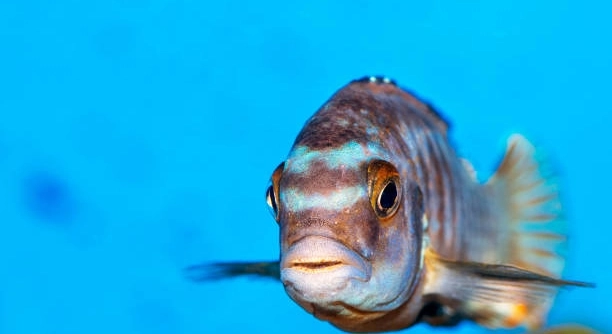
Are your African cichlids suddenly darting around their tank more than usual? This sudden burst of activity can be surprising and sometimes worrying for fish owners. Understanding the reasons behind this behavior is important for their care.
African cichlids often dart around due to stress, territorial behavior, or environmental changes. Factors like poor water quality, overcrowding, or sudden noises can trigger this quick movement as a response to discomfort or aggression.
Knowing why your cichlid is acting this way can help you create a healthier environment for them. This article will explain common causes and simple solutions to calm your fish.
Common Causes of Darting Behavior
African cichlids may dart around their tank for several reasons. One of the most frequent causes is stress. Stress can come from changes in water quality, like high ammonia or nitrate levels. Another cause is territorial disputes. These fish are known to be territorial, especially males, and they often chase each other to protect their space. Overcrowding in the tank can also increase aggression and darting behavior. Sudden noises or movements near the tank can startle them, making them swim quickly to find safety. Finally, poor tank conditions like incorrect temperature or lack of hiding spots can make them feel unsafe. Watching how often and when your cichlid darts can help identify the trigger.
If your tank is overcrowded or noisy, your cichlids will likely dart more often. Providing enough space and reducing disturbances can calm them down.
Understanding the cause helps in adjusting the environment and maintaining peace in the aquarium. Small changes can improve your fish’s behavior and health over time.
How Water Quality Affects Behavior
Poor water quality directly impacts cichlids’ behavior. Dirty water stresses them and may cause erratic swimming or darting. Regular testing and maintenance keep the water safe.
Keeping the water clean is crucial. High ammonia or nitrate levels make fish uncomfortable and prone to stress. When water parameters are stable, fish feel secure and are less likely to dart wildly. Proper filtration and frequent partial water changes maintain healthy water conditions. It is also important to monitor pH and temperature, as sudden shifts can upset your cichlids. When water quality is good, fish tend to swim calmly and show natural behaviors. Investing time in water care is one of the best ways to prevent darting and support your fish’s overall wellbeing. This effort creates a balanced environment where cichlids can thrive peacefully.
Territorial Behavior in African Cichlids
African cichlids are naturally territorial. Males often defend specific areas in the tank by chasing others away. This leads to sudden darting as they assert dominance or escape aggression.
Territorial disputes are common, especially in smaller tanks where space is limited. When a fish feels threatened, it darts quickly to protect itself or to warn off rivals. This behavior can cause stress and injury if the tank is overcrowded. Providing enough space and hiding spots can reduce fights. Some owners separate aggressive fish or rearrange decorations to break up territories. Observing your cichlids’ interactions helps manage this behavior effectively, preventing constant chasing and darting.
Managing tank size and decor is important for reducing territorial aggression. A well-planned environment keeps cichlids calmer and reduces sudden bursts of movement.
Environmental Changes and Their Impact
Sudden changes in the tank environment can trigger darting in cichlids. These include temperature shifts, new tank mates, or rearranged decorations. Cichlids rely on consistency and can become stressed when their surroundings change quickly.
Environmental stability helps cichlids feel safe. If the water temperature rises or drops suddenly, their metabolism and behavior are affected, causing them to swim erratically. Adding new fish can increase competition and anxiety, leading to more darting. Even moving plants or rocks can disturb established territories, making fish nervous. Gradual changes allow cichlids to adapt without stress. Monitoring the tank and introducing adjustments slowly creates a calmer environment. Keeping the tank stable helps your fish stay relaxed and reduces the need to dart around abruptly.
Overcrowding and Its Effects
Overcrowding causes stress and aggression among African cichlids. Too many fish in one tank leave little space to establish territories. This leads to frequent chasing and darting.
A crowded tank can reduce oxygen levels and increase waste, further stressing your fish. It’s important to keep the number of fish appropriate for the tank size.
How to Create a Calm Environment
Adding hiding spots like rocks and plants helps reduce aggression. These provide safe spaces where cichlids can retreat when feeling threatened. Rearranging decorations occasionally can also break up established territories and lower conflict.
Signs of Illness
Sudden darting might indicate illness. Watch for other signs like loss of appetite or discoloration. Early treatment helps prevent serious health problems.
When to Seek Help
If darting continues despite good care, consult a vet or experienced aquarist. They can identify hidden issues and recommend proper treatments.
FAQ
Why is my African cichlid darting suddenly after I added new fish?
Introducing new fish can disrupt the established social order in your tank. African cichlids are territorial and may feel threatened by unfamiliar tank mates. This stress often causes them to dart around quickly as they try to assert dominance or avoid conflict. To ease this, add new fish slowly and provide plenty of hiding spots so everyone has space to settle.
Can poor water quality cause darting?
Yes, poor water quality is a common cause of darting behavior. High ammonia, nitrite, or nitrate levels irritate fish, causing stress and erratic swimming. Regular water tests and partial water changes help maintain safe water conditions, reducing darting caused by discomfort.
Is darting always a sign of illness?
Not always. Darting can be a natural response to stress or environmental changes. However, if darting is accompanied by other signs like lethargy, loss of appetite, or visible spots, illness might be the reason. In that case, prompt diagnosis and treatment are important.
How much space do African cichlids need to avoid aggression?
Tank size matters a lot. Generally, a minimum of 30 gallons is recommended for a small group of cichlids. More space means less territorial conflict and less darting due to chasing. Overstocking makes aggression worse, so keeping the right number of fish is essential.
Does tank decoration affect darting behavior?
Yes, decorations create territories and hiding places. Rocks, caves, and plants help fish feel secure and reduce stress. Without enough hiding spots, cichlids may dart more as they try to escape aggression. Rearranging decorations occasionally can also reduce established territorial disputes.
Can temperature changes make cichlids dart more?
Sudden shifts in temperature can stress cichlids, making them swim erratically or dart. Keeping the temperature steady, usually between 74°F and 82°F, helps maintain calm behavior. Use a reliable heater and thermometer to monitor conditions.
What should I do if my cichlid darts nonstop?
If darting continues despite stable water quality and environment, observe for signs of illness or injury. Consider isolating the fish to reduce stress and consult a vet or expert if symptoms persist. Persistent darting often signals underlying problems needing attention.
Are some cichlid species more prone to darting?
Yes, some species like Mbuna cichlids are more territorial and active, so they naturally dart more. Other species may be calmer. Knowing your cichlid’s species helps you prepare for their behavior and tank needs.
How can I reduce darting caused by aggression?
Providing enough space, hiding spots, and appropriate tank mates reduces aggression. Avoid overcrowding and keep an eye on dominant fish. Sometimes separating aggressive individuals is necessary to protect others.
Is darting harmful to African cichlids?
Occasional darting is normal, but constant frantic swimming can cause stress, injury, or exhaustion. Reducing triggers and maintaining good tank conditions prevent harm. Healthy, calm fish live longer and behave more naturally.
African cichlids are lively fish with strong personalities. Their darting behavior is often a way to communicate feelings like stress, excitement, or territorial defense. Understanding why they dart helps you provide better care and a more comfortable home for them. It’s important to remember that darting is usually a sign that something in their environment needs attention, whether it’s water quality, space, or social dynamics. Paying close attention to these factors can improve your cichlids’ behavior and overall health.
Maintaining a stable tank environment is one of the best ways to reduce darting. This includes regular water testing, keeping the right temperature, and making sure the tank isn’t overcrowded. Providing hiding spots and rearranging tank decorations can help lower aggression between fish. Also, introducing new fish slowly and carefully can prevent sudden stress that causes darting. Small changes like these can make a big difference in how your cichlids act day to day, helping them feel safer and more relaxed in their space.
Watching your African cichlids regularly allows you to spot any changes in behavior early. If darting becomes constant or is paired with signs of illness, seeking help from an expert or veterinarian is important. Remember, healthy fish are more likely to swim calmly and display natural behaviors. Taking care of their environment and social needs ensures they thrive and makes your aquarium a pleasant place to enjoy. With patience and attention, you can help your cichlids feel secure and reduce the frantic darting that may worry you.

Hello,
If you enjoy the content that we create, please consider saying a "Thank You!" by leaving a tip.
Every little bit helps us continue crafting quality advice that supports the health, happiness, and well-being of pets around the world, for pets of all shapes, sizes, and species.
We really appreciate the kindness and support that you show us!