
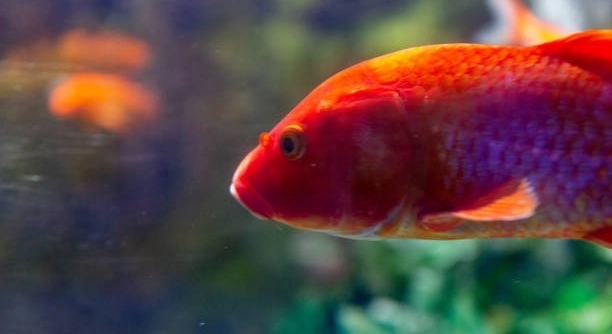
Keeping a peaceful cichlid tank can be challenging for many fish enthusiasts. These colorful fish have strong personalities and sometimes aggressive behaviors. Managing their environment carefully helps create a calm and balanced aquarium everyone can enjoy.
Maintaining a peaceful cichlid tank involves controlling territory, providing hiding spaces, selecting compatible species, and managing water quality. Proper tank size and diet also reduce stress and aggression, promoting harmony among the fish. These factors work together to support a stable community.
Understanding these key steps will help you build a tank where cichlids thrive without constant conflict. The following advice focuses on practical methods to improve your aquarium’s peace and balance.
Choose Compatible Cichlid Species
Choosing cichlid species that can coexist peacefully is essential for a calm tank. Some cichlids are naturally more aggressive and territorial, while others tend to be more tolerant of tank mates. Researching species behavior before adding them helps prevent conflicts. Avoid mixing highly aggressive cichlids with more passive types. Keeping fish with similar temperaments reduces stress and fighting. It also helps to keep groups of the same species, as many cichlids feel more secure in groups rather than alone. Proper planning of species selection is a key step toward a peaceful tank environment.
Compatibility depends on size, temperament, and habitat preferences. Keeping species that share similar needs encourages harmony in the tank.
Taking time to learn about each species’ behavior can save a lot of trouble later. For example, African cichlids from Lake Malawi tend to be more territorial and require different tank setups than South American species like Angelfish or Severums. Grouping cichlids by their natural habitat can reduce aggression because their environmental preferences match. It also helps to avoid overcrowding, which increases stress and fights. Providing adequate space and hiding spots further supports peaceful coexistence. When selecting fish, consider not only their individual temperaments but also how they interact as a community. Observing fish after introducing them allows quick action if aggressive behaviors appear. Using these guidelines can make maintaining a peaceful cichlid tank much easier and more enjoyable.
Provide Plenty of Hiding Spaces
Hiding places help cichlids feel secure and reduce stress. Rocks, caves, and plants create natural barriers. These areas allow fish to escape aggression and establish territories without constant fighting.
Maintain Proper Water Quality and Tank Size
Good water quality is critical for peaceful cichlids. Clean, well-filtered water reduces stress and disease, which can trigger aggression. Regular water changes keep nitrate and ammonia levels low. Testing water parameters helps maintain stability. Tank size also impacts behavior. Overcrowding causes competition and fighting, so providing enough space is essential. A larger tank allows cichlids to establish separate territories and reduces conflicts.
Filtration systems should be appropriate for the tank’s size and bio-load to keep the environment healthy. Consistent maintenance routines prevent sudden changes in water conditions, which can upset the fish. Keeping temperature and pH stable within the species’ preferred range supports their well-being.
Tank dimensions influence how fish interact. For territorial cichlids, longer tanks provide more horizontal space to claim areas, which lowers aggression. Vertical height is less important but can help species that swim at different levels. Overstocking is a common cause of stress; generally, 20 gallons per adult cichlid is a safe guideline. When space is limited, fish can become crowded and display more aggressive behaviors. Choosing the right tank size with effective filtration and regular maintenance creates an environment where cichlids feel secure, healthy, and less aggressive. This balance helps maintain peace in the aquarium over the long term.
Control Feeding to Reduce Aggression
Overfeeding can lead to increased aggression among cichlids. Feeding smaller amounts more frequently helps keep their behavior calmer. Avoid leaving excess food in the tank to prevent water quality issues that can stress fish.
Feeding the right amount supports cichlid health and reduces competition for food. When fish are well-fed, they are less likely to fight over territory or meals. Using high-quality pellets or flakes designed for cichlids ensures they get proper nutrition. It is helpful to observe their eating habits and adjust portions accordingly. Overfeeding causes uneaten food to decay, raising harmful toxins that increase stress and aggression. Regular, controlled feeding encourages a peaceful tank environment by keeping fish satisfied and healthy.
Consistency in feeding times also helps regulate their behavior. Feeding at irregular intervals may cause excitement or stress, leading to aggression. A steady schedule allows fish to anticipate food, reducing competition and territorial disputes. Additionally, supplementing their diet with occasional live or frozen foods provides variety and enrichment, which can further decrease aggressive tendencies. Keeping the feeding routine balanced and careful contributes to a calmer, more harmonious tank.
Monitor and Separate Aggressive Fish
Observing fish behavior regularly helps catch early signs of aggression. Removing or isolating overly aggressive individuals prevents injury and stress among other cichlids.
Keeping an aggressive fish separated protects the community and maintains tank harmony. Isolation tanks or dividers allow problematic fish to calm down without being removed permanently. Sometimes aggression is temporary due to breeding or territory disputes and decreases with time. When separating fish, ensure the isolated tank has proper filtration and similar water conditions to avoid additional stress. If aggression continues, permanent rehoming might be necessary to protect the rest of the tank. Monitoring behaviors closely helps maintain a peaceful environment for all cichlids.
Keep the Tank Clean
Regular cleaning prevents buildup of waste and toxins that stress cichlids. Removing uneaten food and debris keeps water clear and healthy.
A clean tank reduces disease risks and helps fish feel comfortable. Consistent maintenance supports peaceful behavior by minimizing environmental stress.
Provide Balanced Lighting
Balanced lighting mimics natural day and night cycles. Avoid overly bright or constant light, which can increase stress and aggression. Proper lighting helps regulate fish activity and supports plant growth, contributing to a stable environment.
Avoid Overcrowding
Overcrowding causes stress and competition for space. Too many fish in a tank lead to fights and injuries. Providing enough room is essential for peace.
Use Neutral Decorations
Neutral-colored decorations reduce territorial disputes. Avoid overly bright or large decorations that may trigger aggression among cichlids.
How do I know if my cichlids are stressed or aggressive?
Signs of stress or aggression in cichlids include chasing, biting, hiding excessively, or damaged fins. You may notice fish refusing to eat or hiding more than usual. Aggressive behavior often shows as one fish repeatedly attacking others or guarding territory aggressively. Stress can be caused by poor water quality, overcrowding, or lack of hiding spaces. Observing fish closely helps identify problems early. Addressing stressors quickly prevents injuries and improves tank harmony.
Can I mix different types of cichlids in one tank?
Mixing different cichlid species can work if they have similar temperaments and environmental needs. Avoid pairing highly aggressive cichlids with peaceful ones. African cichlids from Lake Malawi generally do not mix well with South American species due to different water conditions and behaviors. Compatibility depends on size, aggression levels, and tank setup. Researching each species’ natural habitat and behavior is essential before combining them. Keeping similar species together reduces conflict and stress.
What is the ideal tank size for keeping peaceful cichlids?
Tank size depends on the species and number of cichlids. Generally, a minimum of 20 gallons per adult fish is recommended for territorial species. Larger tanks provide more space to establish territories and reduce aggression. Overcrowding leads to stress and fighting. Providing horizontal space is more important than height for many cichlids. Bigger tanks also allow more hiding places and improve water quality stability, both crucial for peace.
How often should I clean my cichlid tank?
Cleaning frequency depends on tank size and stocking level. Partial water changes of 20-30% every one to two weeks are common. Regularly remove uneaten food and debris during water changes to prevent toxins buildup. Cleaning filters monthly keeps them efficient but avoid washing all filter media at once to preserve beneficial bacteria. Consistent maintenance prevents water quality issues that cause stress and aggression.
What foods help reduce aggression in cichlids?
A balanced diet with high-quality pellets or flakes formulated for cichlids is best. Feeding small amounts multiple times a day prevents hunger-driven aggression. Supplementing with frozen or live foods like brine shrimp or bloodworms adds variety and nutrition. Avoid overfeeding, which pollutes the water and stresses fish. Well-fed cichlids are less likely to compete aggressively over food.
Can I use tank dividers to separate aggressive cichlids?
Yes, tank dividers are effective for separating aggressive individuals without removing them from the tank completely. Dividers allow fish to see each other but prevent physical harm. This method can calm aggression during breeding or when new fish are introduced. Make sure the divider fits well and does not trap debris or block water flow. Using dividers gives time for fish to adjust or recover.
How important are hiding places in a cichlid tank?
Hiding places are crucial for reducing stress and aggression. Cichlids use caves, rocks, and plants to claim territories and escape threats. Without enough hiding spots, fish feel exposed and fight more often. Providing multiple hiding spaces allows several fish to establish their own areas, promoting peace. Natural decorations that mimic their habitat also encourage normal behavior and reduce conflict.
What water parameters are best for peaceful cichlids?
Most peaceful cichlids thrive in water with a pH between 7.5 and 8.5, temperature around 75-82°F (24-28°C), and moderate hardness. Stability is more important than exact values. Sudden changes in water quality can cause stress and aggression. Regular testing and maintenance keep water conditions stable. Different cichlid species may prefer slightly different parameters, so research specific needs for the fish in your tank.
How can I introduce new cichlids without causing fights?
Introducing new cichlids slowly helps reduce aggression. Use a quarantine tank first to check health and acclimate the fish. When adding them to the main tank, rearrange decorations to disrupt established territories. Float the new fish in a bag or use a divider to let them adjust visually before full release. Introducing several new fish at once can spread aggression and reduce focus on one individual. Monitoring behavior closely after introduction is key.
Are there behavioral changes during cichlid breeding that affect tank peace?
Yes, breeding cichlids often become territorial and aggressive. Males guard eggs and fry aggressively to protect them. This behavior can disrupt tank harmony temporarily. Providing extra hiding spots and possibly separating breeding pairs helps manage aggression. After fry grow or breeding ends, behavior usually returns to normal. Understanding these natural cycles helps prepare for and manage increased aggression periods in your tank.
Maintaining a peaceful cichlid tank requires attention to several important factors. Choosing compatible species is the first step, as some cichlids are naturally more aggressive than others. Providing enough space and hiding spots helps reduce territorial disputes. Proper feeding, water quality, and regular cleaning are essential to keep the fish healthy and less stressed. When these elements are carefully managed, the tank becomes a more balanced and calm environment for the cichlids to live in.
Controlling aggression sometimes means separating or removing overly aggressive fish to protect the community. Watching how your fish behave regularly is important so that problems can be addressed early. Aggressive behavior often results from stress, overcrowding, or poor water conditions. By keeping the tank clean and stable, and providing a consistent routine for feeding and maintenance, many common issues can be prevented. It is also helpful to understand the natural behaviors of your specific cichlid species to better meet their needs.
Peaceful cichlid tanks take patience and observation. Small changes in tank setup or care can make a big difference in how your fish interact. The goal is to create an environment where cichlids feel secure and healthy, which reduces conflict. Following simple steps like selecting compatible fish, providing hiding spaces, and maintaining good water quality supports a more peaceful aquarium. Over time, you can enjoy watching your cichlids thrive in a calm and harmonious tank.

Hello,
If you enjoy the content that we create, please consider saying a "Thank You!" by leaving a tip.
Every little bit helps us continue crafting quality advice that supports the health, happiness, and well-being of pets around the world, for pets of all shapes, sizes, and species.
We really appreciate the kindness and support that you show us!