
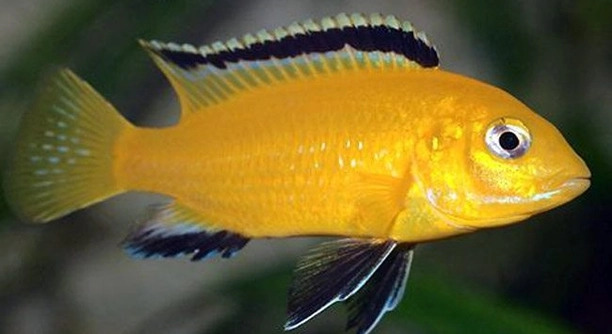
African cichlids often hover close to the substrate in their tanks or natural habitats. This behavior is common and can be seen in many species of these colorful fish. Understanding why they do this helps improve their care.
African cichlids hover over substrate mainly for feeding, territorial defense, and breeding purposes. Staying near the bottom allows them to search for food particles, guard their territory, and care for their eggs or fry in a protected environment.
Recognizing these behaviors can improve your approach to keeping African cichlids healthy and comfortable in their environment. There is more to learn about their unique habits and needs.
Feeding Behavior Near the Substrate
African cichlids spend a lot of time hovering near the substrate because they are searching for food. In their natural habitat, the bottom of the lake or riverbed holds many small insects, algae, and other edible particles. These fish have adapted to pick through the gravel, sand, or rocks to find what they need. Many cichlids have specialized mouths designed to scrape algae or sift through substrate materials. When kept in aquariums, they often continue this behavior, even if food is provided on the surface. This natural feeding habit helps them feel comfortable and keeps them active. It is important to provide an environment that allows them to engage in this behavior by using appropriate substrate and offering foods that encourage natural foraging.
Hovering near the substrate during feeding is essential for their well-being and mimics their natural instincts.
This behavior also helps reduce aggression. When cichlids focus on searching for food at the bottom, they are less likely to fight with tank mates. It provides a distraction and helps establish a more peaceful tank environment. Providing a varied diet with sinking pellets or live foods will support this natural activity and promote healthier, happier fish.
Territorial and Breeding Reasons
When African cichlids hover close to the substrate, they are often protecting their territory or caring for their young. These fish are known for being territorial, especially during breeding season. They select a specific area on the substrate to defend from other fish. This can include digging small pits or clearing spots to prepare for laying eggs. The substrate becomes a safe zone where they guard their eggs and fry from potential threats. This protective behavior is strong, and the fish may become more aggressive while guarding their territory. Understanding this can help aquarists provide enough space and hiding places to reduce stress. Keeping an eye on substrate activity gives clues about breeding and territorial disputes.
Comfort and Shelter
African cichlids hover near the substrate because it provides them with comfort and shelter. The bottom area often has rocks, caves, or plants where they can hide from predators or feel safe.
In the wild, the substrate is a natural refuge that offers protection from larger fish and other threats. This behavior continues in aquariums, where they use decorations or natural substrate to create hiding spots. Feeling secure is important for their stress levels and overall health. When they have places to retreat to, cichlids are less likely to become aggressive or shy away from interacting.
Providing ample hiding spots and a natural-looking substrate encourages this protective behavior. It helps the fish feel more at home and confident in their environment. Watching them use these spaces can be a rewarding experience, as it shows their natural instincts in action.
Environmental Influence on Behavior
Lighting and water conditions can affect how much African cichlids hover near the substrate. Dim lighting and cooler water temperatures often encourage bottom-dwelling behavior.
These fish are sensitive to their environment, and changes in light or temperature can alter their activity patterns. In brighter or warmer conditions, they may swim more actively in the middle or upper levels of the tank. However, when conditions are less intense, they tend to stay close to the bottom where it feels safer. Adjusting lighting and maintaining stable water parameters can help manage their behavior and reduce stress. Providing a suitable environment ensures their natural behaviors, like substrate hovering, happen naturally and healthily.
Social Interaction and Hierarchy
African cichlids use substrate hovering to communicate social status. Dominant fish often claim prime spots on the bottom, signaling control over territory. Submissive fish keep a lower profile to avoid conflict.
This behavior helps maintain order in the tank. By respecting these positions, aggression can be minimized, making the environment more stable for all fish.
Influence of Diet on Substrate Behavior
A diet rich in sinking foods encourages cichlids to spend more time near the substrate. Feeding habits directly shape their natural foraging behavior. When provided with appropriate food types, they stay engaged and healthy.
Substrate Choice and Fish Health
The type of substrate impacts cichlid behavior and well-being. Soft sand or fine gravel supports natural digging and hovering without harming their delicate mouths or fins.
FAQ
Why do African cichlids hover over the substrate so much?
African cichlids hover near the substrate mainly because it is where they find food, establish territory, and feel safe. Their natural instincts drive them to search for edible particles, guard their nests, and hide from threats. This behavior is common and healthy when observed regularly.
Is hovering over the substrate a sign of stress or illness?
Not necessarily. While cichlids may hover near the bottom when stressed or sick, it is often normal behavior. If the fish show other signs like clamped fins, loss of appetite, or unusual swimming, it could indicate a problem. Otherwise, substrate hovering is part of their natural routine.
Can the type of substrate affect how often cichlids hover there?
Yes, the substrate plays a big role. Soft sand or fine gravel encourages natural digging and hovering behavior without causing injury. Sharp or rough substrates can discourage this activity or harm the fish. Choosing the right substrate helps keep cichlids comfortable and active.
How does feeding influence substrate hovering?
Feeding sinking pellets, flakes that settle on the bottom, or live foods encourages cichlids to stay near the substrate to forage. If food only floats on the surface, they may spend less time at the bottom. Providing a varied diet supports their natural feeding habits.
Do all African cichlid species hover over the substrate equally?
No, different species have varying behaviors. Some species prefer rocky caves and crevices, while others spend more time sifting through sand or gravel. Understanding the specific needs of your cichlid species helps explain how much time they spend near the substrate.
Does lighting affect substrate hovering behavior?
Lighting can influence where cichlids spend their time. Dimmer lighting often encourages fish to stay near the bottom, where they feel safer. Bright lights might push them into open water or hiding spots. Adjusting lighting to mimic natural conditions benefits their comfort and natural habits.
Is substrate hovering related to breeding behavior?
Yes, substrate hovering is closely tied to breeding. Many cichlids lay eggs on or just above the substrate, guarding their nests carefully. They clear spaces or create small pits on the bottom to protect eggs and fry. Watching this behavior helps identify breeding activity.
Can substrate hovering help reduce aggression among cichlids?
Yes, when cichlids focus on the substrate for feeding or territory, they tend to be less aggressive toward each other. It helps reduce conflicts by giving fish specific areas to claim and defend. Providing enough space and hiding spots on the substrate also lowers stress and aggression.
What should I do if my cichlids stop hovering near the substrate?
If substrate hovering decreases, check water quality, diet, and tank setup. Poor water conditions, lack of food variety, or insufficient hiding spots can change behavior. Improving these factors usually restores natural activity levels.
How can I encourage substrate hovering in my aquarium?
Use fine sand or gravel as substrate, provide hiding places like rocks or caves, and offer sinking foods. Maintaining stable water parameters and appropriate lighting also helps encourage this natural behavior. These steps make the tank feel more like their natural habitat.
Final Thoughts
Hovering over the substrate is a normal and important part of African cichlid behavior. It helps them feed, feel safe, and interact with their surroundings in a way that matches their natural instincts. When they stay near the bottom of the tank, they are often foraging for food, guarding a space, or simply resting in a spot they feel comfortable. This behavior is not usually a sign of a problem, especially if the fish are active, eating well, and showing no signs of illness. Watching how often and how long they hover near the substrate can give helpful clues about their overall well-being.
The setup of the tank plays a big role in supporting this behavior. Using the right substrate, such as fine gravel or soft sand, helps cichlids dig and explore safely. Decorations like rocks, caves, or plants provide shelter and make them feel secure. A stable tank environment, with good water quality and proper lighting, also supports their natural activity. Diet matters too. Feeding sinking foods and offering variety helps encourage them to stay close to the bottom and stay engaged. Each of these elements works together to help your cichlids stay healthy and active while showing their natural behaviors.
Understanding why African cichlids hover over the substrate can make fishkeeping feel more rewarding. It allows you to notice the small things that show whether your fish are comfortable and happy in their space. Their time spent near the bottom of the tank is often a sign that their needs are being met. With a few simple adjustments to your setup and care routine, you can help your fish feel more at home. Whether you’re watching them dig, defend a spot, or rest quietly, it’s a reminder of how important their environment is to their health and behavior. Taking the time to observe and respond to these patterns can lead to a more balanced and peaceful tank.

Hello,
If you enjoy the content that we create, please consider saying a "Thank You!" by leaving a tip.
Every little bit helps us continue crafting quality advice that supports the health, happiness, and well-being of pets around the world, for pets of all shapes, sizes, and species.
We really appreciate the kindness and support that you show us!