
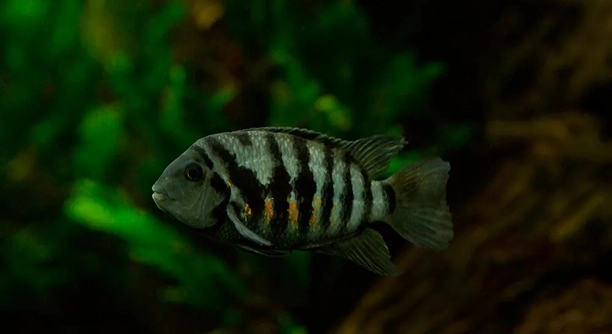
African cichlids are popular aquarium fish known for their bright colors and lively behavior. Many owners enjoy watching them swim but sometimes notice their fish hiding when approached. This reaction can be puzzling and a little concerning for new and experienced keepers alike.
African cichlids hide when approached primarily due to their natural instinct to avoid perceived threats. This behavior helps them feel safe by reducing exposure to potential danger, especially in unfamiliar or stressful environments. Changes in water quality, tank setup, or sudden movements can also trigger hiding.
Learning more about why your cichlid hides can improve your care and strengthen your bond with your fish. Understanding their behavior will help create a calm and comfortable home for them.
Common Reasons African Cichlids Hide
African cichlids often hide because they feel stressed or threatened. New tanks can be overwhelming for them, especially if they don’t have enough hiding spots. Changes in water temperature, poor water quality, or sudden loud noises may also cause them to retreat. Sometimes, aggressive tank mates push them into hiding to avoid fights. Even bright lighting can make them uncomfortable, causing them to stay hidden during the day. Providing caves, plants, or decorations gives them a sense of security. These hiding places help them feel protected and reduce stress. Watching their behavior over time will help you see if their hiding is temporary or a sign of a bigger problem.
Stress is a major reason why cichlids stay hidden in the tank.
Creating a calm and safe environment for your cichlids is essential. Make sure the water parameters are stable and suitable for African cichlids, with proper pH and temperature levels. Avoid sudden changes in lighting or loud noises near the tank. Adding plenty of rocks and hiding spots can help your fish feel secure. Over time, this will encourage them to explore more and interact with you. Keeping the tank clean and free of harmful chemicals also supports their health and confidence. Paying attention to their needs helps them feel more comfortable and less likely to hide.
How to Help Your African Cichlid Feel Safer
Giving your cichlid plenty of hiding spaces is important for its well-being. When the tank feels like a safe place, your fish will come out more often and show its true colors. Adding caves or rock formations mimics their natural environment and helps reduce stress. Avoid overcrowding the tank, as too many fish can create tension and increase hiding. Regularly check water quality to keep conditions stable. Gentle movements near the tank will prevent startling your fish. Over time, your cichlid will learn that you are not a threat and start to respond more positively to your presence. Small changes in the tank setup can make a big difference in your fish’s behavior and happiness.
Signs Your African Cichlid Is Stressed
When an African cichlid hides often, it may be showing signs of stress. Other signs include rapid breathing, loss of appetite, or faded colors. Stress can weaken their immune system and lead to illness if not addressed quickly.
Stress in cichlids can result from poor water conditions, overcrowding, or aggressive tank mates. Sudden changes in temperature or water chemistry also cause discomfort. If your fish stops eating or becomes lethargic, it may be stressed. Observing their behavior daily helps catch problems early. Keeping the tank stable and providing hiding spots reduces stress levels.
Stress can also come from improper diet or lack of enrichment in the tank. Offering a balanced diet and varying the environment with decorations or plants can keep your cichlid engaged and healthier. Regular water testing and maintenance help create a better environment to reduce stress and improve your fish’s quality of life.
The Role of Tank Environment in Hiding Behavior
The tank environment directly impacts whether your cichlid feels safe or threatened. A cluttered or bare tank can both cause hiding. Rocks, caves, and plants offer shelter and comfort.
Proper tank size matters too; a small tank with many fish increases stress and hiding. Clean water with correct pH, temperature, and hardness is crucial. Lighting should mimic natural conditions—too bright or too dim can affect behavior. Regular maintenance keeps the environment stable. Adjusting these factors helps your cichlid feel secure and more likely to explore the tank freely.
How Tank Mates Affect Hiding
Aggressive or territorial fish can cause your African cichlid to hide more often. Competition for space or food adds stress. Peaceful tank mates help reduce hiding behavior.
Choosing compatible species and avoiding overcrowding creates a calmer environment. This lets your cichlid feel safer and more confident in the tank.
Adjusting Feeding to Reduce Hiding
Feeding your cichlid a proper diet on a regular schedule can improve its comfort level. Hungry or poorly fed fish may hide due to stress or weakness.
Offering high-quality food with the right nutrients supports their health and encourages activity. Avoid overfeeding to maintain water quality and prevent aggression during feeding time.
Watching Your Cichlid’s Behavior
Keep an eye on how often your cichlid hides and its overall activity. Changes may signal a problem.
Early detection of stress or illness helps you take action and keep your fish healthy and happy.
FAQ
Why does my African cichlid hide all the time?
Your African cichlid may hide constantly because it feels unsafe or stressed. This behavior is natural for protection against threats. Poor water quality, lack of hiding spots, aggressive tank mates, or sudden changes in the environment can all contribute. Sometimes, illness or discomfort also causes hiding. Ensuring a stable tank setup and providing plenty of shelters can help reduce this behavior over time.
Is it normal for African cichlids to hide after I feed them?
Yes, it can be normal. After feeding, some cichlids retreat to rest or digest their food in a safe spot. However, if they hide excessively or stop eating, it might signal stress or health issues. Keep an eye on their behavior during feeding times and adjust the environment or diet as needed.
Can aggressive tank mates cause my cichlid to hide more?
Definitely. Aggressive or territorial fish often intimidate African cichlids, pushing them into hiding. This stress can lower their immune system and cause health problems. Choosing peaceful or compatible species and avoiding overcrowding helps your cichlid feel safer and reduces hiding.
How can I tell if my cichlid is hiding due to illness?
Illness can cause hiding along with other signs like loss of appetite, faded colors, lethargy, or unusual swimming. If your cichlid hides more than usual and shows these symptoms, it may need treatment. Testing water quality and consulting with a vet or fish expert is recommended.
Does the lighting in my tank affect hiding?
Yes, lighting plays a role. Bright lights can stress African cichlids, especially if there aren’t enough shaded areas or hiding spots. Too dim lighting might also make them less active. Aim for moderate lighting and provide places for your fish to retreat to balance comfort and visibility.
How often should I clean the tank to reduce hiding behavior?
Regular cleaning is important but avoid overdoing it. Partial water changes every one to two weeks and gravel cleaning help maintain good water quality. A clean tank reduces stress and encourages your cichlid to explore instead of hiding. Always test water parameters to keep them stable.
Will adding plants help reduce hiding?
Yes, plants provide natural hiding spots and help create a calm environment. Live plants also improve water quality by absorbing toxins. However, make sure to choose hardy species that can tolerate your tank’s conditions and cichlid behavior, as some fish may uproot or damage delicate plants.
Can stress from sudden movements make my cichlid hide?
Sudden movements outside the tank often startle fish, causing them to hide. African cichlids are naturally cautious, so quick hand movements or tapping the glass should be avoided. Moving calmly and quietly near the tank helps build trust and reduces hiding.
Should I change the tank size if my cichlid hides a lot?
A small or overcrowded tank often increases hiding because fish feel threatened and stressed. Providing enough space allows your cichlid to establish territory and reduces conflicts. If your tank is too small for the number of fish, upgrading to a larger one can improve behavior and comfort.
What role does water temperature play in hiding?
African cichlids prefer stable water temperatures between 74°F and 82°F (23°C–28°C). Sudden drops or spikes in temperature can stress them, causing hiding. Use a reliable heater and thermometer to maintain consistent conditions. Stable temperatures support their immune system and natural behavior.
How can I encourage my cichlid to come out of hiding?
Patience and a calm environment are key. Provide plenty of hiding spots but also open areas for swimming. Avoid sudden changes and interact gently. Feeding on a schedule and ensuring good water quality make your fish feel secure. Over time, your cichlid will gain confidence and show more activity.
Is hiding behavior the same for all African cichlids?
Different species may have varying levels of shyness or boldness. Some are naturally more territorial or aggressive, while others prefer to stay hidden more often. Understanding your specific cichlid’s species traits helps you tailor the tank environment and care to their needs.
Can rearranging tank decorations reduce hiding?
Rearranging decorations can help, but it should be done carefully and gradually. Sudden changes might stress your cichlid more. Creating new hiding spots or opening up swimming areas can encourage exploration. Always watch your fish’s reaction after changes and adjust if needed.
How important is diet for reducing hiding behavior?
A balanced and nutritious diet is vital. Malnutrition weakens cichlids, making them more likely to hide due to stress or illness. Feeding high-quality pellets, flakes, or frozen foods suited to their species promotes health and activity. Avoid overfeeding to keep water clean and reduce aggression.
What signs show my cichlid is comfortable and not hiding due to fear?
A comfortable cichlid swims openly, displays vibrant colors, and interacts with tank mates or its environment. It will eat readily and explore new areas. While occasional hiding is normal, frequent or prolonged hiding suggests discomfort or stress. Observing these signs helps gauge your fish’s well-being.
African cichlids hiding when you approach is a common behavior rooted in their natural instincts. These fish use hiding as a way to feel safe from threats. Understanding that this is normal can help you be more patient with them. It does not always mean there is something wrong with your fish or your tank. Sometimes, it just means your cichlid is adjusting or needs more time to feel comfortable in its environment. Giving your fish space and time to get used to you and its surroundings is important for building trust.
Creating the right environment for your African cichlid is key to helping it feel secure and less likely to hide. This includes maintaining good water quality, providing plenty of hiding spots like rocks and plants, and choosing peaceful tank mates. Stable water conditions, proper lighting, and enough space in the tank all contribute to a healthy and stress-free home. When these needs are met, your cichlid will feel more confident and show more of its natural behavior. Watching your fish become more active and curious can be rewarding and shows that you are meeting its needs well.
Remember that every African cichlid is different. Some are naturally shy or more cautious, while others may be bolder. The way they react to your presence can change over time as they grow used to their home and routine. Regular care, patience, and observation will help you understand your fish better and support its well-being. By creating a calm, safe, and welcoming environment, you can enjoy watching your cichlid thrive and show off its beautiful colors and lively personality.

Hello,
If you enjoy the content that we create, please consider saying a "Thank You!" by leaving a tip.
Every little bit helps us continue crafting quality advice that supports the health, happiness, and well-being of pets around the world, for pets of all shapes, sizes, and species.
We really appreciate the kindness and support that you show us!