
Have you ever been curious about keeping African cichlids but felt unsure where to start? Many beginners find these colorful fish fascinating yet challenging. This article answers common questions to help you begin your cichlid journey confidently.
African cichlids are a diverse group of freshwater fish requiring specific water conditions, diet, and tank setup to thrive. Understanding their behavior and habitat needs is essential for successful care and maintaining their vibrant health.
Learning the basics about these fish can make a big difference. Knowing the right steps helps ensure a healthy, happy aquarium full of beautiful cichlids.
What Are African Cichlids?
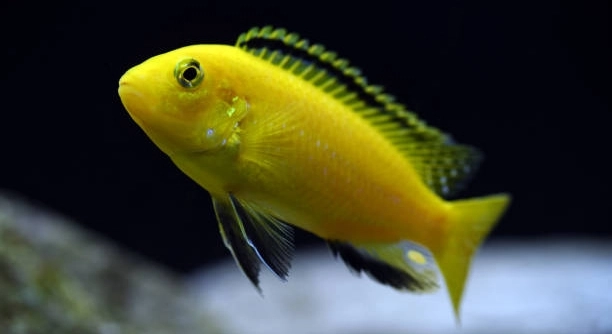
African cichlids are freshwater fish that come mainly from the Great Rift Lakes in East Africa, such as Lake Malawi, Lake Tanganyika, and Lake Victoria. They are known for their bright colors and active behavior. These fish vary widely in size, shape, and temperament depending on their species. Many keepers appreciate them because they bring a lively and beautiful presence to home aquariums. However, their care can be different from more common aquarium fish. They usually need specific water conditions like stable pH and temperature. African cichlids also tend to be territorial, which means they need enough space and hiding spots in the tank to reduce aggression. Their diet is important too—they generally require protein-rich food. Understanding these needs helps make sure they stay healthy and display their best colors. Knowing the basics can prevent common problems many beginners face when starting with African cichlids.
They are a diverse and colorful group that requires care tailored to their environment and behavior.
Many first-time keepers find that learning about each species’ specific needs is key to avoiding stress and keeping the fish healthy. Proper tank setup and maintenance help maintain water quality and reduce conflicts. It is helpful to research individual species before adding them to your aquarium. Taking the time to prepare the tank carefully ensures a better experience for both the fish and the keeper.
How Big Do African Cichlids Get?
The size of African cichlids depends on the species, with some staying small while others grow much larger. Many common species range from 3 to 6 inches in length, but some can reach up to 12 inches or more in captivity. Size affects tank requirements and compatibility with other fish. Knowing the adult size helps in planning the aquarium space properly to accommodate their needs. Small tanks often cause stress and aggression in larger species. It’s best to choose fish sizes that match your tank size and avoid overcrowding. Growth can be influenced by diet and water quality, so proper care supports healthy development.
Planning tank size around their potential adult size prevents issues with overcrowding and aggression.
It’s important to research each species’ expected size before buying. Some cichlids grow quickly, while others take longer to reach full size. Providing a spacious tank with plenty of hiding places helps reduce territorial disputes and stress. Keep in mind that faster-growing fish may need more frequent water changes and better filtration to maintain a healthy environment. If you plan to keep multiple cichlids, consider grouping species with similar sizes and temperaments to avoid conflicts. Monitoring growth and behavior regularly allows early intervention if problems arise, ensuring a stable and peaceful aquarium. Proper preparation makes caring for African cichlids more enjoyable and successful.
What Do African Cichlids Eat?
African cichlids need a diet rich in protein to stay healthy. Their feeding habits can vary depending on the species.
Some species are herbivores, eating mainly algae and plant matter, while others are carnivores or omnivores. Carnivorous cichlids prefer live or frozen foods like brine shrimp and bloodworms. Herbivorous species benefit from spirulina flakes and vegetable-based pellets. Omnivores need a mix of both. It’s important to avoid overfeeding, which can pollute the tank and harm the fish. Feeding small amounts two to three times a day is usually best.
Providing varied food helps meet their nutritional needs and encourages natural behavior. Fresh, high-quality food supports their vibrant colors and boosts immunity. Avoid feeding generic flakes meant for tropical fish, as these often lack the right nutrients. Observing your fish’s eating habits will help you adjust their diet properly. Balanced nutrition keeps African cichlids active and healthy.
How Often Should African Cichlid Tanks Be Cleaned?
Regular tank maintenance is necessary to keep African cichlids healthy. Cleaning frequency depends on tank size, stocking levels, and filtration efficiency.
Generally, partial water changes of 20-30% should be done weekly to remove waste and maintain water quality. Cleaning the substrate helps prevent harmful buildup of detritus and uneaten food. Filters need checking and rinsing in tank water to avoid killing beneficial bacteria. Over-cleaning or full water changes can disrupt the tank’s biological balance and stress the fish.
Good tank maintenance prevents common health issues like ammonia spikes and infections. Keeping the water clean helps your cichlids thrive and display their best colors. Consistency with cleaning routines creates a stable environment, reducing aggression caused by poor water conditions. Monitoring water parameters regularly gives early warnings before problems become serious. Taking these steps makes caring for African cichlids more manageable and enjoyable.
What Kind of Tank Setup Do African Cichlids Need?
African cichlids require tanks with plenty of rocks and hiding places. These structures help reduce aggression and provide territory boundaries.
A tank size of at least 30 gallons is recommended for most species. Water should be kept clean with a strong filtration system that handles their waste. Stable water temperature and pH levels are essential for their health.
Can African Cichlids Live with Other Fish?
African cichlids are territorial and can be aggressive, especially toward smaller or less robust fish. Choosing tank mates with similar size and temperament reduces conflict. It’s best to avoid slow-moving or shy species, as they may be bullied or stressed.
What Water Conditions Are Best for African Cichlids?
African cichlids thrive in hard, alkaline water with a pH between 7.8 and 8.6. Temperatures should be kept between 75°F and 82°F to mimic their natural habitat. Consistency is important, so sudden changes should be avoided. Regular water testing helps maintain these conditions.
Do African Cichlids Need Special Lighting?
African cichlids do not require special lighting, but moderate lighting helps show their colors. Avoid very bright lights as it can stress them and encourage algae growth. Natural daylight cycles are best for their wellbeing.
FAQ
How often should I feed my African cichlids?
Feeding African cichlids two to three times a day with small portions works well. Overfeeding can lead to poor water quality and health issues. Make sure they eat all the food within a few minutes. If food remains, reduce the next feeding to avoid leftovers that pollute the tank.
Can African cichlids live in community tanks?
Community tanks can be tricky with African cichlids due to their territorial nature. It’s best to keep them with species that can handle their aggression or those from similar habitats. Avoid small, slow-moving fish that might get bullied. Plenty of hiding spots and space help reduce conflicts.
Why are my African cichlids fighting so much?
Fighting usually happens because of territorial behavior. Overcrowding, lack of hiding places, or mixing incompatible species can cause aggression. Increasing tank size, adding rocks, and rearranging the tank layout often helps calm them down. Removing very aggressive fish might be necessary in some cases.
What water parameters are ideal for African cichlids?
They thrive in hard, alkaline water with a pH between 7.8 and 8.6. Temperature should stay steady between 75°F and 82°F. Regular testing of ammonia, nitrite, and nitrate levels is essential to avoid toxic buildups. Stability in water conditions is more important than chasing exact numbers.
How can I tell if my cichlids are healthy?
Healthy cichlids are active, alert, and have vibrant colors. They swim normally without clamped fins or unusual spots. Loss of appetite, sluggish behavior, or changes in color can indicate illness. Early detection helps treat problems quickly, so watch your fish daily for any changes.
What type of filter is best for an African cichlid tank?
A powerful filter that can handle large bio-loads is needed. Canister filters or hang-on-back filters with mechanical, chemical, and biological filtration are ideal. Good water flow and oxygenation are important but avoid strong currents that stress the fish. Clean filters regularly without removing all beneficial bacteria.
How do I prevent algae growth in my cichlid tank?
Algae grow when there’s too much light or excess nutrients from overfeeding. Keep lighting moderate and avoid direct sunlight. Regular water changes and controlling feeding help limit nutrients. Adding algae-eating fish or snails can assist but be careful with compatibility.
Do African cichlids need a heater?
Yes, a heater is necessary to maintain consistent temperatures between 75°F and 82°F. Fluctuating or low temperatures can weaken their immune system and cause stress. Choose a reliable heater with a thermostat and monitor the temperature regularly.
How often should I test the water?
Testing water once a week is recommended, especially for pH, ammonia, nitrite, and nitrate levels. More frequent testing is needed during tank setup or if fish show signs of stress or illness. Keeping water parameters stable reduces the risk of disease.
What’s the best way to introduce new cichlids to an established tank?
Quarantine new fish for at least two weeks to prevent disease spread. Introduce them slowly and rearrange decorations to break up territories. Monitor closely for aggression or stress and be ready to separate fish if needed. Adding several new fish at once can reduce fighting.
African cichlids are beautiful and interesting fish that bring life to any aquarium. They do require specific care, but with the right knowledge, they can thrive in a home tank. Paying attention to their water needs, diet, and tank setup makes a big difference in their health and behavior. While they might seem a bit challenging at first, understanding their natural environment and habits helps create a safe space for them. This preparation will prevent many common problems and make the experience more enjoyable.
Tank size, water quality, and hiding spots are very important for African cichlids. These fish need space to swim and places to claim as their own, which helps reduce stress and aggression. Regular water changes and testing keep the environment clean and stable, supporting the fish’s well-being. Feeding them a balanced diet suited to their species will also help them show their best colors and stay active. Keeping an eye on their behavior and health allows for quick action if something seems wrong.
Starting with African cichlids means committing to their care, but it can be rewarding. They are lively fish with bright colors and unique personalities that can make an aquarium more interesting. Taking time to learn about their needs and keeping a routine for maintenance will help the fish live long, healthy lives. Whether you are new to fishkeeping or have experience, understanding these basics will make your cichlid tank a beautiful and balanced environment.

Hello,
If you enjoy the content that we create, please consider saying a "Thank You!" by leaving a tip.
Every little bit helps us continue crafting quality advice that supports the health, happiness, and well-being of pets around the world, for pets of all shapes, sizes, and species.
We really appreciate the kindness and support that you show us!