
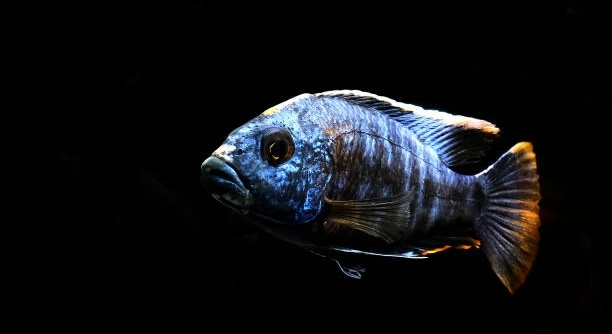
Glass beads are often chosen for cichlid tanks because of their smooth texture and aesthetic appeal. Many aquarists appreciate how they reflect light and enhance the overall look of the tank environment. However, there are important reasons to reconsider their use in these setups.
Glass beads can pose significant risks to cichlids by affecting water quality and fish health. Their smooth surface may promote harmful bacteria buildup, while their weight and size can disrupt natural behaviors. Additionally, glass beads do not support beneficial bacteria growth, impacting tank balance.
Understanding these issues can help ensure a safer and healthier environment for your cichlids. The following points will explain why glass beads may not be the best choice for your aquarium setup.
Impact on Water Quality
Glass beads do not allow water to flow as freely as natural substrates like sand or gravel. This restriction can cause dead zones where debris and waste accumulate, leading to poor water quality. Over time, this buildup can increase ammonia and nitrate levels, which are harmful to cichlids. Unlike porous substrates, glass beads cannot host beneficial bacteria needed for breaking down toxins in the tank. This lack of biological filtration weakens the tank’s natural cleaning process, making it harder to maintain stable water parameters. Maintaining clean water is essential for the health of your fish, and the choice of substrate plays a critical role in this.
The smooth, non-porous surface of glass beads limits bacteria colonization, reducing the tank’s ability to naturally cycle waste. This can result in increased maintenance needs and potential stress for your cichlids.
Choosing a substrate that supports beneficial bacteria helps keep the aquarium environment stable and less stressful for the fish. Natural substrates encourage these bacteria, supporting the nitrogen cycle and promoting a healthier habitat overall.
Risk of Injury to Cichlids
Glass beads are smooth but hard and heavy, which can cause injury to cichlids, especially species that dig or rearrange their environment. These fish often sift through the substrate looking for food or creating nesting areas. When they push glass beads around, the hard edges can scrape or damage their sensitive mouths, gills, or fins. Injuries increase the risk of infections and stress, weakening the fish’s immune system. Additionally, the beads may shift suddenly, trapping small fish or damaging delicate fins during these natural behaviors.
For cichlid keepers, avoiding substrate-related injuries is crucial to maintaining healthy fish.
In contrast, softer substrates like sand reduce the chance of physical harm during digging or burrowing. Sand cushions the fish’s body and prevents abrasions. It also allows natural behaviors without risking damage, improving overall well-being. For species that create nests or dig tunnels, sand is often preferred. It is easier for the fish to manipulate and less likely to cause injury. Using an appropriate substrate protects your cichlids while encouraging their natural activity, leading to a more balanced and healthy aquarium.
Difficulty in Cleaning
Glass beads can be difficult to clean because their smooth surface allows debris to settle in between easily. Unlike gravel or sand, waste often hides beneath the beads, making removal tricky during regular maintenance.
This hidden buildup creates a challenge when performing tank cleanings. Detritus and leftover food can accumulate under the beads, promoting bacterial growth and affecting water quality. It can be hard to thoroughly vacuum or siphon debris without disturbing the beads too much, which may cloud the water. Frequent cleaning is necessary, but even then, the beads can trap waste, reducing overall tank cleanliness.
Over time, this difficulty in cleaning can lead to a less healthy environment. Other substrates like sand are easier to rinse and maintain, helping to reduce waste buildup and making regular maintenance less of a hassle.
Lack of Natural Look
Glass beads do not resemble the natural environments where cichlids originate. Their shiny, artificial appearance can clash with the fish’s natural colors and behaviors.
Natural substrates like sand or fine gravel create a more authentic habitat, which helps cichlids feel comfortable and display natural behaviors. The bright, reflective nature of glass beads can cause stress or confusion, as it changes how light interacts within the tank. Cichlids often rely on their surroundings for camouflage and comfort, which glass beads do not provide. A natural-looking substrate supports their instincts and overall well-being better than glass beads. Choosing a more natural substrate helps create a peaceful, balanced environment for these fish to thrive in.
Weight and Stability Issues
Glass beads are much heavier than natural substrates of the same volume. This weight can create pressure on the tank bottom, especially in larger setups.
The heaviness also makes it difficult to rearrange decorations or plants without disturbing the entire substrate layer. This can be inconvenient when adjusting tank layouts.
Impact on Plant Growth
Glass beads do not provide nutrients or proper anchorage for live plants. Without nutrients in the substrate, plants struggle to root and grow well. Many aquatic plants rely on nutrient-rich, porous substrates to absorb minerals. Using glass beads can limit your ability to cultivate a planted tank or maintain healthy plant life, reducing overall tank aesthetics and oxygen levels.
Unsuitability for Certain Cichlid Species
Some cichlids prefer digging and moving substrate frequently. Glass beads can interfere with these behaviors, causing stress or abnormal actions.
FAQ
Why are glass beads not recommended for cichlid tanks?
Glass beads lack porosity, so they don’t support beneficial bacteria growth, which is essential for breaking down fish waste. They also trap debris underneath, making cleaning difficult and affecting water quality. Additionally, their hardness can injure digging cichlids, increasing stress and health risks.
Can glass beads cause harm to my cichlids?
Yes, the hard, smooth surface of glass beads can cause abrasions to sensitive parts like mouths and fins. When cichlids dig or move the substrate, they risk injury. These injuries can lead to infections and weakened immune systems, making the fish more vulnerable to illness.
Are there safer alternatives to glass beads?
Natural substrates like sand or fine gravel are better options. They support beneficial bacteria, are softer for digging fish, and are easier to clean. Sand mimics the natural environment of many cichlid species, promoting healthier behaviors and overall well-being.
Do glass beads affect water chemistry?
Glass beads are inert and generally do not change water chemistry. However, their inability to host beneficial bacteria means toxins like ammonia and nitrites may build up more easily. This can lead to unstable water parameters, which stress cichlids and reduce their health.
Will glass beads work for planted cichlid tanks?
Glass beads are not ideal for planted tanks. They lack nutrients and proper texture for roots to anchor well. Most aquatic plants prefer porous, nutrient-rich substrates to grow strong. Using glass beads may stunt plant growth and reduce oxygen levels in the tank.
How often do I need to clean tanks with glass beads?
Cleaning must be more frequent and thorough to prevent waste buildup beneath the beads. Despite regular maintenance, hidden debris can remain, making water quality harder to control. This can increase stress on fish and the risk of disease.
Can glass beads be mixed with other substrates?
While it’s possible, mixing glass beads with natural substrates may reduce some issues but won’t fully solve problems like injury risk or poor bacteria colonization. It’s often better to choose a substrate fully suited for cichlids’ needs instead.
Are glass beads visually appealing in an aquarium?
Glass beads offer a shiny, reflective look that some find attractive. However, their artificial appearance contrasts with natural fish colors and may cause stress. Natural substrates better replicate the cichlids’ habitat, promoting a calm and comfortable environment.
Will switching from glass beads to another substrate stress my fish?
Changing substrates can cause temporary stress, but it’s usually manageable with careful transition. Gradual acclimation and maintaining stable water parameters help reduce stress. Switching to a more suitable substrate benefits your fish’s long-term health.
Can glass beads break or chip inside the tank?
Glass beads are generally durable, but hard impacts or rough handling during cleaning can cause chips or breaks. Broken pieces may create sharp edges, increasing injury risk. Regular inspection is important to ensure the substrate remains safe for your cichlids.
Glass beads may seem like a neat option for cichlid tanks because of their smooth texture and shiny appearance. However, they come with several drawbacks that affect the overall health and well-being of your fish. The lack of porosity means they do not support beneficial bacteria growth, which is important for breaking down harmful waste products in the tank. This can make water quality harder to maintain and increase the risk of stress or illness in cichlids. Also, their weight and hardness may lead to physical injuries, especially for species that like to dig or rearrange their environment.
Choosing the right substrate plays an important role in creating a stable and healthy aquarium. Natural substrates like sand or fine gravel better support the biological needs of cichlids. These materials encourage the growth of beneficial bacteria, allow better water flow, and provide a softer surface that protects delicate fins and mouths from damage. They also allow cichlids to carry out their natural behaviors more comfortably, such as digging and nesting. Additionally, natural substrates tend to look more like the fish’s original habitat, helping to reduce stress and support a more balanced tank environment.
In summary, while glass beads might look attractive at first glance, they are not the best choice for a cichlid tank when considering long-term fish health and tank maintenance. Natural substrates offer many advantages that glass beads cannot match, including better support for bacteria, easier cleaning, and a safer, more natural environment for your fish. Taking these factors into account will help you create a healthier home for your cichlids, ensuring they thrive and display their best colors and behaviors. Making an informed substrate choice is a key step in successful cichlid keeping.

Hello,
If you enjoy the content that we create, please consider saying a "Thank You!" by leaving a tip.
Every little bit helps us continue crafting quality advice that supports the health, happiness, and well-being of pets around the world, for pets of all shapes, sizes, and species.
We really appreciate the kindness and support that you show us!