
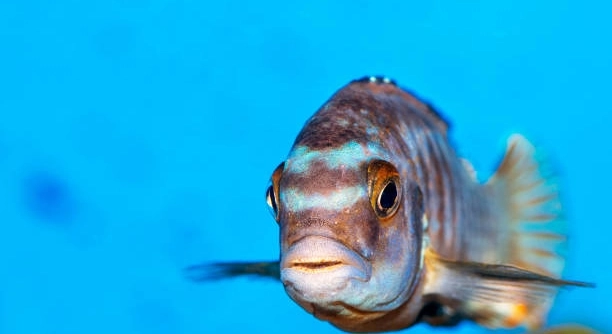
African cichlids are popular aquarium fish known for their vibrant colors and active behavior. Many fishkeepers enjoy watching their interactions and wonder if these fish can form social bonds. Understanding their social nature helps improve care and tank environments.
African cichlids do exhibit social behaviors, but what appears as friendships is mainly territorial or hierarchical interactions. These fish establish dominance and social order rather than forming true bonds like mammals. Their social structure is complex but not based on friendship as humans understand it.
Learning about their social habits can help fishkeepers create better habitats and reduce stress for these lively fish. Understanding cichlid behavior enriches the aquarium experience and supports their well-being.
Understanding African Cichlid Behavior
African cichlids are known for their strong territorial instincts. In a tank, they often establish clear boundaries and show aggression to protect their space. This behavior is natural and helps maintain order among the fish. You might see chasing, nipping, or displaying bright colors to warn others. These actions are signs of dominance, not companionship. At the same time, some cichlids live in groups, which can create a loose social structure. They recognize each other but don’t develop bonds like mammals do. Their interactions are more about survival and hierarchy. Knowing this helps in setting up the tank properly. It’s important to provide hiding spots and enough space to reduce conflicts. Watching them navigate these social rules can be interesting and teaches patience as you adjust the environment to keep peace among the fish. This balance ensures they live healthier and less stressed lives.
Territorial behavior in cichlids is a key factor in their social interactions and tank dynamics.
Tank setups with plenty of hiding places and visual barriers can reduce aggression and improve fish well-being.
How to Manage Cichlid Social Interactions
Careful planning of tank size and layout is essential for managing cichlid groups. Overcrowding increases stress and fighting, while too few fish can make dominant ones overly aggressive. It’s best to research the specific species’ social needs before adding them. Some cichlids do better in larger groups, where dominance is shared, while others prefer solitude. Regular observation helps spot signs of stress or injury early. Adjusting the environment by rearranging rocks or adding plants can change territorial boundaries and reduce fights. Feeding routines also affect behavior—consistent feeding times and quality food help keep the fish calm. Remember that cichlids rely heavily on their surroundings for security, so maintaining clean water and stable conditions is crucial. Managing their social life well leads to a more peaceful tank and allows you to enjoy their natural behaviors without constant worry.
Signs of Social Interaction in Cichlids
Cichlids often display specific behaviors that indicate social interaction. These include chasing, displaying colors, and resting near each other. While these actions are mostly about territory, they also show some recognition among fish.
Many cichlids recognize familiar tank mates and may avoid constant conflict with them. This recognition reduces stress and helps maintain a stable environment. Though not friendships, this behavior shows a level of social awareness. In some species, fish may swim together briefly or share spaces without aggression. Observing these interactions can be rewarding, as it reveals how they navigate their social world. The level of tolerance depends on species, tank size, and individual temperament. Understanding these signs helps in managing the tank better, ensuring all fish have room to coexist peacefully.
These social cues are essential for maintaining balance and reducing stress in a community tank setting. They help create a more comfortable habitat for cichlids and make the aquarium experience more enjoyable.
Importance of Environment in Social Dynamics
The tank environment greatly affects how cichlids interact. Proper space and hiding places reduce fights and stress. Rocks, caves, and plants create barriers that break up sight lines and help fish avoid constant conflict. This setup mimics their natural habitats, where territories are well-defined and separated.
Without enough space or structure, aggression increases, and weaker fish may be bullied or injured. Clean water and stable conditions also play a role in their behavior. Poor water quality stresses fish and can worsen aggression. Regular maintenance and monitoring water parameters help keep fish healthy and calm. Environmental changes, like rearranging decorations, can reset territorial boundaries and reduce tension when conflicts arise. A well-planned tank encourages more peaceful interactions and helps cichlids thrive. The right environment is key to managing their complex social behavior effectively.
Choosing Compatible Cichlid Species
Not all cichlid species get along well. Some are more aggressive, while others are peaceful. Selecting species with similar temperaments helps reduce conflict in the tank.
Mixing very aggressive cichlids with shy ones can cause stress and injury. Researching species behavior before combining them is important for harmony.
Feeding and Its Effect on Behavior
Feeding routines influence how cichlids act around each other. Consistent feeding times help reduce competition and aggression. Quality food supports health and calm behavior. Overfeeding or irregular feeding can increase stress and fights, so moderation is key to a peaceful tank environment.
Recognizing Stress in Cichlids
Stress shows through hiding, color loss, or erratic swimming. These signs mean the environment or social setup may need adjustment.
Benefits of Observing Your Cichlids
Watching their behavior regularly helps catch issues early and improves overall care.
FAQ
Can African cichlids really recognize each other?
African cichlids can recognize other fish in their tank, especially those they see regularly. This recognition helps reduce constant fighting because they learn who is dominant and who to avoid. While it’s not the same as forming friendships, it shows they have some social awareness. Fish may remember others after separation, but the strength of this memory depends on the species and individual fish.
Do cichlids need to be kept in groups or alone?
Whether cichlids do better in groups or alone depends on the species. Some species are more social and feel safer in groups, while others prefer solitude. For social species, keeping a small group helps spread aggression, so no one fish gets picked on all the time. Solitary species need more space and careful tank mates to avoid stress.
How can I reduce aggression in a cichlid tank?
To reduce aggression, provide plenty of hiding spots and visual barriers like rocks and plants. Avoid overcrowding and choose compatible species with similar temperaments. Feeding the fish regularly and on schedule also helps keep them calm. If fighting persists, rearranging decorations can reset territorial boundaries and reduce tension.
Can cichlids form long-term bonds?
Cichlids don’t form long-term bonds like mammals or birds. Their social behaviors focus on survival and territory. They may tolerate certain tank mates and show recognition, but they don’t build lasting relationships. The closest behavior to bonding is stable dominance hierarchies where fish learn their place in the group.
What signs show that cichlids are stressed?
Stress in cichlids appears as hiding often, dull colors, loss of appetite, or erratic swimming. Aggression can also increase if fish feel threatened. These signs usually mean the tank environment or social setup isn’t working well. Checking water quality, tank size, and tank mate compatibility helps identify causes of stress.
Is it okay to mix different species of African cichlids?
Mixing different species is possible but requires care. Choose species with similar aggression levels and space needs. Mixing very aggressive and peaceful species often leads to stress and injury. Researching each species’ behavior beforehand is key to creating a peaceful community.
How important is water quality for cichlid behavior?
Water quality is very important. Poor water conditions cause stress and illness, which often leads to increased aggression. Regular water changes and monitoring parameters like pH, temperature, and ammonia levels keep fish healthy and calm. A stable environment supports better social interactions.
What role does tank size play in cichlid social behavior?
Tank size affects how much space each fish has to claim territory. Smaller tanks can increase aggression because fish feel crowded. Larger tanks provide room for multiple territories and hiding spots, helping to reduce conflict. Always match tank size to the number and species of cichlids kept.
How often should I rearrange the tank decorations?
Rearranging decorations every few months can help reduce built-up aggression by breaking established territories. However, frequent changes may stress fish, so it’s best to do it gradually and not too often. Observing your fish will help decide when a rearrangement is needed.
Can cichlids live peacefully with other types of fish?
Some cichlids can live with other fish, but compatibility depends on the species’ aggression and size. Smaller, peaceful fish may be bullied or eaten. Choosing tank mates with similar behavior and size reduces risks. Always watch interactions closely after adding new fish.
Final Thoughts
African cichlids are fascinating fish with strong personalities. Their behavior often revolves around territory and survival rather than building bonds like animals we usually think of as social. While they don’t form friendships, they do show recognition of other fish in their tank and create a kind of social order. This understanding helps keep them safe and reduces constant fighting. Watching how they interact can be interesting, especially once you know what their actions mean. Knowing their natural behaviors allows you to set up a tank that supports their needs better.
Creating the right environment is very important for these fish. Cichlids need enough space to establish their own territories. Having plenty of rocks, plants, and hiding spots helps break up the tank and lowers aggression. Without enough room or places to hide, fights can become serious and stress levels rise. Clean water and stable conditions also play a big role in keeping them calm and healthy. When you pay attention to these details, your cichlids are more likely to live peacefully together. Taking time to arrange the tank thoughtfully can make a big difference in their behavior.
Managing social dynamics with African cichlids requires patience and observation. Choosing compatible species and feeding them well at regular times helps keep peace. Sometimes, small changes like moving decorations can reset territories and reduce fights. Watching for signs of stress or aggression lets you know when something needs to be adjusted. Although they don’t form close bonds like mammals, their social awareness is clear and worth respecting. By understanding these fish better, you create a happier, healthier home for them and enjoy a more balanced aquarium experience.

Hello,
If you enjoy the content that we create, please consider saying a "Thank You!" by leaving a tip.
Every little bit helps us continue crafting quality advice that supports the health, happiness, and well-being of pets around the world, for pets of all shapes, sizes, and species.
We really appreciate the kindness and support that you show us!