
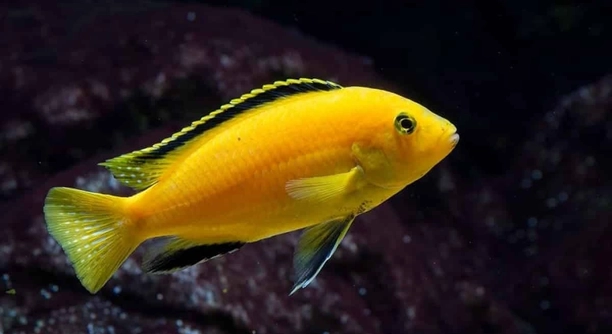
Is your cichlid acting different lately, spending more time resting at the bottom of the tank or hiding in corners?
Cichlids may appear tired when they are actually sick, especially if they show signs like clamped fins, loss of appetite, or changes in color. Careful observation of behavior, eating habits, and physical appearance is key.
Learning how to tell the difference helps you catch health problems early and keep your fish happy and safe in its tank.
Common Signs Your Cichlid Might Be Sick
Cichlids often show subtle signs when they’re not feeling well. You might notice a loss of appetite, sluggish swimming, or unusual hiding. Changes in color, clamped fins, or rapid breathing are also signs of illness. Sometimes they hover near the surface or rub their bodies against tank decorations, which can point to external parasites or irritation. Faded colors, bloated bellies, and white spots may suggest specific conditions like infections or parasites. It’s important to monitor your fish daily, especially if their behavior changes suddenly. Even small changes can indicate something is off with their health or environment.
Healthy cichlids are alert, active, and eager to eat. If your fish avoids food or stays near the bottom of the tank, it may need help.
Keep a log of your fish’s behavior, appearance, and feeding habits. This helps track changes over time and makes it easier to act early when something seems wrong.
When It’s Just Tired Behavior
Sometimes, your cichlid is just resting. Cichlids may rest near the bottom after feeding, when lights are off, or during changes in their environment.
Resting behavior in cichlids can look very similar to illness, but there are a few details to watch for. A tired fish will still show interest in food and respond when you approach the tank. It may rest more in the evening or early morning, especially if your lighting schedule is consistent. Changes in temperature, rearranged tank décor, or the addition of other fish can also cause brief stress that leads to more resting. If your cichlid looks healthy otherwise—no visible injuries, bright eyes, and steady breathing—it’s likely just taking a break. Cichlids also have individual personalities, and some are naturally more relaxed. As long as the fish returns to its usual behavior soon and continues eating well, it’s probably not sick.
Environmental Stress Can Cause Confusing Behavior
Stress from tank conditions can make a healthy cichlid seem tired or sick. Poor water quality, sudden changes, or overcrowding often lead to abnormal behavior. Stress weakens their immune system, making them more vulnerable to illness over time.
Check your tank’s temperature, pH, and ammonia levels regularly. Even small imbalances can affect your fish. Cichlids prefer stable conditions, so sudden changes can lead to stress. Overcrowding and aggressive tankmates can also create problems. If your fish looks dull or inactive after a water change or equipment adjustment, it may be reacting to the environment rather than an illness. Keep the tank clean, avoid overfeeding, and make changes slowly. A stressed fish may hide or refuse food, which is why observation is so important. If behavior improves within a day or two, stress was likely the issue.
Make sure your tank setup supports your cichlid’s needs. Each species has different preferences. Decorations should offer hiding spaces, and the filter must be strong enough to keep the water clear but not too powerful to cause constant movement. If your fish appears stressed often, it may be reacting to something in the tank setup. Changing one thing at a time helps you figure out what’s wrong without overwhelming your fish.
Physical Symptoms to Watch Closely
Look for white spots, torn fins, red streaks, or cloudy eyes. These are common signs of illness that should not be ignored. Slow swimming or floating strangely also point to physical problems that need attention.
Diseases in cichlids can progress quickly if left untreated. Parasites often cause scratching or small white dots on the body. Bacterial infections may lead to redness, ulcers, or bloated bellies. Fungal issues usually show as cotton-like patches. Swim bladder problems can make a fish float upside down or struggle to stay balanced. Even constipation can affect buoyancy and energy. Watch how your fish moves, breathes, and eats. If something looks off and lasts more than a day or two, it’s best to isolate the fish and seek advice. Treatments vary, and using the wrong one can make things worse. Early action helps prevent spreading illness in the tank.
Monitor Feeding and Activity Patterns
If your cichlid skips meals, eats less than usual, or spits out food, that’s a sign something could be wrong. Healthy cichlids have a steady appetite and respond quickly at feeding time.
A drop in activity is also a warning. While short rest periods are normal, long stretches of stillness can mean illness.
When to Separate the Fish
If symptoms last more than a couple of days or worsen, move the cichlid to a separate tank. Isolation helps protect the others and makes treatment easier. Keep water conditions stable and reduce stress by keeping the tank quiet and lights low. Observe closely for any new signs while the fish is alone.
Never Ignore Ongoing Changes
Behavior that continues for more than a few days often points to a problem. Quick action keeps the rest of your tank safe and gives your cichlid a better chance to recover.
FAQ
How long should a cichlid rest during the day?
Cichlids do not need long rest periods throughout the day. If your cichlid is healthy, it might rest briefly after eating or during quiet moments in the tank. These rest periods usually last just a few minutes. A cichlid that stays at the bottom or hides for hours without interest in its surroundings may be showing early signs of stress or illness. While some species are naturally calmer, active swimming and curiosity are common behaviors. If resting periods become frequent or last too long, it’s time to check water quality and observe for other symptoms.
What does clamped fins mean and why does it matter?
Clamped fins mean your cichlid is holding its fins tightly against its body instead of spreading them. This is not normal and usually signals that something is wrong. It’s often one of the earliest signs of stress, poor water quality, or illness. A healthy cichlid will display open, active fins as it moves around. When fins stay closed or tight, especially for more than a few hours, it’s a warning to check your tank’s temperature, ammonia levels, and pH. Clamped fins can also come before other symptoms like color loss or loss of appetite, so it should not be ignored.
Is hiding a normal behavior for cichlids?
Hiding can be normal, especially if your cichlid is new to the tank or if the environment has changed. Some cichlids hide more than others, depending on species and personality. However, if a fish that was previously social suddenly starts hiding all the time, that’s a concern. It could be a sign of stress, aggression from other fish, or illness. Make sure your tank has enough hiding spots and that there is no bullying from tankmates. If the hiding continues for more than a day or two, and the fish eats less or becomes dull in color, check for other health issues.
What if my cichlid is breathing fast?
Rapid breathing usually means your fish is stressed or struggling with oxygen. This can happen when ammonia levels rise, the water is too warm, or the filter isn’t working properly. Look for gasping at the surface, which signals a serious problem. Fast breathing can also occur with gill infections or parasites. Check water parameters immediately. Even if everything seems fine, it’s smart to do a partial water change just to be safe. If your fish doesn’t calm down within a few hours or starts showing other symptoms, move it to a separate tank and consider treatment options.
Can cichlids get sick from overfeeding?
Yes, overfeeding can lead to health problems like bloating, constipation, and dirty water. Excess food breaks down and increases ammonia, which stresses your fish and creates conditions for illness. Feed cichlids once or twice a day in small amounts they can eat within two minutes. If food remains uneaten, remove it quickly. Watch your fish’s belly—if it looks swollen or if the fish struggles to swim properly, cut back on feeding. Proper feeding supports digestion and keeps the tank clean, which lowers the risk of both illness and stress.
Should I treat my fish if I’m not sure it’s sick?
It’s better to wait and observe than to treat without a clear reason. Some treatments can stress your fish even more, especially if the diagnosis is wrong. Focus on keeping water conditions perfect, and isolate the fish if behavior worsens. Only start treatment if symptoms continue or become obvious, like white spots, open sores, or extreme lethargy. Using medications without knowing the cause can harm beneficial bacteria in the tank. Observation is often more useful in the early stages than rushing to medicate. When in doubt, test the water and make gradual improvements first.
Final Thoughts
Telling the difference between a tired cichlid and a sick one can be hard, especially when the signs are subtle. Cichlids rest from time to time, but long periods of inactivity, poor appetite, or changes in behavior should not be ignored. While short resting times are normal, especially after feeding or during changes in lighting, anything that lasts too long could signal a health issue. Paying close attention to your fish every day helps you notice changes early. It only takes a few minutes to check if your cichlid is swimming normally, eating well, and interacting with its surroundings.
If you suspect your fish might be sick, start by checking the water conditions. Most problems in aquariums begin with water quality. Make sure the temperature is stable, the pH is balanced, and ammonia or nitrite levels are at zero. These are small details, but they make a big difference in how your cichlid feels. Clean water helps your fish stay healthy and less stressed. Also, watch for signs like clamped fins, white spots, bloated bellies, or cloudy eyes. These signs should not be brushed off. If you see anything unusual, it’s a good idea to isolate the fish and monitor it closely before choosing any treatment.
Keeping a calm and stable environment is one of the best things you can do for your cichlid. Avoid sudden changes, feed the right amount, and give your fish space to rest without being disturbed. Every fish has its own personality, so knowing what’s normal for your cichlid will help you recognize when something’s wrong. It’s okay to feel unsure at times—many fish keepers go through the same experience. The more time you spend observing your tank, the easier it becomes to notice small changes. With simple routines and careful attention, you can support your cichlid’s well-being and respond early when things aren’t right.

Hello,
If you enjoy the content that we create, please consider saying a "Thank You!" by leaving a tip.
Every little bit helps us continue crafting quality advice that supports the health, happiness, and well-being of pets around the world, for pets of all shapes, sizes, and species.
We really appreciate the kindness and support that you show us!