
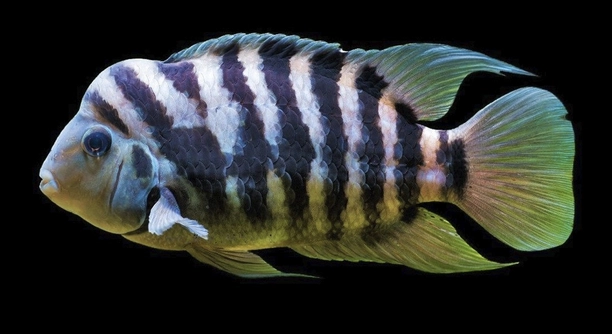
Do you keep multiple cichlids in one tank and wonder if crowding them together might actually be helpful rather than harmful?
Overcrowding in cichlid tanks can reduce aggression by spreading out territorial behavior, creating a more stable environment. This setup also encourages natural schooling, helps manage hierarchy, and can improve overall fish health when maintained correctly.
While it may seem counterintuitive at first, this approach has its own advantages when managed carefully and with proper filtration in place.
Less Aggression, More Peace
Cichlids are naturally territorial fish. In a sparsely populated tank, one or two dominant cichlids often claim large areas and bully weaker ones. This leads to constant chasing, stress, and injuries. Overcrowding helps by breaking up these territories. With more fish, no single cichlid can control a large space, making it harder for aggressive behavior to dominate. Instead, the attention of the aggressive ones gets spread out among many fish, reducing the pressure on any single tank mate. This allows all the cichlids to settle into a more peaceful rhythm. Of course, the tank must still be large enough to hold the group comfortably and must have excellent filtration. But when done properly, overcrowding can create a safer and more stable environment. It’s a practical solution that balances natural behavior with the reality of tank life.
This approach can feel odd at first, but many experienced keepers swear by it.
When I first tried overcrowding, I was hesitant. But over time, I saw a real difference in the tank’s atmosphere. The constant fighting stopped. Fish that used to hide started coming out more often, and overall, the tank looked calmer. It also made feeding easier since everyone had access to food without being chased away.
Healthier Social Structure
A well-stocked tank helps prevent one fish from controlling everything.
In an overcrowded setting, cichlids form smaller groups and shift their focus. Rather than constantly battling for dominance, they begin to interact in a more balanced way. Social hierarchies still exist, but they’re less harsh. This means less stress and fewer injuries. Fish that would normally be bullied can find safety in numbers. You’ll also notice more natural behaviors like group swimming and territorial bluffing rather than actual fighting. These changes lead to stronger immune systems since less stress equals better health. Over time, your fish may even start breeding more consistently because they feel safe and secure. This kind of tank setup also helps younger or smaller cichlids grow without being constantly picked on. Just remember, filtration and regular water changes are key. With the right care, overcrowding can actually bring out some of the most natural and rewarding behaviors your cichlids have to offer.
Better Use of Tank Space
Overcrowding encourages cichlids to move throughout the entire tank instead of staying in just one area. This results in more active and balanced use of the available space, creating a livelier environment.
When a tank is understocked, cichlids tend to claim large territories and defend them aggressively. This leads to many parts of the tank going unused, while other fish stay hidden. In an overcrowded setup, no single fish can dominate a section, so they start exploring more freely. This spreads activity across the entire tank and makes your aquarium look fuller and more vibrant. Decorations, plants, and rocks become shared hiding spots instead of personal zones. It also makes your setup more efficient, especially if you’ve invested time in creating an aquascape. You’ll see fish moving in and out of areas you rarely noticed before, and overall, the tank feels more alive.
I used to notice that some parts of my tank stayed empty while others were chaotic. After increasing the number of cichlids, movement became more even. Fish stopped guarding specific rocks or corners. Instead, they took turns weaving through plants, hiding in caves, or hovering near the top. It made my tank look better and made watching them more enjoyable. Even shy cichlids started coming out more often.
Improved Filtration Efficiency
With more fish producing waste, a strong filtration system becomes necessary and gets used to its full capacity. This keeps the water quality stable and consistent.
Overcrowding forces you to upgrade your filter or maintain it more often, which can actually be a good thing. In tanks with low stocking, filters might not cycle properly due to low ammonia levels, especially in newer setups. With more fish, beneficial bacteria grow more quickly and stay active, helping to process waste efficiently. The added bio-load keeps the nitrogen cycle stable. As long as you’re doing regular water changes and keeping the filter clean, the water can remain very healthy. A consistent maintenance routine becomes part of the setup and ends up preventing larger issues. While it takes more effort, the payoff is worth it—stable parameters, fewer health problems, and clearer water all around. Over time, this setup becomes easy to manage with a good routine.
Easier Feeding Behavior
In overcrowded tanks, food competition is more evenly spread. No single fish can dominate feeding time, which helps ensure everyone gets a chance to eat. This reduces stress during meals and makes feeding sessions smoother overall.
It also encourages faster feeding habits. Fish learn to grab food quickly, which keeps uneaten food from sinking and spoiling the water. This helps maintain better water quality over time.
Encourages Natural Breeding
Overcrowded tanks create a more natural setting for certain cichlids to breed. The constant activity and presence of other fish simulate their wild environment, making some species feel secure enough to lay eggs. Multiple hiding places also give breeding pairs space to protect their young. While not all cichlids will breed in this setup, many will show signs of pairing and courtship more often. The distractions of other fish can even help protect fry, as aggressors are less focused on one specific area. If you want to raise fry successfully, you may still need a separate tank, but overcrowding often helps trigger the breeding process.
More Engaging to Watch
There’s always movement and interaction happening in an overcrowded cichlid tank. It makes daily viewing more interesting and dynamic, even during calm moments.
FAQ
Isn’t overcrowding stressful for cichlids?
Overcrowding can be stressful if the tank is too small or not properly maintained. But when done right—with enough space, strong filtration, and hiding spots—it actually helps reduce stress. Instead of one or two fish being bullied, aggression gets spread out. This lowers the pressure on each fish and creates a calmer group dynamic. I’ve found my cichlids less nervous and more social after adjusting the numbers in the tank. Water quality and proper setup are key to making it work well.
How many cichlids should I keep in an overcrowded tank?
There’s no exact number, as it depends on tank size and species. For example, in a 55-gallon tank, keeping 15–20 medium-sized cichlids can work if filtration and water changes are consistent. It’s not about stuffing the tank with fish; it’s about stocking enough to balance aggression. Always observe behavior after adding new fish. If the tank feels tense or fights increase, you may need more cover, hiding spots, or slightly adjust the number.
What type of filter is best for overcrowded tanks?
A strong filter that can handle a high bio-load is essential. Canister filters or powerful hang-on-back filters are great choices. Some hobbyists also use sponge filters as backups for added oxygen and bacteria housing. I use a combination of a canister filter and a sponge filter to keep things running smoothly. The key is having enough filtration to process waste and keep the water clear. Regular maintenance is just as important as filter strength.
How often should I do water changes in an overcrowded cichlid tank?
Water changes should be done weekly, at a minimum. I usually change about 40–50% of the water every week. In heavily stocked tanks, this helps keep ammonia, nitrites, and nitrates in check. Sometimes I do two smaller changes if things seem off. Watch your water parameters closely—testing weekly helps catch problems early and keeps the tank stable.
Will all types of cichlids benefit from overcrowding?
Not all cichlids respond the same way. African cichlids from Lake Malawi, like mbunas, often do well in overcrowded setups. They’re very aggressive by nature, and spreading that aggression helps the group. However, larger South American species like Oscars may not benefit in the same way. They need more personal space and often become more stressed in crowded tanks. Research your species first to see if this method is a good fit.
Can I still add plants in an overcrowded tank?
Yes, but it depends on the type of cichlid. Some cichlids, especially mbunas, love digging and may uproot or eat live plants. Hardy plants like java fern, anubias, or plants anchored to rocks or wood tend to do better. I use mostly fake plants and rock structures to avoid issues. Just make sure plants or decorations don’t take up too much swimming space. The goal is to give enough cover without cluttering the tank.
How do I know if overcrowding is working?
You’ll see less chasing, more active swimming, and fewer fish hiding constantly. Your fish will look healthier and more relaxed. During feeding, they’ll all come out instead of waiting until others finish. I always watch closely for changes in behavior after making stocking changes. If stress signs return, it may mean the balance is off or the water quality needs improvement.
Do I need to overfeed in an overcrowded tank?
No, overfeeding is risky and can lead to bad water conditions. I feed my cichlids once or twice a day in small portions. Everyone usually gets something, especially when the aggression is balanced. It’s better to feed less and keep water quality high. Overfeeding creates waste buildup, which can undo the benefits of a well-managed overcrowded tank.
What are the risks of overcrowding?
The biggest risks are poor water quality and increased disease if the tank isn’t properly cared for. Overcrowding needs more filtration, more frequent maintenance, and careful monitoring. If those things are ignored, fish can get sick quickly. I’ve learned to stay on top of cleaning and testing—otherwise, things spiral fast. When done right, though, the benefits outweigh the risks.
Do I need more hiding spots in an overcrowded tank?
Yes. Hiding spots are crucial. Even in a busy tank, fish still need a place to retreat. Rocks, caves, stacked decor, or PVC pieces all work well. I like to create layers with rocks so several fish can use the same structure without clashing. Spread them around to break up sight lines.
Final Thoughts
Overcrowding a cichlid tank may sound like a risky idea at first, but when done correctly, it can lead to many benefits. It helps reduce aggression, improves group behavior, and keeps fish more active throughout the tank. Many cichlid keepers have found that adding more fish—along with strong filtration and regular water changes—can actually lead to a calmer and more balanced aquarium. The key is not just adding more fish, but making sure the tank can support them. That means enough space, strong filters, and a layout that includes hiding spots and breaks in sightlines. These small changes help your fish feel safer and reduce stress.
I’ve noticed that my own cichlids became more active and less aggressive after I tried this method. Feeding time became easier, and the tank felt more alive. Before, I had one or two fish chasing the others constantly. After increasing the numbers, that behavior almost disappeared. The fish spread out their attention, and nobody got singled out. Watching them became more enjoyable, and I felt more confident in the setup. It does take a bit more work, especially with maintenance, but the result was worth it. Cleaner water, healthier fish, and fewer signs of stress made it a setup I’ve continued to use.
Overcrowding isn’t for every tank or every fish. You still need to research your specific cichlid species and make sure your tank size can support the group. Some species don’t do well in busy environments, while others thrive. It’s also not a shortcut to skip proper care—filters still need cleaning, and water still needs to be changed regularly. But if you’re willing to keep up with the routine, overcrowding can turn a stressful tank into a stable and peaceful one. It’s not the most common approach, but for many cichlid keepers, it’s become a trusted method that brings out better behavior and better health in their fish.

Hello,
If you enjoy the content that we create, please consider saying a "Thank You!" by leaving a tip.
Every little bit helps us continue crafting quality advice that supports the health, happiness, and well-being of pets around the world, for pets of all shapes, sizes, and species.
We really appreciate the kindness and support that you show us!