
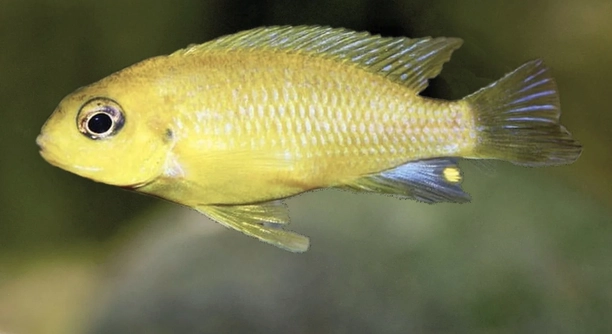
African cichlids are popular aquarium fish known for their vibrant colors and active behavior. Sometimes, you might notice your cichlid shaking or twitching in the tank. This behavior can be concerning for fish owners who want to keep their pets healthy.
Shaking or twitching in African cichlids is often a response to stress, irritation from parasites, poor water quality, or underlying health issues. Identifying the cause requires observing the environment and physical condition of the fish carefully.
Understanding why your cichlid behaves this way can help you take the right steps to improve its wellbeing and maintain a healthy aquarium environment.
Common Causes of Shaking or Twitching in African Cichlids
African cichlids may shake or twitch for several reasons. One common cause is stress, often triggered by changes in their environment like new tankmates or fluctuating water conditions. Poor water quality can irritate their skin and gills, leading to twitching movements. Parasites and infections are also frequent causes. For example, ich or flukes can make fish scratch themselves against surfaces. Another factor is oxygen levels—low oxygen in the tank can cause erratic swimming or shaking. Sometimes, shaking is a sign of internal issues like swim bladder problems or neurological conditions. Noticing other symptoms such as loss of appetite or discoloration can help identify these problems.
Monitoring water parameters like pH, ammonia, and nitrite regularly is important to prevent these issues. Keeping the tank clean and stable will help reduce stress and the chance of twitching behavior.
Addressing these causes early can improve your cichlid’s health and comfort in the aquarium.
How Water Quality Affects Cichlid Behavior
Poor water quality directly impacts cichlid health and behavior.
Dirty or imbalanced water can cause irritation that leads to shaking. High ammonia or nitrite levels damage the fish’s gills, making it difficult to breathe. This stress often results in twitching or rapid movements as the fish tries to adjust. Maintaining stable temperature and pH levels is also critical. Sudden changes can shock the fish and trigger stress behaviors. Regular water changes and proper filtration help keep the environment safe and comfortable for your cichlid. Testing water weekly ensures any issues are caught early before they affect the fish’s wellbeing.
Recognizing Parasites and Infections
Parasites and infections can cause shaking or twitching as the fish reacts to discomfort. External parasites like ich appear as small white spots on the skin and gills. These spots cause irritation, prompting the cichlid to twitch or rub against objects. Flukes, another parasite, often attach to the gills and cause breathing difficulties along with twitching. Bacterial and fungal infections may also be present if the fish has sores or patches of discoloration. These conditions weaken the fish’s immune system and cause visible stress behaviors.
Early detection is key to effective treatment. Observing your cichlid daily helps you notice changes quickly. Quarantining new fish before adding them to the main tank can prevent parasite introduction. Treatments vary depending on the specific infection but usually include medicated baths or water treatments. Proper diagnosis and prompt care will improve recovery chances and reduce the shaking symptoms.
Stress and Tank Environment
Stress plays a major role in cichlid twitching behavior.
Stress can result from overcrowding, aggressive tankmates, or lack of hiding places. Cichlids need space and a suitable environment to feel secure. When stressed, they may shake or twitch as a response to discomfort or fear. Poor diet or sudden changes in lighting can also contribute to stress. Regular tank maintenance and careful selection of compatible fish help minimize these problems. Providing caves or plants for hiding creates a more natural and calming environment. Stress reduction leads to calmer behavior and a healthier fish overall.
Swim Bladder Issues
Swim bladder problems can cause your African cichlid to twitch or shake as it struggles to maintain balance.
The swim bladder helps fish control buoyancy. When it’s affected by infection, injury, or poor diet, the fish may have difficulty swimming properly. This often leads to erratic movements or twitching as it tries to stabilize itself in the water. Overfeeding or feeding inappropriate food can also contribute to swim bladder disorders.
Treatment involves adjusting diet, improving water quality, and sometimes using medications. Providing a varied diet with high-quality pellets and occasional vegetables can help prevent these issues. Keeping an eye on your fish’s behavior and appearance is important to catch problems early.
Temperature and Its Effects
Temperature changes influence fish behavior and health.
Sudden drops or rises in water temperature can shock African cichlids, causing twitching or shaking. Stable temperatures reduce stress and keep fish comfortable. Ideal temperatures for most cichlids range from 75°F to 82°F (24°C to 28°C).
Long-term exposure to improper temperatures weakens the immune system, making fish vulnerable to infections and parasites. Using a reliable heater and thermometer helps maintain steady conditions. Avoid placing the tank near drafts, direct sunlight, or heating vents to prevent fluctuations. Monitoring temperature regularly supports your cichlid’s overall wellbeing and reduces twitching caused by environmental stress.
Nutritional Deficiencies
Poor diet can lead to shaking or twitching in African cichlids. A lack of essential vitamins and minerals weakens their health and causes nervous system issues.
Providing a balanced diet with quality pellets, frozen foods, and vegetables helps prevent deficiencies and keeps your fish active and healthy.
Overcrowding Effects
Too many fish in one tank increase stress and aggression. Overcrowding reduces oxygen levels and causes competition for space and food, which can lead to shaking or twitching behavior.
Maintaining an appropriate number of fish per tank size ensures better health and calmer behavior in your cichlids.
Medication and Treatment Precautions
Using medications incorrectly may worsen shaking or twitching. Always follow dosing instructions and avoid mixing treatments unless advised by a specialist.
Observe your fish carefully during treatment to catch any negative reactions early, ensuring the best chance of recovery.
FAQ
Why is my African cichlid shaking but still eating?
Shaking can occur due to mild irritation or stress while the fish remains healthy enough to eat. This might be caused by minor water quality issues or temporary environmental changes. If the fish eats normally and shows no other symptoms, monitor water parameters and behavior closely before taking further action.
Can shaking be a sign of disease in African cichlids?
Yes, shaking often indicates underlying health problems like parasites, bacterial infections, or swim bladder disorders. These conditions irritate the fish or affect its nervous system, causing twitching movements. Early detection and treatment are important to prevent worsening health.
How quickly should I act if my cichlid starts shaking?
Immediate attention is recommended if shaking is frequent or accompanied by other signs such as loss of appetite, discoloration, or lethargy. Test water quality, check for parasites, and ensure the tank environment is stable. Prompt action can prevent serious illness.
Is poor water quality the most common cause of twitching?
Yes, poor water quality is a frequent cause of twitching in African cichlids. High ammonia, nitrite, or nitrate levels irritate their gills and skin, causing discomfort. Regular water changes and filtration keep the tank safe and reduce twitching behavior.
Can shaking be caused by stress from tankmates?
Aggressive or incompatible tankmates can stress cichlids, leading to shaking or twitching. Territorial disputes or bullying may cause the fish to react nervously. Providing enough space and hiding spots can reduce stress and improve behavior.
Are swim bladder problems reversible?
Swim bladder issues can often be managed with proper care. Adjusting diet, improving water quality, and avoiding overfeeding can help. Some cases require medication. Early detection and treatment improve the chances of recovery.
Does temperature fluctuation cause shaking?
Yes, sudden temperature changes can shock fish and cause twitching. Maintaining a stable temperature within the ideal range is critical for cichlid health. Using a heater and thermometer helps prevent harmful fluctuations.
How do I know if shaking is caused by parasites?
Look for additional signs like white spots (ich), redness, or rubbing against tank objects. Parasites cause irritation that leads to shaking. A thorough visual inspection and sometimes treatment trials may be necessary for diagnosis.
Can diet affect twitching behavior?
Nutritional deficiencies can weaken the nervous system and cause shaking. Feeding a varied and balanced diet helps maintain overall health and prevent twitching caused by poor nutrition.
Is twitching normal behavior in African cichlids?
Occasional twitching may occur during feeding or interaction but frequent or continuous shaking is not normal. It usually signals discomfort or health problems requiring attention.
Should I isolate a shaking fish?
Isolating a shaking fish in a quarantine tank can prevent spreading disease and allow closer monitoring. Quarantine also reduces stress from other fish, which helps recovery.
Can poor oxygen levels cause shaking?
Low oxygen levels stress fish and may cause twitching or erratic movements. Proper aeration and circulation are important to maintain oxygen-rich water.
Will shaking affect my cichlid long-term?
If untreated, causes of shaking such as infections or parasites can worsen and threaten your fish’s life. Early intervention improves chances of full recovery and prevents long-term damage.
Are there safe home remedies for shaking?
Basic care like improving water quality, adjusting diet, and stable temperature are effective home measures. For infections or parasites, it’s best to use recommended treatments or consult a vet.
How often should I check my aquarium to prevent shaking?
Frequent checks—at least once a week—on water parameters, fish behavior, and tank cleanliness help prevent issues causing shaking. Early detection is key to maintaining healthy cichlids.
What role does tank size play in shaking?
A tank that’s too small creates stress, poor water quality, and overcrowding, leading to shaking. Providing adequate space supports healthier behavior and reduces twitching.
These FAQs cover common concerns about shaking in African cichlids and offer practical advice to help maintain their health and comfort.
Final thoughts on why African cichlids shake or twitch focus on understanding the many possible reasons behind this behavior. Shaking can be caused by a variety of factors, from environmental stress and poor water quality to health issues like parasites or swim bladder problems. It is important to observe your fish carefully and consider all possible causes rather than assuming one single reason. Paying close attention to the tank’s conditions and your fish’s overall appearance will help you identify what might be triggering the shaking.
Maintaining a clean and stable aquarium environment is one of the best ways to prevent shaking or twitching in African cichlids. Regular water testing and changes keep harmful chemicals at safe levels and reduce stress on your fish. Providing a suitable diet with all necessary nutrients supports their immune system and helps avoid nutritional deficiencies. It is also important to manage tankmates and avoid overcrowding, as aggression and stress from other fish can lead to nervous behavior. Ensuring proper temperature and oxygen levels also contributes to a calm and healthy fish.
If shaking persists or is combined with other signs such as loss of appetite, discoloration, or unusual swimming patterns, it may indicate a serious health problem. In these cases, early treatment is essential to prevent further complications. Quarantining affected fish and using appropriate medications under guidance can improve their chances of recovery. Overall, understanding the causes and taking proactive steps creates a safer and more comfortable environment for your African cichlid, allowing it to thrive and show its natural, vibrant behavior.

Hello,
If you enjoy the content that we create, please consider saying a "Thank You!" by leaving a tip.
Every little bit helps us continue crafting quality advice that supports the health, happiness, and well-being of pets around the world, for pets of all shapes, sizes, and species.
We really appreciate the kindness and support that you show us!