
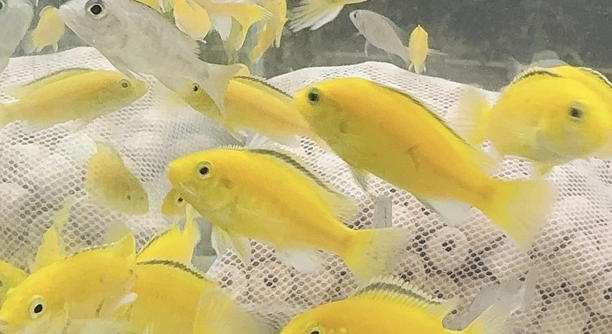
African cichlids are popular aquarium fish known for their bright colors and active behavior. Many fish keepers wonder how these delicate creatures handle sudden disruptions in their tank environment. Understanding their resilience helps in caring for them properly.
African cichlids can survive a tank crash depending on the severity of the incident and the speed of recovery. Sudden changes in water quality, temperature, and stress levels can cause harm, but prompt intervention can improve their chances of survival.
Knowing how to respond after a tank crash can make a big difference for your cichlids’ health. This article will cover essential steps and tips for helping them recover safely.
How a Tank Crash Affects African Cichlids
A tank crash can cause sudden changes in water conditions that affect African cichlids severely. When a tank is disturbed—whether by equipment failure, accidental spills, or sudden temperature shifts—the water chemistry can shift quickly. These fish rely on stable conditions to stay healthy. A crash can cause a drop in oxygen levels, a spike in harmful chemicals like ammonia, or changes in pH. Stress from the event can weaken their immune system, making them vulnerable to diseases. Even small injuries from tank debris can add to their problems. It’s important to act fast to minimize damage and restore balance. Regular monitoring of water parameters and keeping backup equipment ready can help prevent or reduce the impact of such incidents.
Prompt cleanup and water testing after a crash are critical for cichlids’ survival. Quick action often means the difference between recovery and serious health issues.
Knowing the exact water changes and how to stabilize the tank can help your cichlids regain their strength and prevent long-term damage.
Immediate Steps to Take After a Tank Crash
The first step is to test the water quality for ammonia, nitrites, nitrates, and pH levels. If these are off, perform a partial water change immediately to improve conditions. Next, check the temperature and adjust it to the ideal range for your cichlids. Remove any broken decorations or glass to prevent injuries. Aerate the tank to increase oxygen levels and reduce stress on the fish. Avoid feeding the fish until the water quality stabilizes, as uneaten food can worsen water conditions.
After stabilizing the environment, closely observe the fish for signs of stress or illness. Stress can lead to behavior changes like hiding, loss of appetite, or abnormal swimming. In some cases, using a mild antibacterial treatment can help prevent infections, but this should be done cautiously and only if necessary. Keeping the tank clean and maintaining stable water conditions in the days following a crash is vital for recovery. Regular testing and careful attention will give your cichlids the best chance to bounce back.
Common Signs of Stress in African Cichlids
Stress in African cichlids often shows through changes in behavior. They may hide more than usual or swim erratically. Loss of appetite is also a clear sign that something is wrong.
Physical signs include faded colors, clamped fins, and rapid gill movement. Stress weakens their immune system, making them more vulnerable to diseases like ich or fin rot. If you notice these signs, it’s important to act quickly to improve their environment. Regular water testing and maintaining clean tanks reduce stress factors. Providing hiding spots and avoiding sudden changes also helps keep your cichlids comfortable and healthy.
Observation is key. Watching how your fish behave daily can help you catch stress early. Early intervention can prevent serious health problems and support their recovery after any stressful event.
Preventing Future Tank Crashes
Regular maintenance helps avoid tank crashes. Checking equipment like filters, heaters, and air pumps prevents failures. Keeping spare parts ready can save time during emergencies. Monitoring water parameters daily helps catch issues early. Avoid overcrowding your tank to reduce stress on your fish. Stable conditions mean healthier cichlids less likely to be harmed by sudden changes.
Establishing a consistent care routine reduces risks. Clean the tank regularly but avoid drastic changes all at once. Gradually introduce new fish or decorations to prevent sudden disruptions. Keep an eye on your fish’s behavior to detect problems before they escalate. Investing time in prevention can save you from dealing with a tank crash’s consequences later.
Recovery Time for African Cichlids
Recovery time depends on the crash severity and how quickly action is taken. Minor stress may take a few days to a week for full recovery. Severe cases can take several weeks or longer.
Providing a stable environment with clean water and minimal disturbances helps speed healing. Patience is important during this time.
Feeding After a Tank Crash
Wait to feed your cichlids until water quality stabilizes. Feeding too soon can worsen water conditions and stress the fish.
Offer small, nutritious meals once feeding resumes. High-quality flakes or pellets work best. Avoid overfeeding to prevent water pollution and support recovery.
When to Seek Veterinary Help
If your cichlids show persistent symptoms like lethargy, loss of appetite, or visible wounds, professional care is needed. Early diagnosis can prevent disease spread and increase chances of recovery.
Signs of Permanent Damage
Permanent damage includes deformities, chronic infections, or consistent abnormal behavior. These signs suggest long-term health effects from the crash.
Can African cichlids survive a sudden tank crash?
Yes, African cichlids can survive a sudden tank crash if the water conditions are restored quickly and proper care is given. The severity of the crash and the speed of intervention greatly affect their chances. Prompt water changes, removal of hazards, and stable temperature help their recovery.
What are the most common causes of a tank crash?
Tank crashes often happen because of equipment failure like filters or heaters breaking down, sudden temperature drops, or accidental spills. Overfeeding and poor maintenance can also cause water quality to decline, leading to a crash. Regular checks prevent many issues.
How can I tell if my cichlids are stressed after a crash?
Look for hiding, loss of appetite, faded colors, clamped fins, and rapid gill movement. Erratic swimming and lethargy are also signs. Stress weakens their immune system, so watch closely for early symptoms to act quickly.
What immediate actions should I take after a tank crash?
Test the water for ammonia, nitrites, nitrates, and pH. Do a partial water change if levels are off. Remove broken decorations and check the temperature. Aerate the tank to increase oxygen and avoid feeding until water stabilizes.
How long does it take for African cichlids to recover?
Recovery varies. Mild stress may take a few days to a week, while serious crashes could require several weeks. Stable water and minimal disturbances help speed healing. Patience is key.
Should I feed my cichlids right after a tank crash?
It’s best to wait until water quality stabilizes before feeding. Feeding too soon can worsen water conditions and add stress. Start with small, nutritious meals once conditions improve.
Can I use medication to help my cichlids after a crash?
Medication can help prevent infections if fish show signs of illness. However, use it cautiously and only when necessary, as chemicals may add stress. Always follow dosage instructions and consult a vet if unsure.
What equipment can prevent future tank crashes?
Reliable filters, heaters, and air pumps are essential. Using backup equipment like battery-operated air pumps or heaters with automatic shut-offs can reduce risks. Regular maintenance is critical.
How do I prevent stress in my cichlids after a crash?
Keep water stable, avoid sudden changes, and provide hiding spots. Observe behavior to catch issues early. Gradually introduce new fish or decorations to prevent additional stress.
When should I contact a veterinarian?
Contact a vet if symptoms like lethargy, loss of appetite, wounds, or abnormal swimming persist despite proper care. Early treatment improves chances of recovery and prevents disease spread.
Can tank crashes cause permanent damage to African cichlids?
Yes, severe crashes can cause permanent damage such as deformities, chronic infections, or ongoing abnormal behavior. Long-term health problems require careful management and sometimes veterinary help.
Is it normal for cichlids to hide after a tank crash?
Yes, hiding is a common stress response. Giving them quiet areas and avoiding disturbance helps them feel safe and recover more quickly.
How often should I test water parameters to avoid crashes?
Daily testing is ideal, especially after any incident. Keeping track helps catch problems early and keeps conditions stable.
What signs show water quality is improving?
Fish becoming more active, normal eating habits, bright colors returning, and fewer stress behaviors all indicate better water quality.
Can I use plants to help recover water quality?
Live plants absorb some toxins and add oxygen, helping stabilize water. They also provide hiding places, reducing stress for cichlids.
What should I avoid doing after a tank crash?
Avoid sudden water changes, overfeeding, and adding new fish right away. Don’t use strong chemicals without necessity, as these can stress fish further.
How can I make my tank crash-proof?
Regular equipment checks, keeping backups, maintaining water quality, and not overcrowding the tank all help prevent crashes. Consistency is important.
What is the best water temperature for African cichlids during recovery?
Keep water between 75°F and 82°F (24°C to 28°C). Stable temperatures reduce stress and support healing.
How can I reduce stress while cleaning the tank after a crash?
Clean gently and avoid removing too much water at once. Use a soft net and keep noise low. Provide hiding spots during maintenance.
Are some African cichlid species more sensitive to crashes?
Yes, some species are more delicate than others. Research your specific cichlid type to understand its needs and tolerance levels.
How important is oxygenation after a crash?
Very important. Increased aeration helps fish breathe easier and reduces stress. Use air stones or powerheads to improve oxygen levels.
African cichlids are beautiful and lively fish, but they depend on stable tank conditions to stay healthy. A sudden tank crash can be very stressful for them because it disrupts the environment they are used to. Changes in water quality, temperature, and oxygen levels all affect their well-being. However, with quick and careful action, many cichlids can recover from such events. The key is to act as soon as possible to fix the water conditions and reduce their stress. This helps their bodies heal and lowers the chance of disease. Patience is important because recovery may take several days or even weeks.
It is important to watch your cichlids closely after any tank disturbance. Signs like hiding, loss of color, or slow movement show that the fish are under stress. At this time, avoid feeding too much and focus on keeping the water clean and stable. Regular water testing and removing any broken tank items can help the fish feel safe again. Giving them places to hide and limiting sudden changes in the tank environment also supports recovery. While minor injuries can heal on their own, more serious signs may need help from a vet or using safe medication. Preventing tank crashes by checking equipment and maintaining proper care routines is the best way to keep your fish healthy over time.
Although a tank crash is upsetting, it can be managed successfully with the right steps. Understanding what causes stress in African cichlids and how to respond quickly helps protect your fish. Remember that each fish may react differently, so watching their behavior closely is important. Staying calm and taking steady care actions can help your cichlids recover and thrive again. Keeping a balanced and well-maintained aquarium reduces the chance of future problems. By learning about your fish’s needs and keeping their environment steady, you can enjoy a healthy, colorful tank for years to come.

Hello,
If you enjoy the content that we create, please consider saying a "Thank You!" by leaving a tip.
Every little bit helps us continue crafting quality advice that supports the health, happiness, and well-being of pets around the world, for pets of all shapes, sizes, and species.
We really appreciate the kindness and support that you show us!