
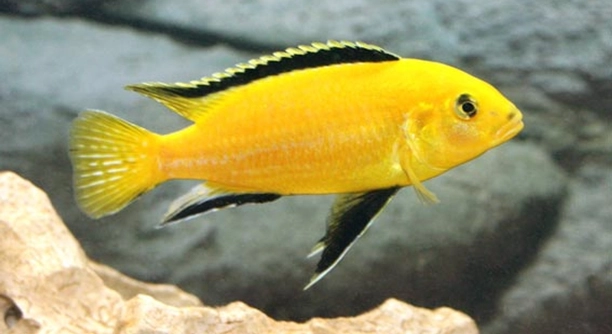
Many aquarium owners notice their African cichlid spending a lot of time hiding. This behavior can be confusing and concerning, especially for those who want to ensure their fish is healthy and comfortable in its environment. Understanding why your cichlid hides helps improve its care.
African cichlids hide primarily due to stress, fear, or environmental factors such as inadequate tank conditions, aggressive tank mates, or lack of proper shelter. These factors trigger natural instincts that cause the fish to seek safety and avoid perceived threats.
Learning about the common causes of hiding behavior will help you create a better habitat for your cichlid and support its wellbeing over time.
Common Reasons African Cichlids Hide
African cichlids often hide because they feel unsafe or stressed. Stress can come from poor water quality, sudden changes in temperature, or inappropriate tank conditions. Aggressive tank mates can also make them retreat to avoid confrontation. These fish are territorial, so overcrowding can increase tension and cause hiding. Lack of adequate hiding spots like caves or plants makes them feel exposed and vulnerable. When hiding, cichlids are trying to protect themselves from perceived threats or discomfort. Understanding these triggers can help you adjust their environment. Providing clean, stable water conditions and appropriate tank mates creates a more peaceful habitat. Adding shelters and decor encourages natural behavior and reduces hiding. Watching your fish’s behavior closely is key to identifying what may be causing stress. Taking timely action improves their comfort and helps them become more active and visible.
Providing enough hiding places reduces stress and improves overall health by giving cichlids safe areas to retreat when needed.
African cichlids are naturally territorial fish, so aggressive behavior is common in crowded tanks. Overcrowding increases stress, leading to more hiding. It’s important to maintain an appropriate number of fish per tank size to reduce competition. Also, choose compatible tank mates to prevent constant aggression. Stable water parameters and regular maintenance reduce stress and promote a healthy environment. By providing sufficient hiding spots and monitoring tank dynamics, you can balance their social needs and reduce fear. This creates a calm atmosphere where cichlids feel secure, encouraging more normal behavior and less hiding.
How to Improve Your Cichlid’s Environment
Improving tank conditions starts with monitoring water quality regularly. African cichlids thrive in clean, stable water with the right pH and temperature. Using a reliable test kit helps keep track of these levels. Frequent water changes prevent harmful buildup of toxins that stress fish. Decorating the tank with rocks, caves, and plants offers natural shelters that cichlids need to feel safe. Proper lighting and a quiet environment also reduce stress. Avoid sudden changes in tank setup or water parameters, as this can cause fear and hiding. When adjusting your tank, do it gradually and carefully to help your fish adapt. These steps create a healthy habitat that supports your cichlid’s natural behavior and wellbeing.
Adjusting the environment with care can reduce hiding and support your cichlid’s natural instincts for safety and comfort.
African cichlids are sensitive to their surroundings. They respond best to consistent, stable tank conditions that mimic their natural habitat. Clean water with a pH between 7.8 and 8.6 and temperatures around 75-82°F is ideal. Regular testing and partial water changes help maintain these conditions. The tank should include plenty of rock formations and hiding spots, allowing fish to establish territories and feel secure. Avoid overcrowding and aggressive fish that can stress your cichlids. Soft, indirect lighting reduces shadows and sudden movements, which can frighten them. Maintaining a peaceful environment helps your cichlids remain healthy and reduces their tendency to hide. With proper care, these fish will display their vibrant colors and active personalities.
Signs Your African Cichlid Is Stressed
Stress in African cichlids often shows through hiding, but there are other signs to watch for. Changes in appetite, dull colors, and sluggish movement are common indicators. Pay attention to unusual behavior early.
Stress can result from poor water quality, aggressive tank mates, or lack of hiding places. When stressed, cichlids may isolate themselves or become more aggressive. They may stop eating or show rapid gill movement. Sometimes, they scrape against surfaces due to irritation. Consistent monitoring of their behavior helps identify stress before it worsens. Adjusting tank conditions and providing a calm environment will reduce stress and improve their overall health.
Stress affects not only behavior but also the immune system. Stressed cichlids are more prone to diseases and infections. Prompt action to improve water conditions and reduce aggression is essential. Providing plenty of shelters and maintaining a routine tank care schedule supports their recovery. These measures help your fish feel secure and encourage normal, healthy activity.
Adjusting Tank Mates to Reduce Hiding
Choosing compatible tank mates is vital for reducing hiding behavior in African cichlids. Aggressive or overly active fish can cause constant stress. Avoid mixing species that don’t coexist well.
Slow-moving or peaceful species often do not provoke cichlids. Adding similar-sized or larger fish can balance aggression. Always research compatibility before adding new fish. Rearranging tank decor can help reduce territorial disputes. Separating aggressive individuals might be necessary in some cases to protect more timid cichlids. Keeping an eye on social dynamics helps maintain peace. Well-chosen tank mates create a stable environment where hiding is less necessary.
Aggressive fish increase tension and stress, leading to hiding. It’s best to keep cichlids in species-specific or well-planned community tanks. Compatibility depends on size, temperament, and territorial needs. Overstocking should be avoided, as crowded tanks worsen aggression. Introducing tank mates gradually allows monitoring of their interactions. When aggression persists, separating fish or providing more hiding spots reduces conflicts. Thoughtful planning and observation are key to a balanced tank where your cichlid feels secure and visible.
Creating Ideal Hiding Spots
African cichlids need hiding spots to feel safe and reduce stress. Natural caves, rocks, and plants are perfect for this purpose. These spaces allow them to retreat when feeling threatened or overwhelmed.
Using smooth, non-toxic materials prevents injury. Arrange hiding places evenly around the tank to avoid territorial conflicts. This setup encourages natural behavior and reduces constant hiding in one spot.
Monitoring Water Parameters
Maintaining proper water quality is essential. African cichlids prefer a stable pH between 7.8 and 8.6, temperatures around 75-82°F, and low nitrate levels. Regular testing helps catch problems early and prevents stress-related hiding.
Feeding Habits and Their Impact on Hiding
Poor feeding routines can increase stress. Uneaten food can foul water, and inconsistent feeding can cause anxiety. Providing a balanced diet and feeding schedule supports health and reduces hiding behavior.
When to Consult a Veterinarian
If hiding persists despite improving conditions, a health issue may be involved. Professional advice ensures proper diagnosis and treatment. Early intervention prevents further complications.
FAQ
Why does my African cichlid hide all the time?
Constant hiding usually means the fish feels stressed or threatened. Common causes include aggressive tank mates, poor water conditions, or lack of enough hiding places. African cichlids naturally seek shelter when they feel unsafe. Improving their environment and ensuring proper tank mates can reduce hiding behavior.
How can I tell if my cichlid is stressed?
Signs of stress include hiding, loss of appetite, faded colors, and sluggish movement. You may also notice rapid gill movement or the fish scraping against tank surfaces. Stress weakens their immune system, so catching these signs early is important for prompt care.
What tank conditions are best for African cichlids?
They thrive in water with a pH between 7.8 and 8.6 and temperatures from 75 to 82°F. Stable water quality is crucial, so regular testing and water changes help maintain these conditions. Clean water reduces stress and encourages natural activity.
How many cichlids should I keep in one tank?
Overcrowding increases aggression and stress. A general rule is one inch of fish per gallon of water, but territorial needs vary by species. Providing ample space and hiding spots helps reduce conflicts. Sometimes, fewer fish means a healthier, calmer tank.
What tank mates work well with African cichlids?
Compatible tank mates are usually other robust cichlids of similar size and temperament. Avoid small, slow, or very peaceful species that may get bullied. Careful selection and observation help maintain balance and reduce hiding due to aggression.
How do I create hiding spots in my tank?
Use natural rocks, caves, and sturdy plants to provide shelter. Make sure materials are safe and won’t harm your fish. Distribute hiding places evenly to reduce territorial disputes. This setup helps cichlids feel secure and lowers stress levels.
Can poor diet cause hiding behavior?
Yes, a poor or inconsistent diet can cause stress and illness, leading to hiding. Feed high-quality, varied food suited for African cichlids on a regular schedule. Avoid overfeeding, which can dirty the tank and harm water quality.
Is hiding always a bad sign?
Not always. African cichlids naturally hide sometimes to rest or feel safe. Occasional hiding is normal. However, excessive or constant hiding often signals stress, illness, or an unsuitable environment. Monitoring overall behavior helps distinguish between normal and problematic hiding.
What should I do if my cichlid hides and won’t eat?
This behavior usually indicates stress or illness. Check water quality, tank mates, and hiding spots first. If conditions are good, the fish might need veterinary attention. A prompt response can prevent worsening health issues.
How often should I test my tank water?
Testing water weekly is a good practice for African cichlids. Regular checks of pH, ammonia, nitrite, and nitrate levels help maintain stable conditions. Frequent monitoring prevents stress and illness caused by poor water quality.
Can sudden changes in the tank cause hiding?
Yes, sudden changes like rearranging decorations, changing water too quickly, or adding new fish can stress cichlids. These fish prefer stable environments. Introduce changes gradually and observe your fish closely to minimize hiding caused by disturbance.
How long does it take for a cichlid to stop hiding after improvements?
The time varies depending on the cause and severity of stress. Some cichlids adjust in a few days, while others take weeks. Consistent care, stable water, and peaceful tank mates speed up recovery and encourage normal behavior.
Are there health problems that cause hiding?
Yes, infections, parasites, and other illnesses can make cichlids hide. Signs often include changes in appearance, such as spots or swelling, alongside hiding. If you suspect illness, seek veterinary advice promptly for diagnosis and treatment.
Can lighting affect hiding behavior?
Strong or sudden lighting can stress cichlids, causing them to hide. Use moderate, indirect lighting and avoid abrupt changes. Proper lighting mimics their natural habitat and supports healthy behavior.
Should I rearrange the tank if my cichlid hides too much?
Rearranging can help if it adds new hiding spots or reduces territorial conflicts. However, sudden changes can also increase stress. Make changes gradually and monitor how your fish respond before making more adjustments.
Is it normal for African cichlids to be shy?
Some species or individual fish are naturally more cautious. This shyness can appear as frequent hiding but doesn’t always indicate a problem. Over time, as they grow comfortable, shy cichlids often become more active and visible.
How do I reduce aggression in the tank?
Provide plenty of space and hiding places, choose compatible tank mates, and avoid overcrowding. Maintain good water quality and keep feeding consistent. These steps reduce aggression, stress, and hiding behavior.
Can temperature fluctuations cause hiding?
Yes, temperature changes can stress cichlids. They prefer a stable temperature range between 75 and 82°F. Use a reliable heater and thermometer to maintain consistent warmth and reduce stress-related hiding.
Is it okay if my cichlid hides during the day but is active at night?
African cichlids are generally diurnal and should be active during the day. Hiding during daylight and activity at night could indicate stress or illness. Evaluating tank conditions and behavior helps identify any underlying problems.
What should I do if my cichlid hides after adding new fish?
New fish can cause stress and territorial disputes. Monitor interactions closely, provide extra hiding spots, and consider separating aggressive fish if needed. Giving your cichlid time to adjust reduces hiding and promotes harmony.
Can water hardness affect hiding behavior?
Water hardness impacts cichlid health and comfort. African cichlids prefer moderately hard to hard water. Incorrect hardness can stress them, leading to hiding. Regular testing and adjustments maintain optimal water conditions for your fish.
African cichlids are known for their vibrant colors and lively personalities, but constant hiding can make it difficult to enjoy these traits. Understanding why your cichlid hides is the first step toward improving its wellbeing. Hiding is usually a sign of stress or discomfort, often caused by environmental factors like water quality, tank mates, or lack of proper shelter. By paying attention to these conditions, you can create a habitat that helps your fish feel safer and more confident.
Maintaining stable water parameters is essential for your cichlid’s health. Regular testing and water changes keep the environment clean and reduce stress. The tank should also be properly decorated with plenty of hiding spots, such as caves and rocks, to mimic the fish’s natural habitat. This allows your cichlid to retreat when it feels threatened, helping to balance its natural instincts with comfort. Choosing compatible tank mates and avoiding overcrowding further reduces stress and aggression, encouraging your fish to spend more time swimming openly.
Patience and observation are key when working to reduce hiding behavior. Changes in the tank may not show immediate results, but consistency in care will make a difference over time. Monitoring your fish for signs of stress or illness ensures early intervention when needed. With proper care, your African cichlid can thrive, showing off its full colors and natural behavior. Creating a calm and stable environment benefits not only your fish but also enhances your enjoyment as an aquarium owner.

Hello,
If you enjoy the content that we create, please consider saying a "Thank You!" by leaving a tip.
Every little bit helps us continue crafting quality advice that supports the health, happiness, and well-being of pets around the world, for pets of all shapes, sizes, and species.
We really appreciate the kindness and support that you show us!