
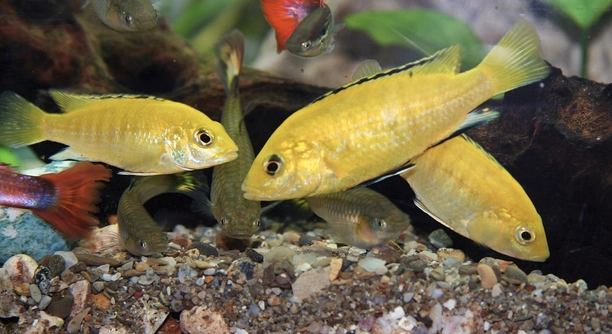
Many fishkeepers notice their African cichlids seem to breed all the time. This can be surprising or even overwhelming for some aquarium owners. Understanding why these fish reproduce frequently can help maintain a healthy tank environment.
African cichlids breed constantly due to their natural behavior, favorable tank conditions, and readiness to reproduce. Factors like water quality, diet, and tank setup encourage frequent spawning, which is typical for this species in captivity.
Recognizing the reasons behind constant breeding will help you manage your aquarium better and keep your fish healthy and comfortable.
Natural Breeding Behavior of African Cichlids
African cichlids are known for their high reproductive rate. In the wild, these fish breed often to keep their populations stable amid predators and competition. This instinct remains strong even in an aquarium setting. They are mouthbrooders, meaning the female carries eggs and fry in her mouth for protection, which encourages frequent breeding. When tank conditions are ideal, these fish feel safe and ready to reproduce repeatedly. The fish may also establish territories in the tank, leading to more breeding attempts. If the environment mimics their natural habitat, including water temperature and pH, cichlids will often breed nonstop. Their natural tendency to spawn frequently can sometimes cause overcrowding if not managed properly.
Breeding helps maintain the species, so it is natural for African cichlids to reproduce regularly in captivity.
Knowing this behavior helps you plan for managing population growth and keeping the tank balanced.
Tank Conditions and Their Impact on Breeding
Tank conditions play a major role in how often African cichlids breed. Clean water with stable parameters creates a stress-free environment, which encourages spawning. A tank with the right temperature (around 75-82°F) and slightly alkaline pH (7.5-8.5) supports their reproductive cycle. Proper filtration and regular water changes prevent harmful buildup, keeping fish healthy and ready to breed. Hiding spots like rocks and caves mimic their natural habitat and give them places to lay eggs or protect fry. Overcrowding or aggressive tankmates can reduce breeding frequency due to stress. On the other hand, a well-maintained tank can cause frequent spawning, sometimes more than expected.
Adjusting tank conditions can either slow down or increase breeding, depending on what the fish need.
Ensuring your tank matches the needs of African cichlids helps control their breeding pace effectively.
Frequent Spawning Triggers
African cichlids often spawn when their environment signals safety and abundance. This includes consistent feeding, stable water conditions, and enough space to establish territories. These triggers make them feel comfortable enough to reproduce regularly.
Feeding a high-quality, protein-rich diet encourages breeding. When the fish receive ample nutrition, they build energy reserves needed for reproduction. Changes in lighting, like longer daylight hours, can also stimulate spawning behavior. Additionally, seasonal changes simulated in the tank sometimes prompt more frequent breeding. These factors combined create a perfect breeding environment that your cichlids respond to naturally.
Maintaining these conditions intentionally or unintentionally can cause your cichlids to breed more than you expect. Watching these triggers helps you understand their behavior and adjust care routines accordingly.
Managing Population Growth
Population control is important in cichlid tanks to avoid overcrowding and stress. Removing some fry or relocating them can prevent problems caused by too many fish in one space.
Regular monitoring of your tank’s population helps maintain a healthy balance. Overcrowded tanks lead to poor water quality and increased aggression among fish, which can harm their health. Separating males and females or keeping fewer fish reduces the chances of constant breeding. Some keepers also use breeding traps or separate breeding tanks to manage fry more effectively. These methods give you control over the population size and help maintain peaceful tank dynamics.
Planning ahead for population growth ensures your African cichlids stay healthy and your tank remains enjoyable to maintain.
Controlling Breeding Through Environment
Changing the environment can help reduce how often African cichlids breed. Lowering the temperature slightly or adjusting the light cycle can slow down spawning.
Reducing feeding frequency or quantity also decreases energy available for reproduction. These simple changes create less ideal conditions for breeding without harming the fish.
Breeding Behavior and Stress
Stress affects breeding frequency. When cichlids feel threatened or crowded, they may stop spawning. Ensuring peaceful tank mates and enough space reduces stress.
A calm environment promotes healthier fish and more predictable breeding patterns, making it easier to manage your aquarium.
Using Separate Breeding Tanks
Keeping breeding pairs in separate tanks allows better control of fry and population. It prevents overcrowding in the main tank and helps monitor young fish.
This method is useful for those wanting to raise fry safely and control breeding without affecting the main community.
Feeding Tips to Influence Breeding
Feeding high-quality food rich in proteins supports healthy breeding. Offering occasional live or frozen foods helps improve fish condition and spawning success.
FAQ
Why do African cichlids breed so often in my tank?
African cichlids breed frequently because they are naturally prolific spawners. When tank conditions are stable and ideal—like good water quality, appropriate temperature, and sufficient food—they feel safe to reproduce regularly. Their natural instinct to maintain their population drives this behavior, even in captivity.
Can constant breeding harm my African cichlids?
Yes, constant breeding can stress the fish, especially females who carry eggs or fry in their mouths. Overbreeding can weaken their health and lead to aggression among tankmates. It’s important to monitor your fish and manage breeding to keep them healthy and stress-free.
How can I reduce the number of fry in my tank?
To control fry numbers, you can remove some eggs or fry early on or separate breeding pairs into different tanks. Adjusting tank conditions, like lowering temperature or reducing feeding, may also help slow down breeding. Regular tank maintenance keeps the environment balanced, discouraging excessive spawning.
Do I need special equipment to manage breeding?
Special equipment isn’t always necessary but can be helpful. Breeding traps or separate breeding tanks allow safe fry rearing and population control. These tools give more control over breeding without disturbing the main tank environment.
How long do African cichlids carry their eggs?
Female African cichlids typically mouthbrood eggs and fry for about 2 to 3 weeks. During this time, the female may eat less and stay hidden to protect her young. This behavior requires patience and careful observation.
Can diet affect breeding frequency?
Absolutely. A diet rich in protein and nutrients supports reproductive health. Feeding live or frozen foods like brine shrimp or bloodworms encourages breeding, while poor nutrition can reduce spawning frequency. Balanced feeding is key to managing reproduction.
Will changing the tank temperature stop breeding?
Lowering the tank temperature slightly can slow down breeding but won’t completely stop it. African cichlids thrive in temperatures between 75-82°F, so reducing it near the lower end of this range may reduce spawning but keep the fish healthy.
Is it better to keep males and females separate to prevent breeding?
Separating males and females is an effective way to control breeding. It prevents constant spawning and helps manage population growth. However, this requires extra tanks and careful planning to ensure both sexes receive proper care.
Can stress cause African cichlids to stop breeding?
Yes, stress from overcrowding, poor water quality, or aggressive tankmates can halt breeding. Creating a peaceful, stable environment reduces stress and encourages healthy reproductive behavior. Stress management is important for consistent breeding.
How can I tell if my African cichlids are breeding?
Signs of breeding include increased territorial behavior, pairing off, digging in the substrate, and females holding eggs in their mouths. Observing these behaviors helps you prepare for fry and manage your tank accordingly.
What should I do with the fry once they hatch?
Fry can be left in the main tank if space allows, but overcrowding can cause problems. Moving them to a separate tank increases survival chances. Feeding fry with finely crushed flakes or specialized fry food supports their growth.
Is it normal for African cichlids to breed year-round?
Yes, in captivity, African cichlids can breed year-round if conditions are right. Unlike wild populations, they don’t follow strict seasonal cycles, so regular breeding is common when the environment supports it.
How often should I clean my tank to manage breeding?
Regular cleaning, including partial water changes every one to two weeks, keeps water quality high. Clean water supports fish health and controls breeding by preventing stress and illness that disrupt reproductive cycles.
Can introducing other fish stop African cichlids from breeding?
Adding other species can reduce breeding if those fish outcompete or stress cichlids. However, this can increase aggression or stress, so it’s not always a reliable or recommended method. Tank balance is better maintained by managing conditions and population directly.
What role does lighting play in breeding frequency?
Lighting influences breeding since African cichlids respond to changes in daylight. Longer light periods can stimulate spawning, while shorter ones may reduce it. Controlling light duration helps manage breeding cycles without harming the fish.
African cichlids are naturally active breeders, and it is common for them to reproduce often when kept in a good environment. Their frequent breeding is part of their survival instinct, and it can be a sign that your tank conditions are suitable for their health and well-being. However, constant breeding may become overwhelming for aquarium owners, especially if the population grows too quickly. Managing their environment carefully helps balance their natural behavior with your ability to care for them. Understanding why they breed so often makes it easier to maintain a healthy and stable aquarium.
To keep African cichlids healthy, it is important to monitor water quality, temperature, and tank setup. Proper feeding and providing hiding spots support their comfort and reduce stress. When breeding happens too frequently, small changes like adjusting lighting, temperature, or feeding can slow down the process without harming the fish. Separating breeding pairs or using separate tanks for fry can help control population growth and protect the young fish. Taking these steps creates a peaceful environment where cichlids can thrive without causing problems in the aquarium.
Ultimately, keeping African cichlids means finding the right balance between their natural breeding instincts and your tank management. By paying attention to their behavior and tank conditions, you can enjoy watching these colorful fish while preventing overcrowding or stress. With proper care, African cichlids will continue to be lively and healthy additions to your aquarium. Managing their breeding habits does not have to be difficult once you understand their needs and how to meet them.

Hello,
If you enjoy the content that we create, please consider saying a "Thank You!" by leaving a tip.
Every little bit helps us continue crafting quality advice that supports the health, happiness, and well-being of pets around the world, for pets of all shapes, sizes, and species.
We really appreciate the kindness and support that you show us!