
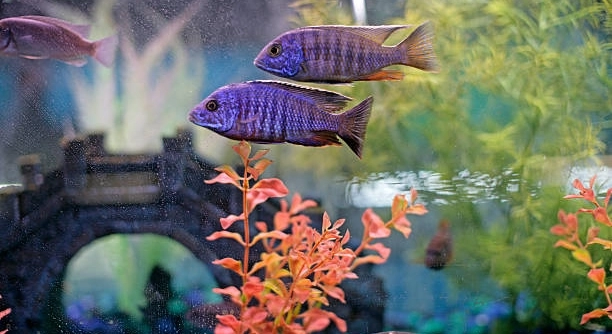
Is your African cichlid frequently chasing its reflection in the aquarium glass? This behavior can be puzzling and sometimes worrying for fish owners. Understanding why your fish acts this way can help you create a better environment for it.
African cichlids chase their reflections because they perceive them as rivals or intruders. This territorial behavior is natural, triggered by the fish seeing its own image and responding aggressively to protect its space. It is a common response in many cichlid species.
Recognizing this behavior is important for managing stress and maintaining harmony in your aquarium. This article will explain the reasons behind the chasing and suggest ways to reduce it for your fish’s well-being.
Why African Cichlids Chase Reflections
African cichlids are naturally territorial fish. When they see their reflection, they often mistake it for another fish invading their space. This causes them to chase or attack the glass. The behavior is a form of defense to protect their territory. It happens more in tanks with bright lighting or clear glass, which makes the reflection easier to see. Fish that are alone tend to display this behavior more often since there is no other fish to interact with. The chasing can be tiring for the fish and may increase stress over time. Stress in fish can lead to weakened immune systems and lower resistance to disease. Tank size also plays a role—smaller tanks create more reflections, making it harder for the fish to ignore the mirrored image. This behavior is common, but there are ways to reduce it.
Reflection chasing may indicate your tank setup could be improved.
Adjusting lighting and tank decorations can help reduce reflections.
How to Reduce Reflection Chasing
Reducing the visibility of reflections is key to calming your cichlid. One way is to place a background on the outside of the tank glass to minimize glare. Adding plants or decorations inside the tank can also break up reflections and create hiding spots. Using softer lighting or positioning lights away from the tank can reduce glare on the glass. Avoid placing the aquarium where direct sunlight hits, as this increases reflection intensity. Sometimes adding tank mates can distract the fish from focusing on its reflection, but be cautious with species compatibility. Regularly cleaning the tank glass helps prevent smudges and glare, which can worsen the reflections. These adjustments help create a less stressful environment and reduce aggressive chasing behavior.
Creating a comfortable, distraction-rich environment helps your fish feel secure. Proper tank management improves your cichlid’s overall health and behavior.
Effects of Reflection Chasing on Your Cichlid
Reflection chasing can lead to increased stress levels in your cichlid. Stress impacts their overall health and can cause behavior changes.
Persistent chasing tires the fish and may lead to injuries, especially if they repeatedly strike the glass. Over time, stress weakens their immune system, making them more vulnerable to infections. It is important to observe your fish for signs of fatigue or damage, such as torn fins or faded colors.
Stress from this behavior may also reduce appetite and activity. If left unmanaged, it can affect growth and lifespan. Providing an environment that minimizes reflections helps improve your fish’s well-being and encourages natural, less aggressive behaviors.
Tank Setup Tips to Prevent Reflection Chasing
Positioning the tank away from direct light sources reduces reflections. Use a background on one or more sides of the aquarium.
Adding plants and decorations creates hiding spots and breaks up reflections, which distracts your fish from the glass. Make sure decorations don’t overcrowd the tank but provide enough visual barriers. Also, maintain consistent lighting levels with adjustable or indirect lights. Regular cleaning keeps the glass clear but avoid excessive shine that increases reflections. These steps reduce the chances of your cichlid reacting to its reflection and help keep stress levels down.
When to Consider Adding Tank Mates
Adding tank mates can reduce your cichlid’s focus on its reflection. Compatible fish provide social interaction and distraction.
Choose species that can coexist peacefully with your African cichlid. Avoid overcrowding, which can increase stress and aggression.
Best Tank Mates for African Cichlids
Peaceful but robust fish like certain catfish or larger tetras can work well. These fish add activity without competing aggressively for territory. Avoid small, slow-moving species that may become targets. Always research compatibility based on your cichlid’s specific species to ensure harmony. Introducing new fish gradually helps reduce stress and allows your cichlid to adjust to changes calmly.
Monitoring Behavior Changes
Keep an eye on your cichlid’s activity and appetite. Early signs of stress need quick attention.
FAQ
Why is my African cichlid chasing its reflection only at certain times?
Your cichlid may react more to its reflection when the lighting in the room changes. Bright lights or sunlight hitting the tank glass can make reflections clearer. Also, during breeding periods or times of increased territorial behavior, your fish may be more aggressive and reactive.
Can reflection chasing harm my cichlid?
Yes, continuous chasing can cause physical injuries like fin damage or scratches from hitting the glass. It also causes stress, which weakens the immune system and can lead to illness. Reducing reflections helps protect your fish from these risks.
Is reflection chasing more common in certain African cichlid species?
Some species are naturally more territorial and aggressive, such as Mbuna cichlids. These types tend to chase reflections more often. Less aggressive species may show this behavior less frequently but can still be affected depending on tank conditions.
Will adding more fish stop my cichlid from chasing its reflection?
Adding compatible tank mates can distract your cichlid and reduce chasing, but it is not guaranteed. Overcrowding or incompatible fish can increase stress and aggression. It’s important to choose species carefully and introduce them gradually.
How can I tell if my cichlid is stressed from chasing reflections?
Signs include faded coloration, hiding more than usual, loss of appetite, and torn or ragged fins. You may also notice erratic swimming or frequent attacks on the glass. If these appear, adjust the tank setup to reduce reflections and improve comfort.
Can using a background on the tank help with reflection chasing?
Yes, placing a dark or natural background on one or more sides of the aquarium reduces reflections. It limits what your cichlid can see and lowers aggressive responses. Backgrounds also improve the overall appearance of the tank.
Are there other ways to reduce reflections besides backgrounds?
Adding live or artificial plants and decorations inside the tank helps break up reflections. Softer lighting or indirect light sources also reduce glare on the glass. Regular cleaning prevents buildup that can worsen reflections.
Should I change the tank’s lighting to stop reflection chasing?
Adjusting lighting to be softer and less direct can help. Avoid placing the tank near windows where sunlight hits directly. Using adjustable LED lights allows you to control brightness and reduce harsh reflections.
Is it normal for African cichlids to be aggressive towards their reflection?
Yes, this is typical territorial behavior. The fish sees its reflection as a rival and reacts accordingly. While it is normal, frequent chasing can cause stress and should be managed for the fish’s health.
Can reflection chasing be a sign of boredom?
Possibly. Fish may chase reflections if they lack stimulation. Adding decorations, plants, or tank mates can provide enrichment and reduce this repetitive behavior.
How often should I clean the tank glass to manage reflections?
Regular cleaning is recommended to keep glass clear without creating excessive shine. Cleaning once a week or as needed is usually sufficient. Use non-toxic tools to avoid harming the fish or tank environment.
Is it better to have a bigger tank to reduce reflection chasing?
Larger tanks reduce reflections because there is more space and less chance for your fish to constantly see its own image. Bigger tanks also allow for better territory division, which can lower aggression.
Can mirrors be used intentionally to reduce aggression in cichlids?
Mirrors are sometimes used briefly to encourage exercise or stimulate territorial behavior in controlled ways. However, prolonged exposure can increase stress. Use mirrors cautiously and only for short periods if at all.
What should I do if my cichlid is injured from chasing reflections?
Isolate the injured fish if possible to allow healing. Maintain clean water and monitor closely for infection. Consider adding aquarium salt or treatments recommended for fin damage. Reduce reflections to prevent further injury.
Can stress from chasing reflections affect breeding behavior?
Yes, stressed fish are less likely to breed successfully. Reducing stress by managing reflections and providing a stable environment supports healthier breeding conditions.
Are there products specifically designed to reduce aquarium reflections?
There are anti-reflective films and specialized backgrounds available. These products can be effective in reducing glare but should be used carefully to ensure they do not harm fish or alter water conditions.
How long does it take for a cichlid to stop chasing its reflection after changes?
It varies, but many fish show reduced chasing within days to weeks after tank adjustments. Consistency and patience are key to helping your fish adjust to new conditions.
Can water quality affect reflection chasing behavior?
Poor water quality increases stress and may make your fish more reactive to reflections. Keeping water parameters stable supports calm behavior and overall health.
Does feeding schedule influence chasing reflections?
A well-fed cichlid is less likely to be overly aggressive. Feeding balanced meals regularly helps keep the fish satisfied and less focused on territorial defense.
Is chasing reflections related to age or size of the cichlid?
Younger, smaller cichlids might chase reflections less as they are less territorial. Larger, mature fish tend to be more aggressive and may chase reflections more frequently.
Can hiding places reduce chasing reflections effectively?
Yes, providing caves, rocks, or plants creates secure spaces where your cichlid feels safe. These areas divert attention away from reflections and reduce stress.
What behavior should I watch for to know if my cichlid is adjusting well?
Look for calmer swimming, regular eating habits, and less frequent attacks on the glass. Brighter colors and natural social behavior with tank mates also indicate good adjustment.
Are there natural ways to calm an aggressive cichlid besides changing the tank?
Environmental enrichment and reducing external stressors help. Avoid sudden loud noises or vibrations near the tank. Maintain a consistent routine to support your fish’s comfort.
African cichlids chasing their reflection is a common behavior that many fish owners notice. It happens because these fish are naturally territorial and see their mirrored image as a rival. This response can cause stress and sometimes physical harm if the fish repeatedly attacks the glass. Understanding why this behavior happens is important to help your cichlid live a healthier and calmer life. By paying attention to your fish’s environment and making simple adjustments, you can reduce these stressful moments and improve their overall well-being.
There are several ways to lessen reflection chasing. Changing the lighting to softer or indirect sources helps reduce glare and makes reflections less noticeable. Adding decorations, plants, or backgrounds inside and outside the tank breaks up reflections and provides your cichlid with hiding spots. These changes create a more comfortable space where the fish feels secure and less threatened. In some cases, adding compatible tank mates can distract your cichlid and reduce aggressive behavior. However, this must be done carefully to avoid overcrowding or increased stress. Regular maintenance, including cleaning the glass and monitoring water quality, also supports your fish’s health and behavior.
Keeping an eye on your cichlid’s behavior is key. Signs of stress like fading colors, torn fins, or loss of appetite mean it is time to make further adjustments. Every fish is different, so what works for one may not work exactly the same for another. With patience and observation, you can find the best ways to help your cichlid feel comfortable in its environment. Managing reflections and creating a calm habitat improves your fish’s quality of life and allows you to enjoy watching it thrive.

Hello,
If you enjoy the content that we create, please consider saying a "Thank You!" by leaving a tip.
Every little bit helps us continue crafting quality advice that supports the health, happiness, and well-being of pets around the world, for pets of all shapes, sizes, and species.
We really appreciate the kindness and support that you show us!