
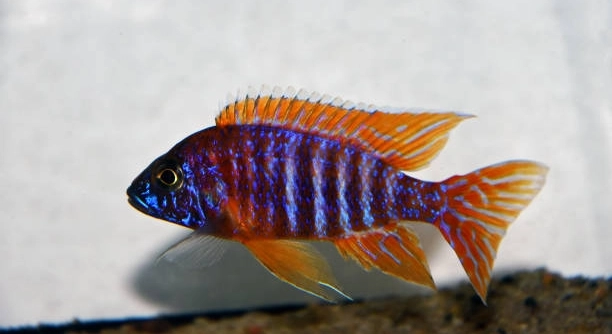
African cichlids are colorful and active fish that often catch the attention of aquarium enthusiasts. Their unique behaviors, like flaring their gills, can be both interesting and puzzling to observe. Understanding these actions can improve how we care for them.
African cichlids flare their gills primarily as a form of communication and defense. This behavior signals aggression or territoriality to other fish and can also help them appear larger to potential threats. It is an important part of their social interactions in both wild and captive environments.
Learning about why these fish flare their gills helps create a better aquarium environment. Knowing their behavior supports healthier fish and a more peaceful tank community.
Why African Cichlids Flare Their Gills
African cichlids flare their gills mainly to show dominance or defend their territory. This behavior helps them communicate with other fish around them. When a cichlid flares its gills, it makes itself look bigger and more intimidating. This can scare away rivals or predators. In crowded tanks, flaring often happens more because space is limited. It is also a way for males to attract females during breeding by showing off their strength. Sometimes, flaring can mean the fish feels stressed or threatened. Watching when and how often your cichlids flare their gills can tell you a lot about their mood and health. Adjusting tank conditions or separating aggressive fish can help reduce unnecessary flaring.
Gill flaring serves as both a warning and a display in cichlid social behavior. It helps avoid fights by setting clear boundaries.
Understanding this behavior is essential for maintaining harmony in your aquarium. It’s a natural, instinctive way for cichlids to manage their space and relationships. When you notice frequent gill flaring, it’s often a sign to check the tank’s layout or fish population. Providing enough hiding places and keeping the environment stable can reduce stress. Also, knowing which species are more aggressive helps in choosing tank mates. Each cichlid may flare differently, reflecting its personality and situation. This knowledge can lead to a better experience caring for these lively fish.
How Tank Conditions Affect Gill Flaring
Poor tank conditions often cause more frequent gill flaring.
If a tank is overcrowded or lacks proper hiding spots, cichlids become more aggressive. Limited space forces them into closer contact, increasing competition and stress. Water quality also plays a role. Dirty water or wrong temperatures can upset the fish, leading to more defensive behavior like gill flaring. A well-maintained tank with enough room and clean water reduces aggression. Proper diet and stable lighting help keep fish calm. Sometimes, introducing new fish can trigger flaring as they establish dominance. Watching your tank’s environment closely and making adjustments can lower stress and unnecessary displays. This creates a more peaceful setting for all fish.
When Gill Flaring Becomes a Problem
Frequent gill flaring can signal stress or aggression that affects your cichlids’ well-being. It’s important to recognize when this behavior goes beyond normal communication.
Excessive gill flaring often results from overcrowding, lack of hiding spots, or incompatible tank mates. When fish constantly feel threatened, their stress levels rise, which can weaken their immune systems. Stress also leads to reduced appetite and slower growth. Keeping an eye on how often your cichlids flare their gills helps you catch early signs of trouble. Adjusting tank conditions or separating aggressive individuals can prevent injuries and improve overall health.
Ignoring persistent gill flaring may lead to physical harm from fights and long-term health issues. Establishing a proper environment with enough space and clear territories helps reduce this problem. Regular water changes and monitoring water parameters are also key. Addressing aggression early keeps your aquarium peaceful and your fish healthy.
Managing Aggression in African Cichlids
Managing aggression is crucial for a balanced aquarium.
Providing ample space and plenty of hiding spots reduces territorial disputes. Using rocks, plants, and decorations creates barriers that help fish feel secure. Introducing fish gradually allows them to establish a hierarchy naturally. Avoid overcrowding and choose species with compatible temperaments to minimize conflicts. Monitoring behavior regularly helps catch problems early before they escalate. When aggression becomes too much, separating the most aggressive fish is necessary to protect others. By managing aggression carefully, you create a healthier and calmer environment that benefits all your cichlids.
Understanding Breeding Behavior
Gill flaring is often part of breeding displays. Males flare their gills to show strength and attract females. This behavior signals readiness to mate and defend eggs or fry from threats.
During breeding, both males and females may flare gills to protect their territory. This helps keep other fish away from their young.
Recognizing Stress Signals
Stress can cause increased gill flaring. Changes in water quality, temperature, or tank setup often trigger this behavior. Watch for other signs like hiding or loss of appetite.
Stress weakens fish and can lead to illness. Keeping the tank stable and clean helps reduce these signals.
When to Separate Fish
If flaring leads to fighting, separating aggressive fish is necessary. This prevents injuries and lowers stress for all tank inhabitants.
FAQ
Why do African cichlids flare their gills so often?
African cichlids flare their gills mainly to communicate dominance, defend territory, or show aggression. This behavior is natural, especially when space is limited or during breeding. Frequent flaring may also indicate stress from poor tank conditions or incompatible tank mates. Watching your fish’s environment and interactions helps understand why they flare.
Is gill flaring a sign of aggression or something else?
Gill flaring is mostly a way to show aggression or establish dominance. However, it can also signal stress or a warning to keep others away from their territory. Sometimes, cichlids flare as part of courtship. Context and other behaviors help determine the cause.
Can gill flaring harm my fish?
By itself, gill flaring isn’t harmful. But if it leads to constant fighting, it can cause injuries or stress. Stress weakens the immune system, making fish more prone to disease. Managing tank conditions and aggression reduces these risks.
How can I reduce excessive gill flaring in my aquarium?
Providing enough space, hiding places, and suitable tank mates helps reduce flaring. Avoid overcrowding and keep water quality high. Introducing new fish slowly allows them to settle. Separating very aggressive fish may be necessary to keep peace.
Does gill flaring mean my fish is sick?
Not always. Gill flaring alone isn’t a sign of illness, but if combined with other symptoms like gasping, lethargy, or loss of appetite, it may indicate health problems. Check water quality and consult a vet if you notice other signs.
Do all African cichlid species flare their gills?
Most African cichlid species display gill flaring to some degree. The frequency and intensity vary depending on the species’ temperament and environment. Some are more aggressive, leading to more frequent flaring, while others are calmer.
Is gill flaring linked to breeding behavior?
Yes, males often flare their gills to attract females and protect their spawning area. It serves as a show of strength and readiness to defend eggs or fry from intruders. Females may also flare to guard their territory.
Can poor water conditions increase gill flaring?
Poor water conditions cause stress, which can increase gill flaring. Dirty water, incorrect temperature, or wrong pH levels upset fish and make them more defensive. Maintaining clean, stable water conditions helps reduce unnecessary flaring.
Should I separate fish that flare their gills a lot?
If gill flaring leads to fights or injuries, separating the aggressive fish is necessary. Otherwise, flaring is normal and not harmful. Monitoring fish behavior regularly helps decide when separation is needed.
How do hiding spots affect gill flaring?
Hiding spots give fish safe places to retreat and reduce stress. When fish feel secure, they flare less because they don’t need to defend territory constantly. Adding rocks, plants, and decorations breaks up the tank space and lowers aggression.
Can diet affect gill flaring behavior?
A healthy diet helps reduce stress and aggression. Poor nutrition weakens fish and may cause more defensive behaviors, including gill flaring. Feeding high-quality food appropriate for cichlids supports their overall health and calmness.
Does tank size matter for controlling gill flaring?
Yes, tank size plays a big role. Small tanks force fish into closer contact, increasing competition and flaring. Larger tanks with proper layout allow each fish to establish territory comfortably, reducing aggressive displays like gill flaring.
African cichlids are known for their bright colors and interesting behaviors, and gill flaring is one of the most noticeable actions they perform. This behavior plays an important role in how these fish communicate with each other. It helps them show dominance, defend their space, and sometimes attract mates. Understanding why cichlids flare their gills gives us insight into their natural instincts and helps us provide better care. When you notice your fish flaring, it’s usually a sign of normal social behavior, but it can also point to stress or discomfort if it happens too often.
Creating a good environment for African cichlids is key to managing how often they flare their gills. Providing enough space in the tank reduces competition and makes the fish feel less threatened. Adding hiding spots and decorations can also help by breaking up the territory, so each fish feels secure in its own area. Good water quality and stable conditions are important too, because poor water can stress the fish and cause more aggressive behaviors. Watching your fish closely and adjusting their environment when needed can keep your tank peaceful and healthy.
Remember that some level of gill flaring is normal and even necessary for cichlids to interact naturally. It is part of how they communicate and keep order within their group. However, if the behavior becomes excessive or leads to fighting, it is important to make changes. This could mean adding more space, improving tank conditions, or separating the most aggressive fish. By paying attention to their behavior and environment, you can enjoy the beauty and activity of African cichlids while making sure they stay healthy and comfortable.

Hello,
If you enjoy the content that we create, please consider saying a "Thank You!" by leaving a tip.
Every little bit helps us continue crafting quality advice that supports the health, happiness, and well-being of pets around the world, for pets of all shapes, sizes, and species.
We really appreciate the kindness and support that you show us!