
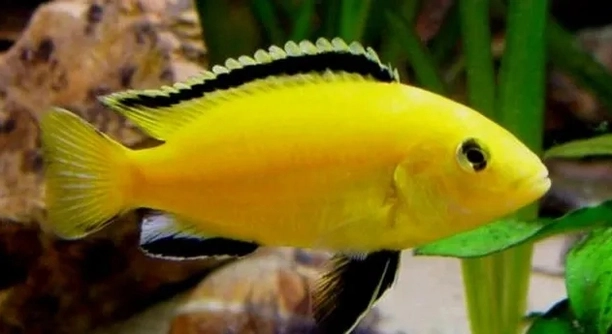
Cichlid fry require special care during their early stages of life to grow healthy and strong. Many factors can negatively affect their survival and development in an aquarium setting. Knowing what can harm these delicate young fish is essential for every cichlid keeper.
Several factors can harm cichlid fry, including poor water quality, improper feeding, aggressive tank mates, sudden temperature changes, inadequate hiding spaces, disease, and overcrowding. Each of these can reduce fry survival rates and stunt their growth if not managed properly.
Understanding these common risks helps ensure your cichlid fry have a better chance to thrive and reach adulthood in a healthy environment.
Poor Water Quality
Poor water quality is one of the most common reasons cichlid fry do not survive. Young fry are especially sensitive to toxins like ammonia and nitrites, which can build up quickly in a tank. Even small changes in pH or hardness can stress them out, making them more prone to illness. Regular water testing and frequent partial water changes are essential to keep the water clean and safe. Using a reliable filtration system designed for fry tanks helps remove harmful substances without creating strong currents. It’s also important to avoid overcrowding, as too many fish can degrade water quality faster. When water conditions are stable and clean, fry have a much better chance to grow strong.
Keeping the water clean requires consistent monitoring and maintenance. Simple steps like checking parameters weekly and performing water changes prevent harmful buildup.
Maintaining stable water quality supports healthy growth, reduces stress, and lowers the risk of diseases. A clean tank environment is the foundation for raising thriving cichlid fry.
Improper Feeding
Underfeeding or overfeeding cichlid fry can cause serious problems. Fry need small, frequent meals that are easy to digest. Feeding them food that is too large or not nutritionally balanced can stunt their growth or cause digestive issues. Overfeeding pollutes the water with leftover food, which harms water quality and can lead to disease. It is important to provide specialized fry food or finely crushed flakes to meet their dietary needs. Observing their feeding habits helps determine the right quantity and frequency. Removing uneaten food after feeding also prevents water contamination. Proper feeding supports energy levels, immune function, and development.
Feeding fry correctly requires patience and attention. It involves offering the right type and amount of food several times a day.
Monitoring feeding closely and adjusting as they grow will help your cichlid fry develop properly without water quality problems caused by excess food.
Aggressive Tank Mates
Aggressive fish can harm or even kill cichlid fry. Even species that seem peaceful may become territorial or aggressive when fry are present. Fry are small and fragile, making them easy targets for attacks or bullying.
Keeping fry with aggressive tank mates increases stress and injury risk. Aggressive fish may nip at fins or chase fry, causing exhaustion or death. To protect fry, it is best to house them separately or use tanks with peaceful species that won’t threaten their safety. Providing plenty of hiding spots also helps reduce conflicts. If aggressive fish are already in the tank, monitoring closely and separating fry quickly is important to avoid losses.
Aggressive behavior disrupts fry growth and survival. Minimizing these risks promotes a safer environment and healthier development.
Sudden Temperature Changes
Temperature shifts can shock cichlid fry and weaken their immune systems. Sudden drops or spikes disrupt metabolism and increase vulnerability to disease. Fry need stable temperatures suited to their species, usually within a narrow range.
Avoid rapid temperature fluctuations by using reliable heaters and monitoring devices. Changes during water changes or tank cleaning can also cause stress, so add new water slowly and match temperatures carefully. Keeping the tank away from drafts, direct sunlight, or heat sources helps maintain stability. Consistent temperature control encourages proper digestion, growth, and resistance to infections.
Maintaining a steady temperature reduces stress-related deaths and helps fry grow steadily. Proper equipment and care during maintenance are key to preventing harmful temperature swings.
Inadequate Hiding Spaces
Fry need places to hide from potential threats and reduce stress. Without enough hiding spots, they become easy targets for other fish.
Providing caves, plants, or small decorations helps fry feel secure. These shelters improve survival by giving them safe spaces to rest and avoid aggression.
Disease
Disease can quickly wipe out cichlid fry if not caught early. Poor water quality, stress, or injury can make them more susceptible. Common illnesses include fungal infections, ich, and bacterial diseases. Quarantining new fish and maintaining clean tanks reduce disease risk.
Overcrowding
Too many fry in one tank causes competition for food and oxygen. Overcrowding also increases waste, harming water quality. This leads to stunted growth, stress, and higher mortality. Keeping fry numbers appropriate for tank size supports their health.
How can I improve water quality for cichlid fry?
Keeping water clean starts with regular testing to monitor ammonia, nitrites, nitrates, and pH levels. Performing frequent partial water changes, about 20-30% weekly, helps remove toxins. Using a gentle filtration system designed for fry tanks keeps water clear without creating strong currents that stress the fry. Avoid overcrowding, as too many fish increase waste. Also, removing uneaten food promptly prevents it from decomposing and polluting the water. Maintaining stable and clean water conditions is key to raising healthy fry.
What is the best way to feed cichlid fry?
Feed fry small amounts several times a day with specialized fry food or finely crushed flakes. This ensures they get enough nutrients without overloading their digestive systems. Avoid overfeeding, as leftover food can pollute the tank. Observe their behavior during feeding to adjust portions. Removing uneaten food helps maintain water quality. Feeding a balanced diet supports proper growth and strong immune systems.
How do I protect fry from aggressive tank mates?
Separate fry from aggressive or territorial fish whenever possible. Use breeding boxes or dedicated fry tanks for protection. If keeping fry in a community tank, choose peaceful species that won’t harass them. Providing plenty of hiding spots like plants, caves, and decorations can reduce aggression. Monitor the tank closely and be ready to remove any fish that harm the fry.
What temperature range is best for cichlid fry?
Most cichlid fry thrive in stable temperatures between 75°F and 82°F (24°C to 28°C), depending on the species. Avoid sudden temperature changes by using reliable heaters and thermometers. When doing water changes, add new water slowly and match temperatures to prevent shock. Consistent temperatures help fry digest food and grow properly.
Why are hiding spaces important for fry?
Hiding spots give fry a sense of security and protection from aggression. Without shelters, fry may become stressed or attacked, reducing survival chances. Plants, caves, and decorations provide safe areas to retreat. These spaces also encourage natural behaviors and reduce fry mortality.
What signs of disease should I watch for in fry?
Look for lethargy, loss of appetite, unusual swimming patterns, white spots, or fuzzy patches on the body. Cloudy eyes, swollen bellies, and fin damage can also indicate illness. Early detection and maintaining good water quality are vital. Quarantine new fish before adding them to the tank to prevent spreading disease.
How many fry can I keep in one tank?
Avoid overcrowding by keeping fry numbers suitable for your tank size. A good rule is one inch of fish per gallon of water, but fry require more space for proper growth. Overcrowding leads to stress, poor water quality, and stunted development. Use larger tanks or divide fry into multiple tanks as they grow.
Can I mix different cichlid species when raising fry?
Mixing species can be risky because some cichlids are territorial or aggressive. Different species may also have varying water and dietary needs. It’s usually safer to raise fry of the same species together in controlled conditions. If mixing, ensure the tank is large and has plenty of hiding spots to reduce conflicts.
How often should I change water when raising fry?
Perform partial water changes of about 20-30% every week to maintain clean water. More frequent changes may be necessary if water quality drops quickly. Use dechlorinated water at the same temperature as the tank to avoid shocking fry. Consistent water changes prevent toxin buildup and promote healthy growth.
What equipment is essential for raising cichlid fry?
A good quality heater and thermometer are essential to maintain stable temperatures. A gentle filtration system designed for fry tanks keeps water clean without strong currents. Breeding boxes or separate fry tanks help protect young fish from aggression. Water testing kits are important to monitor water parameters regularly.
How long does it take for cichlid fry to become free-swimming?
Most cichlid fry become free-swimming between 5 to 10 days after hatching, depending on the species. During this time, they rely on their yolk sacs for nutrition and need protection from other fish. Once free-swimming, they start eating small, frequent meals and exploring their environment.
What should I do if fry get sick?
Isolate sick fry immediately to prevent disease spread. Improve water quality with frequent changes and monitor water parameters closely. Treat with appropriate medications recommended for the specific illness, but only after confirming the diagnosis. Maintaining a clean tank and proper feeding reduces the risk of recurring problems.
Can adult cichlids harm their own fry?
Some adult cichlids may eat or harm their fry, especially if stressed or overcrowded. Species vary in parental care, with some guarding fry aggressively while others do not. Separating fry from adults can improve survival rates. Observing behavior helps decide when to move fry to a safer tank.
Is it necessary to use a separate tank for fry?
Using a separate tank is highly recommended to protect fry from aggression and control water quality more easily. It allows closer monitoring and reduces stress. If space or resources are limited, breeding boxes or dividers can offer some protection within the main tank.
How do I know when fry are ready to be moved to a community tank?
Fry are usually ready to join a community tank when they are large enough to avoid being eaten and can compete for food. This often happens around 6 to 8 weeks, depending on growth rate. Introducing them gradually and providing hiding spots in the community tank helps reduce stress and aggression.
Caring for cichlid fry requires attention to several important factors that affect their survival and growth. The environment in which the fry develop needs to be stable and safe. This includes maintaining clean water with proper filtration and regular water changes. Temperature should be kept consistent within the suitable range for the species. Providing enough hiding places helps reduce stress and protect the fry from potential threats, whether from tank mates or environmental changes. These elements combined create a healthy space for fry to grow and thrive.
Feeding is another critical part of raising cichlid fry successfully. Offering the right type and amount of food ensures they receive the nutrients necessary for development without harming water quality. Overfeeding can lead to leftover food that pollutes the tank, while underfeeding can stunt growth and weaken the fry. Watching the fry’s behavior during feeding times helps adjust how much food is given. Careful feeding routines and removing uneaten food improve the overall environment and support strong growth.
Preventing aggression and disease are equally important in raising cichlid fry. Keeping aggressive fish away or separating fry in their own tank minimizes the risk of injury and stress. Stress can lower the fry’s resistance to illnesses, which may spread quickly in poor conditions. Maintaining clean water and monitoring for early signs of disease can prevent many health problems. Attention to these details can significantly increase the chances of fry reaching adulthood. Raising cichlid fry takes patience and care, but following these guidelines makes it easier to support their health and development.

Hello,
If you enjoy the content that we create, please consider saying a "Thank You!" by leaving a tip.
Every little bit helps us continue crafting quality advice that supports the health, happiness, and well-being of pets around the world, for pets of all shapes, sizes, and species.
We really appreciate the kindness and support that you show us!