
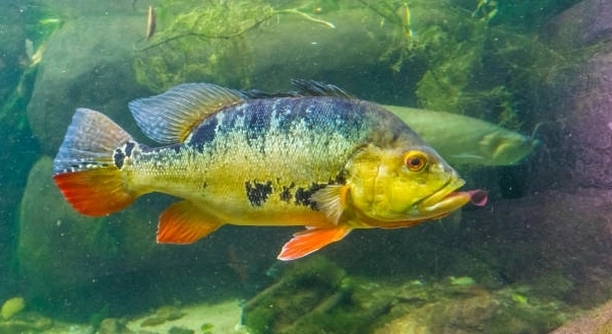
Do your African cichlids spend most of their time hiding behind rocks or acting aggressively toward other fish in the tank?
The best way to make African cichlids feel secure is by replicating their natural habitat. This includes adding rocks, caves, and proper tank mates, along with maintaining consistent water parameters and reducing sudden environmental changes.
Creating a comfortable space encourages natural behavior, builds trust, and helps reduce stress levels for a healthier and more active group of fish.
Add Plenty of Hiding Spots
African cichlids feel safest when they have access to secure hiding places. In the wild, they live among rocks, caves, and crevices that allow them to escape threats and rest undisturbed. Replicating that environment in your tank helps lower their stress levels. Use natural-looking decorations like stacked rocks, clay pots, or commercial caves made for aquariums. Avoid overcrowding, but include enough coverage so each fish has a space to claim as its own. This helps reduce territorial disputes and makes shy cichlids more confident. Stick to materials that won’t affect water quality, and arrange the decor to allow multiple entry points in and out of each space. Creating a layout that mimics their natural habitat leads to more active, relaxed behavior.
Try not to move decorations too often, as stability helps your fish feel more secure. Consistency in their environment plays a big part in building trust.
Once your tank includes plenty of structured hiding areas, you’ll notice your cichlids settling in more comfortably. Their colors may become brighter, and their movement more relaxed. When fish feel safe, they show more natural behavior, such as digging or guarding territories. It’s a clear sign that your efforts are working. Hiding spots don’t just help with stress—they create a more peaceful tank overall.
Keep Tank Mates Compatible
African cichlids are territorial, and not all fish are suitable companions. Adding the wrong ones can cause unnecessary stress and aggression.
It’s best to keep African cichlids with species of similar size, temperament, and activity levels. Mbuna cichlids, for example, do best with other Mbuna. Mixing aggressive species with peaceful ones leads to constant conflict and stress. Make sure the tank is large enough to support multiple territories and has visual barriers to break up lines of sight. Stocking in odd numbers can also help spread aggression. Avoid combining African cichlids with community fish or delicate species that cannot defend themselves. Pay attention to behavior after introducing new fish, and remove any that are being harassed. A well-matched tank reduces competition and lets the fish feel more at ease. Watching them swim freely without constant chasing is a good sign they’re comfortable. Careful planning goes a long way in keeping the tank peaceful.
Maintain Consistent Water Conditions
African cichlids are sensitive to water changes. Fluctuations in pH, temperature, or hardness can make them anxious and prone to illness. Stable conditions help them stay relaxed, active, and show their natural colors.
Keep the water temperature between 76°F and 82°F and use a reliable heater to avoid fluctuations. Cichlids prefer hard, alkaline water with a pH between 7.8 and 8.6. Use crushed coral or aragonite sand to maintain these levels naturally. Test the water weekly for ammonia, nitrites, nitrates, and pH to make sure everything stays within range. Perform partial water changes regularly, but avoid large, sudden shifts. Sudden drops in temperature or spikes in toxins can cause stress and hide their usual activity. Always use dechlorinated water and match the temperature before adding it to the tank. Consistent care builds a secure environment your cichlids can depend on.
Changes in water quality aren’t always visible right away, but cichlids will respond through their behavior. You might notice them hiding more or swimming erratically. Clean filters regularly, but avoid over-cleaning, which can remove beneficial bacteria. Keep feeding habits steady, too, since uneaten food can affect water quality. A stable, clean tank with proper chemistry helps your cichlids feel safe. When conditions stay balanced, they are more active, social, and less aggressive with one another.
Reduce Loud Noises and Vibrations
African cichlids are sensitive to loud sounds and tank vibrations, which can startle them and lead to hiding or frantic swimming. Sudden noise from slamming doors, loud music, or banging on the glass makes them feel threatened.
Place the tank in a quiet area away from heavy foot traffic, speakers, or televisions. Avoid tapping on the glass or placing the tank on unstable stands that shake when you walk by. If you have small children or pets, try to create a calm space around the aquarium where they won’t disturb the fish. A background on the tank can help block out motion and reduce their stress. Also, use soft tubing and quiet air pumps to minimize internal vibrations. When the tank stays calm, your cichlids will explore more and spend less time hiding. They’ll begin to feel secure knowing their environment isn’t full of surprises or sudden shocks.
Avoid Sudden Lighting Changes
Abrupt changes in lighting can startle African cichlids and cause them to dart around the tank or hide for hours. Use a timer to turn lights on and off gradually to create a stable routine.
Natural daylight cycles help reduce anxiety. Avoid turning tank lights on in a dark room or shutting them off suddenly at night. Use ambient room lighting as a buffer.
Provide a Balanced Diet
Feeding your African cichlids a proper diet plays a big role in their comfort and behavior. Poor nutrition can cause health problems and increase stress levels. Stick to high-quality pellets made for herbivorous or omnivorous cichlids, depending on your fish’s needs. Supplement with blanched vegetables like spinach or zucchini and avoid fatty or protein-rich foods that can cause digestive issues. Feed small amounts once or twice a day and remove leftovers quickly to protect water quality. A consistent feeding routine gives your fish a sense of structure and keeps them active and content. Healthy fish are more confident and social in their environment.
Limit Frequent Rearranging
African cichlids rely on familiar surroundings. Constantly changing decorations or rearranging their tank layout can make them feel unsettled and insecure. Stick to a stable layout so they can form territories and recognize their safe zones.
How do I know if my African cichlids feel secure?
Secure African cichlids display calm and natural behavior. They swim confidently, explore the tank, and use hiding spots without constantly darting or hiding. Bright coloration and regular feeding habits also signal comfort. If they chase tank mates only occasionally and avoid excessive aggression, it’s a good sign.
What should I do if my cichlids are still aggressive?
Aggression is natural in many African cichlid species, but it can be controlled. Check tank size—overcrowding increases fights. Provide more hiding spots and visual barriers to reduce line-of-sight confrontations. Consider separating overly aggressive individuals. Adjusting tank mates to species with similar aggression levels can help. Maintain water quality and stable conditions, as stress worsens aggression.
Can African cichlids live with other fish?
They can live with certain compatible species but need careful selection. Other African cichlids with similar size and temperament work best. Avoid peaceful or slow-moving fish that may get bullied. Always observe behavior after introducing new fish and be ready to separate them if aggression occurs.
How often should I change the water to keep my cichlids secure?
Regular water changes are essential. Aim for 20-25% changes every week or two. This removes toxins and keeps water chemistry stable. Avoid large or sudden changes that can stress the fish. Use dechlorinated water and match its temperature to the tank before adding it.
What tank size is best for African cichlids?
A minimum of 30 gallons is recommended for a small group. Larger tanks of 50 gallons or more allow better territory formation and reduce aggression. Bigger tanks provide space for hiding spots and help maintain water stability.
Should I use a specific type of substrate?
Use sand or fine gravel, as many African cichlids like to dig. Avoid sharp or rough substrates that could injure them. Adding crushed coral or aragonite helps maintain alkaline pH, which suits their natural habitat.
How important is tank decoration for security?
Decorations like rocks and caves are very important. They provide shelter and reduce stress by offering safe spaces. Arrange them to create multiple territories and hideouts, breaking up open areas. Avoid overcrowding, which limits swimming space.
Can sudden noises outside the tank affect my fish?
Yes. Loud sounds or vibrations can startle cichlids and cause stress. Place the tank in a quiet area, away from heavy foot traffic and loud devices. Avoid tapping on the glass or sudden movements near the tank.
Is it necessary to keep the lighting consistent?
Consistent lighting supports natural rhythms and reduces stress. Use a timer to simulate day and night cycles. Avoid abrupt on/off switches or very bright lights without a transition. Natural lighting patterns help fish feel safe and secure.
How do I feed my African cichlids to keep them healthy and secure?
Feed high-quality pellets designed for their species, with occasional vegetables for herbivores. Avoid overfeeding, as excess food can degrade water quality. Feed small amounts once or twice daily and remove uneaten food promptly. A balanced diet supports their immune system and behavior.
What should I do if I notice changes in behavior?
Behavior changes often signal stress or illness. Check water parameters first for any imbalances. Look for signs like lethargy, loss of appetite, or unusual hiding. Address any water quality or tank condition issues immediately. If needed, consult a specialist for disease diagnosis.
How do I introduce new cichlids without causing stress?
Introduce new fish slowly, using a quarantine tank first to prevent disease spread. When adding them to the main tank, rearrange some decorations to reset territories and reduce aggression. Monitor interactions closely and separate if conflicts become severe.
What temperature is ideal for African cichlids?
Keep the temperature between 76°F and 82°F. Use a reliable heater and thermometer to maintain this range consistently. Sudden temperature changes cause stress and weaken their immune system.
Are there specific water hardness requirements?
Yes. African cichlids thrive in hard, alkaline water with a pH of 7.8 to 8.6. Use substrates like crushed coral to maintain hardness naturally. Test regularly and adjust with buffers if needed.
Can stress affect their coloration?
Stress often dulls their colors. Secure, comfortable cichlids display brighter, more vibrant hues. Ensuring proper habitat, diet, and water quality helps maintain their natural beauty.
Creating a secure environment for African cichlids is essential for their well-being and happiness. These fish thrive when their tank closely resembles their natural habitat. Providing plenty of hiding spots such as rocks and caves allows them to feel safe and claim their own space. Stable water conditions and compatible tank mates reduce stress and aggression, giving your cichlids the confidence to swim freely and display their natural behaviors. Consistency is key in all aspects of their care, from lighting to feeding routines.
Maintaining proper water quality is one of the most important parts of keeping African cichlids secure. Regular water testing and partial water changes help prevent harmful toxins from building up. Using appropriate substrates and decorations supports the right water chemistry and gives the fish places to explore and hide. Noise and vibration should be minimized, and the tank should be placed in a quiet, stable area. These factors all contribute to a peaceful environment where your cichlids can feel safe and healthy.
Ultimately, the effort you put into creating a secure space for your African cichlids will show in their behavior and appearance. Secure fish are more active, less aggressive, and have brighter colors. They interact better with tank mates and respond well to feeding and care routines. Watching your cichlids settle in and thrive is rewarding and makes maintaining their tank easier. Taking the time to understand their needs and provide a stable environment ensures long-term success and enjoyment with these fascinating fish.

Hello,
If you enjoy the content that we create, please consider saying a "Thank You!" by leaving a tip.
Every little bit helps us continue crafting quality advice that supports the health, happiness, and well-being of pets around the world, for pets of all shapes, sizes, and species.
We really appreciate the kindness and support that you show us!