
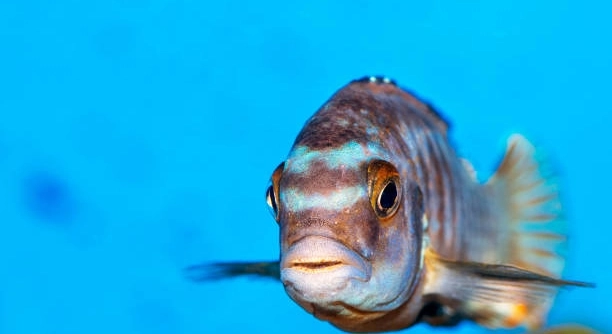
Are your cichlids spending most of their time in one spot of the tank? This behavior can seem unusual and may cause concern for their well-being. Understanding why they stay put is important for their care.
Cichlids often remain in one area due to stress, water quality issues, or territorial behavior. These factors can affect their comfort and health, leading them to choose a safe or preferred spot within their environment for stability and security.
Knowing the reasons behind this behavior helps you create a better habitat for your fish. It can improve their health and make your aquarium a more balanced space.
Common Reasons Cichlids Stay in One Spot
Cichlids may remain stationary for several reasons, often related to their environment or health. Poor water quality is a frequent factor, causing discomfort or stress that makes them avoid moving around. Water that is too warm, cold, or contains harmful chemicals can negatively impact their behavior. Another reason is territoriality. Cichlids are known to claim specific areas of the tank, defending them against other fish. This behavior can cause them to stay mostly in that space. Illness or injury may also limit their movement. When fish feel weak or unwell, they tend to rest in one place to conserve energy. Observing their surroundings and physical condition can provide clues to what might be affecting their activity. Regular monitoring and maintenance of the tank can help prevent these issues and keep cichlids more active and healthy.
Territorial behavior often leads cichlids to choose a single spot they consider safe and defend it vigorously.
Proper tank care can reduce stress and encourage cichlids to explore more freely. Adjusting water parameters and maintaining cleanliness support their natural behavior.
How Water Quality Affects Cichlid Behavior
Water quality plays a vital role in how cichlids behave. Poor conditions such as high ammonia, nitrite, or nitrate levels stress the fish, causing them to hide or remain still. These toxic substances build up when filtration is inadequate or when the tank is not cleaned regularly. Additionally, sudden changes in pH or temperature can disrupt their comfort. Cichlids are sensitive to their environment and will avoid areas where water conditions are unfavorable. Ensuring proper filtration, regular water changes, and stable parameters can improve their activity. Maintaining a clean tank not only keeps cichlids healthier but also reduces the risk of disease. When water quality is optimal, fish feel safe and more likely to swim around, displaying normal, active behavior. Monitoring water with test kits helps catch issues early before the fish are affected. This approach leads to a thriving aquarium environment.
Regular testing and consistent water changes keep the tank environment stable for cichlids.
Keeping water parameters stable prevents stress and encourages natural movement in cichlids.
Signs of Stress in Cichlids
Cichlids often stay in one spot when they are stressed. Signs include rapid breathing, loss of appetite, and clamped fins. Stress can weaken their immune system, making them more vulnerable to illness.
Stress in cichlids is usually caused by poor water conditions, overcrowding, or aggressive tank mates. If the water quality is bad, they may feel uncomfortable and limit their movement to a safe spot. Aggression from other fish can also cause stress, making cichlids hide or stay still to avoid conflict. Recognizing these signs early helps in taking prompt action to reduce stress and improve their environment.
When cichlids experience stress, their behavior changes noticeably. They may lose interest in food and hide more often. Reducing stress involves improving water quality, providing enough space, and managing tank compatibility to create a calm habitat.
Importance of Proper Tank Setup
A well-set-up tank encourages cichlids to explore and be active. Proper decorations and hiding spots reduce stress and provide comfort. Avoid overcrowding to maintain peace and balance.
The tank size and layout significantly influence cichlid behavior. Small or crowded tanks limit their movement and cause territorial disputes. Providing adequate space allows each fish to establish its own area without constant conflict. Decorations such as rocks and plants create hiding places and break sightlines, reducing aggression. Proper lighting and water flow also affect their comfort. A balanced setup mimics their natural habitat, promoting natural activity. When the environment meets their needs, cichlids are less likely to stay in one spot and more likely to display vibrant, healthy behavior. Regularly adjusting and improving the tank setup supports their well-being and overall happiness.
Effects of Temperature on Cichlid Activity
Temperature greatly impacts cichlids’ movement. Water that is too cold or too warm can cause them to slow down or stay still. Maintaining a stable temperature within their ideal range is essential.
Sudden temperature changes can stress cichlids, leading to inactivity. Using a reliable heater and thermometer helps keep conditions steady and comfortable for the fish.
Monitoring Health Closely
Observing your cichlids regularly helps catch early signs of illness. Staying in one spot may indicate injury or sickness requiring attention.
Feeding Habits and Activity
Cichlids that feel unwell often lose appetite and avoid swimming. Proper feeding supports their energy and activity levels.
Tank Mates and Social Behavior
Aggressive or incompatible tank mates can cause cichlids to hide or stay isolated. Careful selection promotes harmony.
FAQ
Why are my cichlids staying in one spot and not swimming around?
Cichlids often stay in one spot due to stress, poor water quality, or illness. They might feel unsafe or uncomfortable in their environment. Sometimes territorial behavior also causes them to stick to one area. Ensuring proper water conditions and a suitable tank setup encourages more active swimming.
Can water parameters really affect cichlid behavior that much?
Yes, water parameters like temperature, pH, ammonia, nitrite, and nitrate levels greatly influence cichlid health and behavior. If these are out of range, fish become stressed and may reduce movement. Regular testing and maintaining stable, appropriate water conditions help keep cichlids active and healthy.
How can I tell if my cichlid is sick or just resting?
Signs of illness include clamped fins, rapid breathing, loss of appetite, and abnormal spots or discoloration. Resting fish still show normal breathing and will respond to stimuli like food. Observing these details closely helps decide if medical care is needed.
Does tank size impact why cichlids stay still?
Definitely. Small or overcrowded tanks restrict movement and increase stress, causing cichlids to stay put. A spacious tank allows them to swim freely and establish territories without constant conflict, promoting healthier behavior.
Can temperature fluctuations cause cichlids to behave differently?
Yes, cichlids prefer stable temperatures. Sudden drops or rises can shock them, making them less active. Using a quality heater and thermometer to maintain steady temperature within their ideal range prevents stress and inactivity.
Do aggressive tank mates affect cichlid movement?
Aggressive or incompatible tank mates can intimidate cichlids, causing them to hide or stay still. Choosing peaceful companions and providing enough space and hiding spots reduces aggression and encourages natural movement.
How often should I test my aquarium water?
Testing at least once a week is recommended, especially for parameters like ammonia, nitrite, nitrate, and pH. Frequent checks help catch issues early, preventing stress and unhealthy behavior in cichlids.
What should I do if my cichlid continues to stay in one spot despite good water quality?
If water quality is good, observe for other causes like illness, stress from tank mates, or lack of hiding places. Consider consulting a vet or aquarium specialist if behavior doesn’t improve after environmental adjustments.
Can diet affect cichlid activity levels?
Yes, a poor diet or lack of food can cause lethargy. Providing a balanced diet with appropriate nutrients supports energy and normal swimming behavior. Avoid overfeeding, which can harm water quality and fish health.
Is it normal for cichlids to rest frequently?
Resting is normal, but prolonged inactivity or staying in one spot without normal responses can signal problems. Short rest periods are healthy; however, constant stillness needs attention to environment or health.
Final Thoughts
Cichlids staying in one spot is a common behavior that can have many causes. Often, it points to issues with their environment, such as water quality or tank setup. Paying attention to water parameters like temperature, pH, and cleanliness is important. These factors influence how comfortable and healthy your fish feel. When water conditions are stable and clean, cichlids tend to be more active and display natural behaviors. Keeping the tank properly maintained helps avoid stress that might cause fish to stay still.
Stress and health problems are other key reasons cichlids may remain in one area. Stress can come from overcrowding, aggressive tank mates, or sudden changes in the aquarium. When fish feel threatened or unwell, they often reduce movement to conserve energy and protect themselves. Watching for signs such as clamped fins, loss of appetite, or unusual spots can help identify if your cichlids are sick. Prompt attention to these symptoms, along with improving their environment, supports recovery and encourages activity.
Finally, tank design and diet also play a role in cichlid behavior. Providing enough space and hiding places helps reduce conflict and creates a sense of security. This can encourage fish to explore rather than stay put. Feeding a balanced diet ensures your cichlids have the energy they need to stay active. Overfeeding or poor nutrition can negatively affect their health and behavior. By focusing on these basic care elements, you create a healthier, more comfortable home for your cichlids, helping them thrive and move naturally within their tank.

Hello,
If you enjoy the content that we create, please consider saying a "Thank You!" by leaving a tip.
Every little bit helps us continue crafting quality advice that supports the health, happiness, and well-being of pets around the world, for pets of all shapes, sizes, and species.
We really appreciate the kindness and support that you show us!