
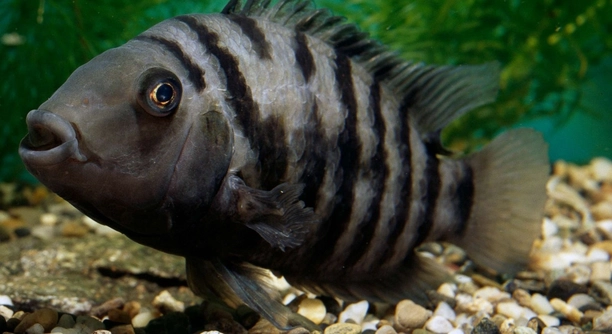
African cichlids are popular fish known for their vibrant colors and interesting behavior. Many aquarium enthusiasts enjoy keeping them because they add life to any tank. Some people wonder if a lone cichlid can thrive alone without companions.
A lone African cichlid can be happy if its environment meets its needs, including proper tank size, water quality, hiding spots, and stimulation. Social behavior varies by species, so understanding the fish’s natural habits is essential for its well-being.
Knowing how to care for a solitary cichlid helps prevent stress and promotes a healthy life. This article will explain key factors to keep your fish comfortable and satisfied on its own.
Understanding African Cichlid Behavior
African cichlids are known for their strong personalities and territorial nature. Many species prefer to establish clear boundaries, which can lead to aggression if kept with others in a small space. This is why some people choose to keep a single cichlid, especially when tank size is limited. However, this does not mean the fish can be left without attention. A solitary cichlid still needs a well-structured environment to feel secure. Providing hiding spots, like rocks and caves, helps reduce stress. The fish also benefits from consistent water conditions and a varied diet to maintain its health. Recognizing the specific species is important, as some cichlids are more social, while others are naturally loners. Careful observation of behavior will tell you if your fish is comfortable alone or showing signs of distress.
Maintaining a peaceful setting for a lone cichlid involves minimizing stress and providing enough stimulation through environment design.
A well-maintained tank encourages natural behaviors, such as exploring and defending territory. Including decorations and plants mimics their natural habitat and can help keep them mentally engaged.
Tank Setup for a Single African Cichlid
A proper tank setup is crucial when keeping a single African cichlid. The tank size should be large enough to allow freedom of movement and space to establish territory. At least 30 gallons is recommended for many species. Water quality must be carefully monitored, with stable pH and temperature that matches their native conditions. Filtering systems should keep the water clean but avoid strong currents that may stress the fish. Lighting should replicate a natural day-night cycle, which supports healthy behavior. The tank should include plenty of rocks or caves to offer hiding places and territory markers. This setup not only makes the fish feel safe but also prevents boredom. Regular cleaning and water changes keep the environment healthy, reducing the risk of disease.
A proper tank setup supports the physical and mental well-being of a lone African cichlid.
Creating a balanced environment prevents common issues and promotes natural activity, keeping the fish active and content.
Feeding and Nutrition
African cichlids need a balanced diet to stay healthy and active. Providing a mix of high-quality pellets, flakes, and occasional live or frozen foods is important. Avoid overfeeding, as it can pollute the tank and harm your fish.
Feeding should be done once or twice a day in small amounts that the cichlid can consume within a few minutes. Many cichlids enjoy a diet rich in protein, but some species need more plant matter, so research your fish’s dietary needs. Variety helps prevent nutritional deficiencies and keeps the fish interested in food. Fresh vegetables like peas or spinach can be given occasionally to supplement their diet.
Watch your cichlid’s appetite closely. Changes in eating habits may indicate stress or illness. Keeping a feeding routine will help the fish feel secure and maintain its health over time.
Signs of Stress in a Lone Cichlid
Stress in African cichlids can show through unusual behavior, such as hiding constantly, loss of appetite, or aggressive outbursts. These signs may mean the fish is uncomfortable or its environment needs adjustment.
Stress often occurs when water quality is poor or when the tank lacks proper hiding places. Overcrowding or sudden changes in water temperature can also upset your cichlid. Even as a single fish, lack of stimulation might cause boredom and stress. Keeping the tank clean and stable helps reduce these risks.
If you notice signs of stress, check water parameters immediately and make sure your cichlid’s needs are met. Sometimes, rearranging the tank or adding more decorations can help the fish feel more secure and less anxious.
Social Needs of a Lone African Cichlid
Some African cichlids can live happily alone, while others need company to thrive. It depends on the species and their natural behavior. Knowing your cichlid’s social needs is key to its happiness.
Solitary fish may become stressed without interaction, but aggressive species might do better alone to avoid fights.
Maintaining Water Quality
Regular water testing is essential for a lone cichlid’s health. Parameters like pH, ammonia, nitrite, and nitrate levels must be stable. Clean water reduces stress and disease risk. Perform weekly partial water changes to keep the tank environment safe and healthy.
Enrichment for a Single Cichlid
Providing objects to explore, like rocks and plants, helps keep a lone cichlid mentally active. Changing the tank layout occasionally also adds stimulation. This enrichment prevents boredom and encourages natural behaviors, which supports overall well-being.
Common Health Issues
Watch for signs of illness such as lethargy, faded colors, or unusual spots. Early detection is important to treat problems quickly and maintain your cichlid’s health.
FAQ
Can a lone African cichlid live happily without other fish?
Yes, many African cichlid species can live happily alone if their tank environment meets their needs. A properly sized tank with enough hiding spots, clean water, and regular feeding helps keep a single cichlid comfortable. Some species are naturally territorial or aggressive, making them better suited to solitary life. However, it is important to know your cichlid’s specific behavior because a few species may become stressed if completely isolated.
How large should the tank be for a single African cichlid?
A minimum of 30 gallons is recommended for a single African cichlid to ensure enough space for swimming and territory. Larger tanks allow better water quality and provide room for decorations and hiding spots. A bigger tank also reduces stress by giving the fish space to avoid feeling crowded or threatened.
What is the best diet for a lone African cichlid?
A balanced diet with high-quality pellets or flakes designed for cichlids works well. Supplement with occasional live or frozen foods like brine shrimp or bloodworms. Some species need plant-based foods too, so include vegetables like peas or spinach. Feeding once or twice daily in small portions prevents overfeeding and keeps water clean.
How often should I change the water for a single cichlid tank?
Perform partial water changes of about 20-30% weekly to maintain water quality. Regular changes help remove toxins like ammonia and nitrates, which can build up quickly even in a well-filtered tank. Consistent water changes reduce stress and keep your cichlid healthy.
What are common signs of stress in a lone African cichlid?
Signs include hiding all the time, loss of appetite, faded colors, or sudden aggression. The fish might also swim erratically or stay at the surface or bottom of the tank. These behaviors suggest the environment needs adjustment, such as better hiding spots, stable water parameters, or reduced disturbances.
Can I keep decorations and plants in a cichlid tank?
Yes, rocks, caves, and plants provide hiding places and enrichment. African cichlids like to explore and claim territories. Decorations help reduce stress and mimic their natural environment. Choose sturdy plants or artificial ones, as some cichlids may uproot delicate live plants.
Is it normal for a lone cichlid to be aggressive?
Aggression is natural for many African cichlid species, especially when defending territory. In a single-fish tank, aggression may be less visible since there are no other fish to target. However, aggression toward reflections or tank decorations can still occur. Providing plenty of space and hiding spots helps manage this behavior.
How do I know if my cichlid is sick?
Look for lethargy, loss of appetite, abnormal swimming, or visible spots and discoloration. Clamped fins or rapid breathing may also indicate illness. Early treatment improves recovery chances, so monitor your fish regularly and act quickly if symptoms appear.
Can I keep a lone African cichlid with other species?
Some cichlids may tolerate tank mates, but many are territorial and aggressive, especially in smaller tanks. Research the compatibility of your cichlid species before adding others. Introducing other fish can cause stress and fights if not carefully planned.
What temperature and pH should I maintain?
Most African cichlids prefer water temperatures between 75-82°F (24-28°C) and a pH around 7.8 to 8.6. Maintaining stable temperature and pH within this range supports health and natural behavior. Use a reliable heater and test kits to keep conditions steady.
How often should I feed my lone cichlid?
Feed once or twice daily with small amounts that the fish can eat within a few minutes. Overfeeding leads to poor water quality and health issues. A consistent feeding schedule helps the cichlid stay healthy and reduces waste buildup in the tank.
What should I do if my cichlid is hiding all the time?
Check water quality and tank setup first, as poor conditions often cause hiding. Ensure there are enough hiding spots to help your fish feel secure. If hiding continues, consider whether the fish is stressed, ill, or uncomfortable with the environment. Adjust tank conditions or consult an expert if needed.
Is it okay to rearrange the tank decorations?
Yes, rearranging decorations occasionally can provide new stimulation and reduce boredom. However, do it gradually to avoid causing too much stress. Moving too many things at once may confuse your cichlid, so small changes are better.
What should I do if my cichlid stops eating?
Loss of appetite can be a sign of stress, illness, or poor water quality. Test the water parameters and look for other signs of illness. Try offering different foods or adjusting feeding times. If the problem continues, seek advice from a vet or aquarium specialist.
Are African cichlids noisy or disruptive?
Cichlids don’t make noise that humans can hear, but they can be very active and sometimes aggressive. Their behavior may include digging or moving substrate, which can disturb tank decorations. This is natural and part of their territorial habits.
How long do African cichlids live?
With proper care, African cichlids can live 8 to 10 years or more. Good tank maintenance, a healthy diet, and a stable environment contribute to a longer lifespan. Regular monitoring helps catch health issues early and keeps your fish thriving.
This FAQ covers important points about caring for a lone African cichlid. Proper care helps your fish stay healthy and content in a single-species tank.
Keeping a lone African cichlid happy is possible with the right care and environment. These fish are known for their bold colors and interesting behaviors, but they also have specific needs that must be met. A proper tank setup, including enough space, clean water, and plenty of hiding places, is essential. Without these, the fish can become stressed or unhealthy. Understanding the species you have is important because different cichlids behave differently. Some enjoy solitude, while others might feel lonely or bored. Paying attention to your fish’s behavior will help you know if it is doing well on its own.
Feeding your cichlid a balanced diet is another key part of keeping it happy. Providing a variety of foods, including high-quality pellets and occasional live or frozen treats, ensures your fish gets all the nutrients it needs. Overfeeding should be avoided because leftover food can pollute the tank and lead to poor water quality. Maintaining stable water conditions through regular testing and partial water changes helps prevent stress and illness. These steps create a healthy environment where your cichlid can thrive, even without other fish around.
Finally, enrichment is important for a lone African cichlid. Adding rocks, caves, and plants gives the fish places to explore and claim as territory. Changing the tank layout from time to time can keep the environment interesting and reduce boredom. A fish that has space to move and things to explore is more likely to display natural and healthy behaviors. Monitoring your cichlid for any signs of stress or illness and addressing these quickly will support its long-term health. With care and attention, a single African cichlid can live a happy and fulfilling life.

Hello,
If you enjoy the content that we create, please consider saying a "Thank You!" by leaving a tip.
Every little bit helps us continue crafting quality advice that supports the health, happiness, and well-being of pets around the world, for pets of all shapes, sizes, and species.
We really appreciate the kindness and support that you show us!