
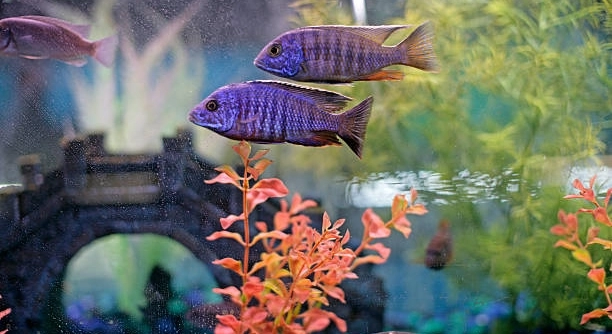
African cichlids are popular aquarium fish known for their bright colors and active behavior. Many hobbyists observe how these fish interact with each other in tanks. Their social behavior often sparks interest among fish enthusiasts and researchers alike.
African cichlids do have a social hierarchy, where dominant individuals establish territories and control access to resources. This structured ranking influences their interactions, mating, and feeding behaviors, playing a critical role in their survival and social organization.
Understanding their social structure helps aquarium owners create better environments for these fish. This knowledge can improve fish health and reduce aggression in community tanks.
Understanding Social Hierarchy in African Cichlids
African cichlids live in groups where each fish has a rank. This social order is clear when they compete for space, food, and mates. Dominant fish claim the best territories and display brighter colors to show their status. Subordinate fish often avoid confrontation and stay in less desirable areas. This hierarchy helps reduce constant fighting, allowing the group to function more smoothly. In the wild, this system ensures that the strongest fish reproduce and survive. In aquariums, it means some cichlids will act aggressively while others stay more passive. Recognizing these behaviors can help you manage tank dynamics better. By providing enough space and hiding spots, you can lessen stress among fish. Observing their interactions can be fascinating and gives clues about their health and mood. Social ranking is natural and important for cichlids’ wellbeing, whether in a lake or a tank.
Social hierarchy helps African cichlids maintain balance in their groups, reducing unnecessary fights and stress.
Knowing how their rank affects behavior is key to creating a peaceful aquarium environment. It allows you to predict conflicts and provide proper care. For example, dominant males may need larger territories to feel comfortable, while smaller fish benefit from hiding places. Feeding time can also reveal the hierarchy, as dominant fish eat first. This system also influences breeding; dominant males court females and guard nests. By understanding these dynamics, you can support healthy social interactions, which improve fish survival and tank harmony. A well-planned setup that respects their social needs leads to less aggression and more natural behavior, making your aquarium experience more rewarding.
How to Support Social Structure in Your Tank
Creating an environment that respects the social order is important.
To support social hierarchy, provide plenty of space and break the tank into territories. Use rocks and plants to create barriers. This helps reduce stress and limits fights. Grouping similar-sized fish can prevent bullying, while careful monitoring allows early intervention if aggression rises. Consistent feeding and regular tank maintenance also keep fish healthy and less prone to conflict. Following these steps helps your cichlids live more naturally and comfortably, reducing problems often caused by overcrowding or poor tank setup.
Signs of Social Hierarchy in African Cichlids
Dominant cichlids often display brighter colors and hold prime territories. Subordinates usually stay hidden or in less favorable spots. These visible signs indicate who leads and who follows within the group.
Color changes signal rank shifts. A dominant fish may become more vibrant during displays or fights. Subordinate fish might dull their colors to avoid attention and conflict. Body posture also reflects status; dominant fish swim confidently, while others appear cautious or submissive. Aggressive behaviors like chasing or biting usually come from higher-ranking individuals enforcing their position. Watching these signs helps you understand your tank’s social balance and spot when tension rises. Recognizing dominance early allows you to adjust the tank setup or separate overly aggressive fish before stress harms the group.
Observing feeding order reveals hierarchy too. Dominant fish eat first and can block others from food. Subordinates wait or sneak bites when possible. This order affects health, so feeding strategies like spreading food help reduce competition. You might notice some fish actively defending their territory while others keep their distance. These behaviors are natural and important for maintaining order, but they require your attention to keep peace in the tank.
Managing Aggression in African Cichlid Tanks
Aggression is natural but needs control to prevent injury.
To manage aggression, ensure the tank has enough hiding spots and space for all fish to claim territories. Overcrowding can increase fights, so keep fish numbers appropriate for your tank size. Introducing fish of similar size helps reduce bullying. When aggression spikes, rearranging tank decorations can disrupt established territories and lower conflict. Avoid sudden changes that stress the fish, but gradual adjustments can improve social harmony. Feeding frequently and in multiple locations reduces food competition and calms tensions. If aggression remains high, separating the most aggressive fish may be necessary. Maintaining stable water conditions also supports calmer behavior and overall health, making your tank a safer place for all its inhabitants.
Territory and Space Needs
African cichlids need clearly defined territories to feel secure. Without enough space, fights increase quickly. Providing adequate room helps reduce stress and aggression.
Dividing the tank with rocks, plants, or decorations gives each fish its own area. This setup supports natural behavior and social balance.
Impact of Breeding on Social Hierarchy
Breeding season often intensifies social hierarchy. Dominant males guard nests aggressively and control access to females. Subordinate males usually wait for chances to mate or stay out of the way to avoid conflict. Females may also show territorial behavior around breeding sites. This reproductive hierarchy ensures strong genes pass to the next generation but can raise tension in the tank. Understanding these changes helps you manage tank conditions to support breeding while keeping peace.
Recognizing Stress Signs
Stress in cichlids shows through color fading, hiding, and loss of appetite. Recognizing these signs early helps prevent illness.
FAQ
How do African cichlids establish their social hierarchy?
African cichlids establish hierarchy through displays of strength and territory control. Dominant males often show brighter colors and chase away rivals. These behaviors help each fish understand its rank, reducing constant fights. Smaller or weaker fish usually avoid conflict by staying in less crowded areas or hiding spots.
Can social hierarchy cause problems in a home aquarium?
Yes, social hierarchy can sometimes cause problems. If the tank is too small or overcrowded, dominant fish may become overly aggressive. This can stress or injure other fish. Providing enough space, hiding places, and similar-sized fish helps reduce aggression. Rearranging tank decorations can also help break up established territories and calm tensions.
How can I tell if my cichlids are stressed because of hierarchy issues?
Signs of stress include dull or faded colors, hiding more than usual, and reduced appetite. Aggressive chasing or constant bullying may also stress fish. Stressed fish are more prone to disease, so it’s important to watch their behavior closely. Adjusting the environment or separating aggressive fish can improve their wellbeing.
Do all African cichlids have the same social behavior?
Not exactly. Different species of African cichlids show different levels of aggression and social structures. Some are more territorial, while others live peacefully in groups. Researching your specific species helps you provide the right environment to support their social needs and reduce conflict.
What role does territory play in African cichlid behavior?
Territory is very important. Dominant fish claim and defend specific areas for feeding, resting, or breeding. These spaces give them a sense of security and control. Subordinate fish avoid these areas or stay on the edges. In an aquarium, creating distinct territories with rocks or plants can mimic their natural environment and reduce fights.
How does breeding affect social hierarchy in cichlids?
During breeding, dominant males become more aggressive to protect their nests and attract females. This can raise tension in the tank. Females also defend their chosen areas. Subordinate males usually back off until they get a chance to mate. Knowing this helps you prepare your tank to handle increased aggression during breeding times.
Can social hierarchy change over time?
Yes, social hierarchy can change as fish grow or new individuals join the tank. A young or weaker fish can become dominant later if conditions change. Introducing new fish can disrupt the existing order until the hierarchy is re-established. Regular observation and management keep the social balance healthy.
What can I do if aggression gets out of control?
If aggression becomes severe, separating the most aggressive fish may be necessary. Increasing tank size, adding more hiding spots, or rearranging decorations can help. Feeding fish in multiple locations reduces competition. Sometimes lowering light or slightly cooling water temperature calms fish. Always act quickly to prevent injury and stress.
Is it better to keep African cichlids in groups or pairs?
Keeping cichlids in groups often works better because a clear hierarchy can form, reducing continuous fighting. Pairs may fight intensely without other fish to distract them. However, the tank must be large enough to provide space for all individuals. Proper group size and tank setup are key to success.
How often should I monitor social behavior in my tank?
Daily observation is ideal. Watching interactions during feeding and general swimming helps spot early signs of conflict or stress. Catching problems early makes it easier to adjust tank conditions and prevent harm. Consistent monitoring is part of good fish care and ensures a healthy environment for your cichlids.
African cichlids have a clear social hierarchy that affects how they live together. Dominant fish control space, food, and mates, while subordinate fish take on less powerful roles. This natural order helps reduce constant fighting and supports the survival of the strongest individuals. Understanding this social system is important for anyone keeping cichlids in an aquarium. It explains why some fish act aggressively while others seem shy or avoid certain areas. Knowing these behaviors makes it easier to create a peaceful and healthy environment for your fish.
In a home aquarium, the social hierarchy can sometimes cause stress or aggression if the tank is too small or crowded. Dominant fish may bully others, leading to injuries or illness. To prevent these problems, it’s important to give your cichlids enough space and provide plenty of hiding places. Using rocks, plants, and decorations to create separate territories helps reduce tension. Feeding your fish in several spots can also limit competition for food. Regularly observing your cichlids will help you notice changes in behavior that may signal stress or conflict. Adjusting the tank setup early on keeps the group balanced and calm.
Managing the social needs of African cichlids takes attention and care, but it leads to a more rewarding aquarium experience. By respecting their natural hierarchy and providing a suitable environment, you can enjoy watching their interesting behaviors without constant fighting. Remember that social ranks can change, especially when new fish are added or during breeding periods. Being prepared for these changes helps you keep the tank peaceful. Overall, understanding and supporting the social structure of African cichlids is key to their wellbeing and your success as a fish keeper.

Hello,
If you enjoy the content that we create, please consider saying a "Thank You!" by leaving a tip.
Every little bit helps us continue crafting quality advice that supports the health, happiness, and well-being of pets around the world, for pets of all shapes, sizes, and species.
We really appreciate the kindness and support that you show us!