
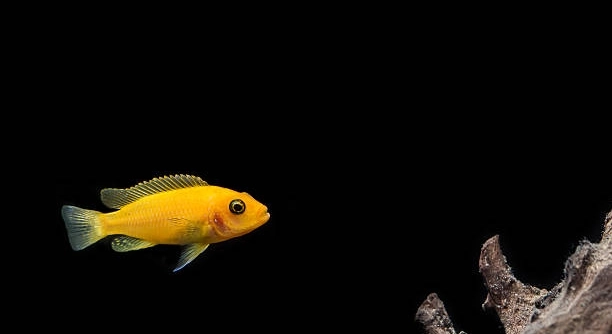
Have you ever noticed your African cichlids acting differently and wondered if something might be wrong with their behavior or mood? These brightly colored fish are often full of energy, making changes easy to spot.
African cichlids can show signs of depression, especially when they are stressed by poor water conditions, lack of stimulation, or social imbalance in the tank. These behavioral changes can indicate a need for environmental adjustments or improved care.
Learning to recognize early signs and understanding what helps can make a real difference in your cichlid’s daily well-being and overall health.
Signs Your African Cichlid May Be Depressed
Depression in African cichlids often shows through noticeable behavioral changes. A fish that was once active may start hiding more, lose interest in food, or stop interacting with others in the tank. These are not random behaviors but signs something may be off. Aggression can also decrease, especially in dominant cichlids who usually control certain parts of the tank. Their color may begin to fade, and they might stay near the bottom or corners of the aquarium. While occasional quiet moments are normal, long periods of inactivity usually mean it’s time to assess their living conditions. Pay attention to how often these behaviors happen and if they occur alongside physical symptoms like torn fins or cloudy eyes. Acting early gives you the chance to improve their setup and restore balance before stress turns into something more serious.
Changes in light, tank mates, or even water quality can impact your cichlid’s mood.
By closely observing your fish, you can catch early signs that something isn’t right. A sudden drop in energy or appetite should not be ignored. These signs help point toward possible stress triggers, allowing you to make quick adjustments and improve their comfort and well-being in the tank.
Tips to Help Improve Your Cichlid’s Mood
Simple changes in their environment can help your cichlid feel more secure and engaged.
Start with checking water conditions. African cichlids need stable temperature, pH, and hardness to stay healthy. Poor water quality is a common stress factor, so test the water regularly. Next, make sure their tank offers enough space and hiding spots. Overcrowding can lead to anxiety and fights, especially in more territorial species. Adding rocks, caves, and plants can give them a sense of safety and reduce unwanted tension. Feeding a varied diet with high-quality pellets and occasional treats can also make a difference. Don’t forget lighting—too much or too little can affect their daily rhythm. Lastly, try to limit sudden changes in the tank. Consistency helps these fish feel safe. If new fish are added, introduce them slowly and monitor how everyone adjusts. These steps can help create a stable and more comfortable space, improving your cichlid’s overall mood and activity.
Common Stress Triggers in African Cichlids
Tank size, aggressive tank mates, and poor water quality are leading causes of stress in African cichlids. Even minor changes like rearranging decor or a sudden temperature shift can unsettle them and lead to long-term behavioral changes.
African cichlids need space to establish territories, and a tank that’s too small can quickly cause tension. If multiple males are fighting for limited space, this creates constant stress and leads to weakened immune systems. Overcrowding is also a problem, especially in tanks without enough hiding areas. Introducing incompatible species can further increase aggression and anxiety. Keep tank mates within the same aggression level and regional compatibility to avoid conflict. Water quality is just as important. Even small shifts in pH or ammonia levels can trigger discomfort. Regular testing and water changes help maintain the balance they need to stay calm and healthy in their environment.
Bright lighting, sudden movements outside the tank, and frequent water changes done improperly can also disturb cichlids. Loud noise near the tank can cause fear responses, and inconsistent feeding routines add unnecessary stress. Try to keep their environment as predictable and peaceful as possible. Creating a calm, consistent space helps these fish feel secure and reduces the chance of stress-based behaviors over time.
How Tank Setup Affects Their Mental State
The overall design of the tank plays a large role in how African cichlids behave each day. A poor setup often leads to anxiety and withdrawal.
Cichlids are territorial fish, and their well-being depends heavily on structure within the tank. Rocks, caves, and proper layering allow them to stake out territory and feel secure. Without these, fish may become restless, hide excessively, or lash out at others. Bright lighting with no shaded areas adds to the discomfort. If they can’t escape the light or other fish, they’ll often retreat to corners and refuse to eat. A plain tank can lead to boredom as well, especially for active species. Additions like live plants (if safe), tunnels, or varied terrain provide mental stimulation and reduce frustration. Also, make sure the filter flow isn’t too strong. Overly strong current can make them feel constantly on edge. A thoughtful layout gives your fish what they need to feel safe and settled.
The Role of Social Structure in Behavior
African cichlids rely heavily on social order. When the balance is disturbed—either by adding too many fish or removing a dominant one—stress increases. Clear hierarchies help reduce fights, while random mixing of species can quickly lead to conflict and anxiety.
Territorial disputes are common without enough space or hiding spots. Keeping similar species together with compatible temperaments helps reduce stress and promotes more stable behavior. Watch for bullying or isolation, which can signal a poor social setup.
Feeding Habits and Their Emotional State
Food plays more than just a nutritional role—it also impacts how your cichlid feels. Skipping meals, feeding the wrong diet, or offering food too infrequently can lead to irritability or disinterest in their surroundings. High-protein, varied meals offered at the same time daily help support both mood and energy. Overfeeding can also create problems like poor water quality, which leads to stress. Try to mimic natural feeding behaviors when possible. For example, some species enjoy picking food from rocks or sand. These small choices give them a sense of routine and control, which helps them stay active and less anxious overall.
When to Seek Professional Help
If your cichlid shows signs of illness, stops eating for days, or becomes increasingly inactive despite changes, it may be time to speak with an aquatic vet.
FAQ
Can fish really get depressed?
Yes, fish can experience states that resemble depression. While it’s not identical to human depression, fish do show emotional responses to stress. African cichlids may stop eating, hide more, lose color, or act differently when something feels off. These behaviors often point to discomfort, fear, or long-term stress. Poor water quality, lack of stimulation, and social imbalance are all known causes. Just like any animal, when basic needs aren’t met, their behavior shifts. While we can’t diagnose depression the same way we would in humans, consistent patterns of lethargy or isolation shouldn’t be ignored.
What does a depressed African cichlid look like?
They usually stop moving around as much, stay hidden for long periods, and show little interest in food. Color may fade, and previously active fish might spend most of the day in one spot. They may also become less territorial or social, avoiding tank mates. This change in behavior often stands out, especially if you’ve had your cichlid for a while and notice a sudden shift. Fin clamping, sluggish swimming, or staying near the bottom of the tank can all be signs of stress-related depression. When seen together, these symptoms suggest it’s time to check the tank environment.
Can tank mates cause depression in African cichlids?
Yes, tank mates have a big impact on a cichlid’s behavior. Aggressive or incompatible fish can stress them out and cause hiding, loss of appetite, or even injuries. African cichlids do best with others that match their aggression level and come from similar water environments. Mixing species from different regions or placing peaceful fish with more dominant types often leads to tension. If one fish constantly bullies another, the weaker one can become withdrawn. Watch for signs of harassment like torn fins or bite marks. Separating aggressive tank mates may be necessary to restore balance.
Does tank lighting affect their mood?
Too much light can make cichlids feel exposed and stressed. Bright, direct lighting with no shaded areas leaves them nowhere to retreat. This lack of security can lead to hiding, inactivity, or erratic swimming. On the other hand, tanks that are too dark all the time may confuse their natural rhythms and lower activity levels. Aim for a natural day-night cycle and give them shaded spots using decor like rocks or floating plants. Balanced lighting helps your fish feel safe, encourages healthy routines, and supports a more natural mood and behavior pattern.
Can boredom really make a fish act depressed?
Yes, lack of stimulation often leads to boredom, especially in active species like African cichlids. A bare tank with no rocks, caves, or interesting spaces can limit their natural behaviors. Without places to explore, claim, or hide, they may become dull, inactive, or even aggressive. Adding variety in the tank gives them more ways to interact with their space, which supports mental well-being. Regularly changing or rotating decor can help keep things fresh. Even small updates in tank layout can encourage activity and reduce signs of stress or boredom.
What if nothing seems to help?
If you’ve adjusted the tank setup, improved water quality, ensured proper diet, and removed aggressive tank mates—but your cichlid still shows signs of depression—it may be time to consult an aquatic veterinarian. Sometimes the behavior is tied to an underlying illness or internal issue that isn’t visible. Parasites, infections, or organ problems can also cause lethargy, loss of appetite, and mood changes. A professional can help you rule out medical causes and provide guidance specific to your fish. Waiting too long can make things harder to treat, so don’t delay if things don’t improve.
Final Thoughts
African cichlids are active, social fish that thrive in the right conditions. When their environment becomes stressful or unbalanced, they can start to show signs of depression. These changes are not random. They are often a sign that something needs to be adjusted in their care. Loss of appetite, hiding, or faded color are all signals to pay attention to. While it’s easy to think of fish as simple pets, they are affected by their surroundings more than many people realize. A calm, consistent, and clean environment can go a long way in keeping your cichlids both healthy and happy.
The way you set up their tank matters. Every detail—from the lighting to the choice of tank mates—can influence their mood. Adding natural-looking decor, hiding places, and enough space helps reduce stress and gives each fish room to act normally. Keep the water parameters stable and test them often. A regular feeding routine with quality food also supports both physical and mental health. Watching how your fish behave each day helps you notice changes early, which makes it easier to act before problems grow. You don’t need anything fancy—just a thoughtful and steady approach to care makes a big difference.
If your African cichlid still seems unhappy after you’ve made changes, it’s okay to reach out for help. Sometimes the issue may be medical or hard to see without experience. A vet who understands aquatic animals can check for illnesses and offer treatment if needed. Don’t feel discouraged if things take time to improve. Just like people, fish respond at their own pace to a more stable, supportive environment. What matters most is staying observant and patient. By meeting their basic needs and adjusting when things seem off, you give your cichlid the best chance to live a full, active life.

Hello,
If you enjoy the content that we create, please consider saying a "Thank You!" by leaving a tip.
Every little bit helps us continue crafting quality advice that supports the health, happiness, and well-being of pets around the world, for pets of all shapes, sizes, and species.
We really appreciate the kindness and support that you show us!