
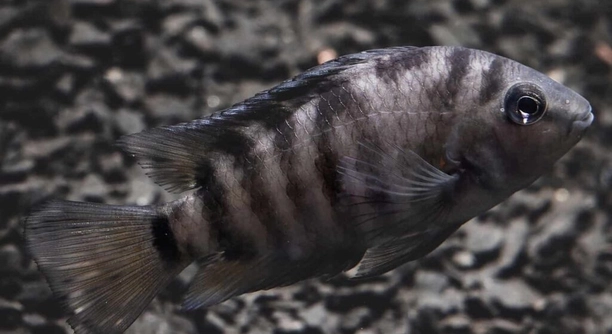
Keeping a cichlid tank healthy requires proper filtration to maintain clean water and a stable environment. Poor filtration can lead to issues that affect both the fish and the tank’s overall balance. Recognizing these problems early helps in preventing long-term damage.
Poor filtration in a cichlid tank results in waste buildup, cloudy water, and harmful ammonia levels. These conditions stress the fish and disrupt the tank’s ecosystem, making it essential to identify signs of inadequate filtration promptly for effective correction.
Identifying these signs can improve your tank’s health and keep your cichlids thriving for years to come.
Cloudy or Discolored Water
When the water in your cichlid tank appears cloudy or discolored, it often signals poor filtration. This happens because the filter is not removing waste particles, uneaten food, or dissolved organic compounds effectively. Over time, these particles accumulate, causing the water to lose its clarity and develop a yellow or brown tint. Cloudy water also reduces oxygen levels, which is harmful to your fish. It’s important to check the filter media regularly and clean or replace it when necessary. A properly maintained filter keeps the water clear and provides a healthier environment for your cichlids. If you notice persistent cloudiness, consider upgrading your filtration system or increasing the frequency of water changes to restore balance.
Clear water is crucial for a healthy tank, so addressing this sign early can prevent bigger problems down the line.
Keeping the water clear also helps you spot other issues, like algae growth or sick fish. Good filtration supports a stable habitat and helps your cichlids stay active and colorful.
Excessive Algae Growth
Excessive algae in the tank is often a sign that filtration is not working well. Without proper filtration, nutrients like nitrates build up, feeding algae and causing rapid growth.
Algae growth can cover decorations, glass, and plants, making the tank look unclean. It also competes with your cichlids for oxygen, especially at night when plants and algae consume oxygen. Poor filtration leads to uneven water flow, allowing algae to thrive in stagnant areas. Reducing light exposure and improving filter efficiency helps control algae. Regular cleaning and water changes also play a big role in keeping algae under control. Ensuring your filter is properly sized and maintained creates a healthier environment for your fish and limits algae growth, making the tank more enjoyable to watch.
Foul Odor from the Tank
A bad smell coming from your cichlid tank usually means the filtration isn’t working well enough to remove waste. This odor can be strong and unpleasant, signaling decaying organic material in the water.
When waste and uneaten food break down, they release harmful substances that cause the bad smell. A weak or clogged filter cannot process these materials quickly, allowing them to accumulate. This buildup affects water quality and stresses your fish, making them more vulnerable to illness. Regular filter cleaning and timely water changes are necessary to prevent foul odors. Upgrading your filtration system can also help maintain a fresh-smelling tank and promote healthier living conditions for your cichlids.
Improving tank hygiene by removing debris and monitoring filter performance keeps the environment pleasant for both you and your fish.
Fish Showing Signs of Stress
Fish acting unusually shy, hiding more often, or showing rapid gill movement can indicate poor water quality caused by inadequate filtration. Stress affects their health and immune system.
Stress in cichlids is often caused by high ammonia or nitrate levels, which happen when filters fail to remove toxins properly. Poor filtration also reduces oxygen availability, forcing fish to work harder to breathe. Over time, stressed fish may lose color, refuse food, or develop diseases like fin rot or ich. Addressing filtration issues quickly is vital to reduce stress and restore a healthy tank. Improving water flow and increasing filter capacity can help your fish feel more comfortable and secure in their environment. Monitoring their behavior regularly lets you catch problems before they become serious.
Uneven Water Flow
Poor filtration often causes weak or uneven water flow in the tank. This leads to stagnant areas where debris and waste settle.
These spots create unhealthy conditions for your cichlids and promote algae growth. Proper water circulation is essential for distributing oxygen and nutrients evenly throughout the tank.
Frequent Filter Clogging
Filters that clog frequently may not be the right size or type for your cichlid tank. When filters clog, they lose efficiency and cannot clean the water properly.
Regular maintenance can help, but persistent clogging suggests an upgrade or adjustment in filtration is necessary to keep your tank clean and healthy.
Excessive Waste Accumulation
Waste buildup in the substrate and decorations signals poor filtration. This accumulation degrades water quality and can harm your fish.
Cleaning the tank and improving filtration helps maintain a healthier environment for your cichlids.
What causes poor filtration in a cichlid tank?
Poor filtration is usually caused by using an undersized filter, clogged filter media, or lack of regular maintenance. Filters that are too small cannot handle the bio-load of a cichlid tank, which often contains messy fish. When filter media becomes clogged with debris, water flow decreases and waste removal slows down. Skipping water changes and ignoring filter cleaning worsens the problem. Sometimes, improper setup or a malfunctioning filter pump can reduce filtration efficiency. Choosing the right filter and keeping it clean helps prevent these issues and supports a healthy tank environment.
How often should I clean my filter?
Filter cleaning depends on the tank size, fish load, and filter type, but a good rule is every two to four weeks. Cleaning too often can remove beneficial bacteria, so avoid washing media with tap water; use tank water instead. If you notice slow water flow or unpleasant odors, it’s time to clean the filter. Regular inspection helps maintain optimal filtration and keeps your cichlid tank balanced.
Can poor filtration harm my cichlids?
Yes, poor filtration can harm your fish by allowing toxins like ammonia and nitrites to build up. These chemicals stress fish, weaken their immune systems, and cause illness or death. Dirty water can also lead to oxygen depletion and promote harmful bacteria or algae growth. Maintaining good filtration is crucial for your cichlids’ health and longevity.
What filter type is best for a cichlid tank?
Canister filters and power filters are often recommended for cichlid tanks due to their strong flow and efficient mechanical, biological, and chemical filtration. Sponge filters can work but may not be powerful enough for larger or heavily stocked tanks. The best filter matches your tank size and fish load, providing adequate water circulation without stressing your fish.
How can I improve filtration without buying a new filter?
You can improve filtration by cleaning your current filter regularly, removing debris from the tank, and performing more frequent water changes. Adding extra mechanical media or rearranging filter media to increase surface area can help. Also, reducing feeding amounts and tank overcrowding decreases waste production, making filtration easier.
Why is my filter clogging so quickly?
Filters clog quickly if there’s too much waste or uneaten food in the tank. Overstocking and overfeeding are common causes. Another reason is insufficient pre-filtering, such as skipping regular substrate vacuuming. If the filter media is old or poorly maintained, it may trap debris faster. Ensuring proper feeding, tank cleaning, and timely media replacement prevents rapid clogging.
Is cloudy water always caused by poor filtration?
Not always. Cloudy water can result from bacterial blooms, overfeeding, or new tank syndrome. However, poor filtration often worsens these problems because it cannot clear suspended particles or maintain water chemistry. Improving filtration alongside good tank maintenance usually clears the water.
Can poor filtration affect plant growth in a planted cichlid tank?
Yes. Poor filtration leads to nutrient imbalances and excessive waste that can harm plants. Stagnant water areas caused by weak filtration reduce oxygen circulation, slowing plant growth. Healthy filtration supports clear water and balanced nutrients, benefiting both plants and fish.
How do I know if my filter is working properly?
Check for steady water flow, absence of unpleasant smells, and clear water. Monitor ammonia, nitrite, and nitrate levels using test kits—proper filtration keeps ammonia and nitrites near zero. If fish appear healthy and active, the filter is likely doing its job. Regular observation and maintenance confirm proper function.
What should I do if my filter breaks?
If your filter breaks, act quickly to prevent water quality decline. Perform partial water changes to reduce toxins, and consider using a temporary filter or sponge filter. Avoid overfeeding to reduce waste. Repair or replace the filter as soon as possible to restore proper filtration and protect your cichlids.
Maintaining good filtration in a cichlid tank is essential for keeping your fish healthy and the tank environment balanced. Poor filtration can cause many problems, from cloudy water to fish stress and unhealthy living conditions. Paying close attention to signs like foul odors, algae growth, and unusual fish behavior helps you catch filtration issues early. When you address these problems quickly, you prevent bigger complications that could harm your fish or make tank maintenance more difficult.
A well-functioning filter does more than just keep the water clear. It removes harmful toxins like ammonia and nitrites, which are produced by fish waste and decaying food. Without proper filtration, these toxins build up and create a dangerous environment for your cichlids. Regular cleaning and maintenance of your filter, along with proper feeding and tank care, support the biological processes that keep the tank water safe. Choosing the right filter for your tank size and fish load also makes a big difference in maintaining a healthy aquarium.
Ultimately, keeping your cichlid tank in good shape means balancing many factors, but filtration is one of the most important. It takes some attention and effort, but the results are worth it. A clean, well-filtered tank promotes active, colorful fish and reduces the risk of disease. By staying consistent with filter maintenance and monitoring your tank’s condition, you create a better home for your cichlids and enjoy a more beautiful aquarium.

Hello,
If you enjoy the content that we create, please consider saying a "Thank You!" by leaving a tip.
Every little bit helps us continue crafting quality advice that supports the health, happiness, and well-being of pets around the world, for pets of all shapes, sizes, and species.
We really appreciate the kindness and support that you show us!