
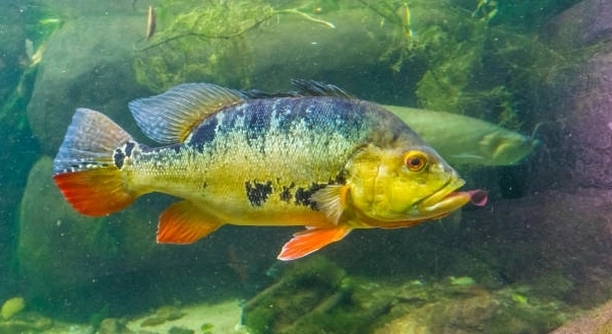
Do you ever find yourself setting up a cichlid tank and wondering what type of substrate will work best for them?
Sand substrate offers several key benefits for cichlids, including natural digging behavior support, improved water clarity, easier maintenance, and a more realistic aquatic environment that mirrors their native habitat.
From encouraging healthy behavior to simplifying tank care, using sand can make a noticeable difference in your aquarium’s overall success.
Encourages Natural Digging Behavior
Cichlids are known for their instinct to dig, especially species like African and South American cichlids. In their natural environment, they constantly shift sand to create nests, find food, or mark their territory. A sand substrate lets them continue this behavior without harming themselves. Gravel can be too rough on their delicate mouths and gills, making sand the safer and more comfortable option. Watching them interact with the sand also gives insight into their mood and health. When they stop digging, it might signal stress or illness. Sand also compacts easily, which prevents food or waste from sinking deep and causing buildup. It makes cleaning easier and helps maintain a stable environment. Plus, the way cichlids move and rearrange sand can be both practical and fascinating. They create natural-looking pits and ridges that give your tank character. Over time, these subtle changes become part of the tank’s rhythm.
Sand supports healthy, active behavior and reduces physical stress, keeping your cichlids both safe and stimulated.
Seeing your fish dig, shift, and build gives your tank more life and keeps your cichlids feeling at home. It’s a simple setup change with real benefits.
Easier to Clean and Maintain
Sand settles more evenly than gravel, which prevents waste from falling between gaps and building up out of sight.
Since waste stays on the surface of the sand, it’s much easier to remove during water changes. You can use a siphon to hover just above the sand, pulling up debris without disturbing the substrate too much. This means your tank stays cleaner with less effort. Gravel often allows food and waste to sink between the stones, leading to bacterial buildup and unwanted spikes in ammonia or nitrite levels. With sand, you’re less likely to run into those hidden messes. It’s also less likely to clog filters, as particles remain accessible and easy to remove. You can maintain a healthier balance in your aquarium, and over time, this leads to fewer problems. Your water stays clearer, your filter runs more smoothly, and your fish live in a cleaner, more stable setup.
Safer for Bottom-Dwelling Species
Many bottom-dwelling cichlids, like Geophagus or Eartheaters, sift through the substrate as part of their daily behavior. Sand is soft and gentle on their mouths and gills, which lowers the risk of injury or irritation.
These species often take in sand to filter out small food particles before expelling the rest. A rough or sharp substrate can damage their sensitive mouthparts, leading to infections or discomfort. With sand, they can safely perform this feeding behavior without harm. It also reduces the chance of them accidentally ingesting large, harmful particles. In a tank with gravel, they might try to sift it anyway, putting themselves at risk. Sand supports their natural movements and gives them the comfort they need to stay active and healthy. It’s also less abrasive on their underbellies, which can help prevent scratches and irritation. A smooth substrate makes a noticeable difference for fish that spend time on the bottom.
Sand also supports better hygiene for bottom dwellers. Waste and uneaten food stay visible on the surface, making it easier to clean. This helps prevent the growth of harmful bacteria near their resting spots. Over time, this leads to fewer health issues and a cleaner habitat for the fish that need it most.
Promotes Better Water Quality
Sand plays a role in maintaining stable water conditions, especially in tanks with high bio-load. Because debris doesn’t sink deep, it’s easier to remove, which helps keep ammonia and nitrite levels low over time.
Cleaner substrate directly supports overall water quality. When organic waste lingers too long, it starts to break down and release harmful substances into the water. Sand allows for more efficient removal of waste before this happens. Since it’s easier to clean, it also encourages more frequent maintenance. You’re less likely to skip cleaning sessions when the process is faster and simpler. Sand also compacts tightly, leaving fewer pockets for anaerobic bacteria to grow. These bacteria can release toxic gases like hydrogen sulfide if they form in large amounts. Keeping the substrate thin and stirring it occasionally helps prevent this. With proper care, sand can become a useful part of your water management routine.
Enhances Aesthetic Appeal
Sand gives the tank a natural, smooth look that highlights the cichlids’ colors and movements. It mimics the riverbeds and lake bottoms where many cichlids live, helping the tank feel more realistic and balanced.
Lighter-colored sand also reflects light, making the aquarium appear brighter. This can enhance visibility and improve the overall atmosphere of your setup without overwhelming the fish or the decor.
Provides Better Plant Support
While cichlids aren’t known for being plant-friendly, some aquarists still manage to keep hardy plants with them. Sand allows for easier rooting, especially for low-maintenance plants like Vallisneria or Anubias. When placed properly, these plants can anchor better in sand than in coarse gravel. This helps stabilize the layout and offers hiding spots or barriers within the tank. It’s important to use root tabs or other nutrient sources if growing plants in sand, since sand itself holds very few nutrients. A thin layer of sand over enriched soil or using plant-specific supplements can make it work well even with demanding plants.
Reduces Stress in Fish
The soft texture and natural appearance of sand can make the environment feel safer and more comfortable. This can reduce stress levels in cichlids, leading to better health and more stable behavior over time.
FAQ
What type of sand is best for cichlids?
The best sand for cichlids is natural, fine-grain sand that is safe and inert. Avoid silica sand that can compact too tightly or colored sand with harmful dyes. Play sand or aquarium-specific sand designed for freshwater tanks usually works well. It should be free of sharp edges to prevent injury to your fish. Washed and rinsed sand is important to remove dust and impurities that can cloud the water or affect pH levels. Some cichlids prefer slightly alkaline substrates, so crushed coral mixed with sand is an option to help buffer the water. However, most standard natural sand is safe and effective for a wide range of cichlid species.
How deep should the sand substrate be?
A depth of 1 to 2 inches is generally enough for most cichlid tanks. This allows enough space for digging and burrowing while preventing excessive compaction. Deeper sand layers may cause anaerobic zones, which can release harmful gases and affect water quality. If you have bottom-dwelling species that sift through the sand, aim for closer to 2 inches. For tanks with plants or less active diggers, 1 inch is usually sufficient. It’s easier to clean and maintain a shallower substrate as well.
Can sand cause any problems in a cichlid tank?
Sand can cause issues if it compacts too much or if harmful bacteria build up underneath. Without proper cleaning and occasional stirring, anaerobic pockets can form, releasing toxins like hydrogen sulfide. This is why regular maintenance is important. Also, fine sand can be accidentally sucked up by filters if the intake is too close to the substrate. Using a guard or sponge cover can prevent this. Some cichlids may also uproot plants or rearrange the sand aggressively, which could disturb the tank setup. Overall, sand is safe but requires consistent care.
Is sand harder to clean than gravel?
Sand is actually easier to clean on the surface because debris stays on top rather than sinking through gaps. Using a siphon just above the sand surface removes waste effectively. However, sand requires more careful cleaning to avoid stirring up dust that clouds the water. It’s best to vacuum slowly and avoid digging deep unless necessary. Gravel needs deeper cleaning between the stones to prevent hidden buildup, which can be more time-consuming. Sand offers a simpler, quicker cleaning routine if done correctly.
Will sand affect water parameters?
Most inert sands don’t significantly change water parameters like pH or hardness. However, some specialty sands, like those containing crushed coral or aragonite, can raise pH and buffer the water. This can benefit certain cichlids from alkaline habitats like African rift lakes. Natural play sand or silica sand generally won’t affect water chemistry much. It’s important to test your water regularly when introducing new substrate. Rinsing the sand thoroughly before use also helps prevent dust and mineral leaching that could alter water quality.
How do I prevent sand from compacting too much?
Lightly stirring the sand occasionally with your hand or a tank tool helps prevent compaction. Compact sand blocks water flow and can create anaerobic zones, harmful to fish. Avoid using too deep a layer, as that encourages packing. Adding some small, smooth rocks or pieces of driftwood can create spaces in the substrate for better circulation. Some aquarists also keep bottom-dwelling fish that naturally move the sand, which helps aerate it. Regular maintenance and gentle cleaning prevent compacted sand from becoming a problem.
Can I mix sand with gravel?
Mixing sand and gravel is possible but generally not recommended for cichlid tanks. The two substrates have very different textures and densities, which can lead to uneven settling and debris buildup. Gravel allows waste to fall through gaps, while sand keeps it on top. Mixing can also confuse fish that dig or sift, causing them stress. If you want varied substrate, it’s better to create separate zones or layers with clear boundaries. Pure sand substrates are easier to maintain and better suited for cichlid behavior.
How often should I clean sand substrate?
Regular cleaning depends on your tank size and fish load, but generally once every 1-2 weeks works well. Frequent surface siphoning removes waste before it breaks down. Avoid deep cleaning unless necessary, as this disturbs beneficial bacteria. In heavily stocked tanks, you might clean more often. Less crowded tanks with good filtration can go longer between cleanings. Pay attention to water clarity and fish behavior—cloudy water or stressed fish can indicate substrate issues. Routine cleaning keeps the tank healthy and the sand looking good.
Does sand affect fish health?
Sand generally supports better fish health by reducing mouth and body injuries and encouraging natural behavior. Sharp gravel or rough substrates can cause cuts and stress. Clean sand also lowers the risk of harmful bacterial buildup by making waste removal easier. However, poor maintenance of sand can lead to bad water conditions, which harm fish. Keeping the sand clean and aerated ensures a safe environment. Many cichlid keepers report healthier, more active fish with sand substrates compared to gravel.
Can sand be used in breeding tanks?
Sand is ideal for breeding cichlids because it allows them to dig nests and create spawning pits naturally. It mimics their preferred natural environment and helps reduce stress during breeding. Some species lay eggs directly on sand, and it provides a soft surface for fry. Clean sand is important to prevent fungal infections in eggs. If you plan to breed cichlids, using sand can improve success rates and support natural behaviors. It also makes it easier to separate and care for fry by creating defined areas within the tank.
Choosing the right substrate for your cichlid tank is important for the health and happiness of your fish. Sand offers several advantages that make it a good choice for many cichlid species. It supports natural behaviors like digging and sifting, which helps keep your fish active and comfortable. Unlike gravel, sand is gentle on their mouths and bodies, reducing the risk of injury. It also makes the tank look more natural, resembling the riverbeds and lake bottoms where many cichlids come from.
Maintaining sand is generally easier in some ways than gravel because waste stays on the surface, making cleaning faster and more efficient. With regular care, sand helps keep the water cleaner and more stable by preventing buildup under the substrate. However, it’s important to clean sand carefully to avoid stirring up dust or creating compacted areas that can harm the tank’s water quality. Keeping the sand loose and performing routine siphoning will ensure a healthy environment for your cichlids.
Overall, using sand as a substrate creates a safer and more comfortable home for your cichlids. It supports their natural instincts, promotes better water quality, and improves the look of your aquarium. While it does require some attention to maintenance, the benefits often outweigh the extra effort. Whether you are a beginner or have experience with cichlids, sand substrate can make a positive difference in your aquarium setup. It helps your fish feel more at home and makes tank care easier for you.

Hello,
If you enjoy the content that we create, please consider saying a "Thank You!" by leaving a tip.
Every little bit helps us continue crafting quality advice that supports the health, happiness, and well-being of pets around the world, for pets of all shapes, sizes, and species.
We really appreciate the kindness and support that you show us!