
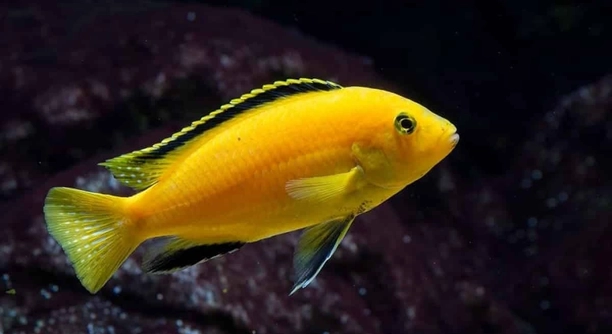
Caring for cichlids means paying close attention to their water quality. Proper testing helps keep their environment healthy and stable. This guide shares simple tips to make water testing easier and more effective for your tank.
Water testing in cichlid tanks is essential to maintain optimal water parameters such as pH, ammonia, nitrite, and nitrate levels. Regular and accurate testing ensures a balanced environment, preventing stress and disease in these sensitive fish species.
Knowing the right testing techniques can make a big difference in your tank’s health. These tips will help you keep your cichlids comfortable and thriving with minimal hassle.
Testing Frequency Matters
Testing your cichlid tank water regularly is one of the most important habits you can develop. Water conditions can change quickly, especially in smaller tanks or new setups. Weekly tests are a good starting point, but more frequent checks might be necessary during tank cycling or if you notice any signs of stress in your fish. Keeping track of results helps you catch problems early before they become serious. It’s useful to keep a simple log of test results to see trends over time. This practice makes it easier to adjust water treatments and maintenance schedules. Remember, consistent monitoring supports a stable and healthy environment for your cichlids, which means they can live longer and stay vibrant.
Testing twice a week during critical periods helps catch issues before they escalate. Consistency is key to healthy water.
Making testing a routine prevents sudden water quality drops. Early detection of changes in ammonia or pH can save your fish from harm. When you spot a shift, taking action quickly can mean the difference between a minor fix and a major problem. Always keep test kits handy and ready for use to avoid delays. Using test strips or liquid kits both work well, but ensure they are reliable and within expiration dates. Regular maintenance combined with frequent testing creates a safer space for your cichlids to thrive.
Choosing the Right Test Kit
Choosing an accurate test kit is crucial for reliable water readings. Not all kits measure the full range of parameters needed for cichlids. It’s best to select one that tests ammonia, nitrite, nitrate, and pH, as these have the most impact on their health.
A good test kit will provide clear, easy-to-read results without too many complicated steps.
There are many types of test kits available, from strips to liquid reagents. Liquid kits tend to offer more precise results, which is helpful for spotting subtle changes in water quality. Test strips are faster but may be less accurate. Consider investing in a quality liquid test kit if you want detailed and trustworthy readings. Also, look for kits that include a color chart with clear distinctions to avoid misinterpretation. Remember to store your kits properly, away from moisture and sunlight, to maintain their accuracy over time. This small effort improves your ability to care for your fish effectively.
Understanding pH Levels
pH levels affect cichlids’ health and behavior. Most cichlids prefer a stable pH between 7.5 and 8.5.
Maintaining a stable pH is essential because sudden changes can stress your fish and make them vulnerable to disease. Use buffering agents or substrates designed for cichlids to help keep pH steady. Regularly testing pH lets you spot shifts before they cause harm. Avoid making large pH changes all at once, as this can shock your fish. Gradual adjustments over several days are safer and more effective. Understanding the right pH range for your specific cichlid species helps you provide the best care.
If the pH is off, it can affect how your fish process nutrients and fight infections. Testing and adjusting pH regularly helps create a stable environment, which encourages healthy growth and vibrant colors. Using natural materials like crushed coral in your substrate can support pH balance. Always test pH after water changes to catch any unexpected shifts early. Keeping track of your water chemistry makes tank management easier and helps you anticipate potential issues.
Keeping Ammonia and Nitrite at Zero
Ammonia and nitrite are toxic to cichlids and must be kept at zero.
Both compounds come from fish waste and decomposing organic material. Regular testing ensures these harmful substances don’t build up in your tank. If ammonia or nitrite levels rise, immediate water changes and proper filtration are necessary to protect your fish. Cycling a new tank properly before adding fish helps establish beneficial bacteria that break down these toxins. Using a reliable test kit lets you monitor these chemicals closely. If spikes occur, reduce feeding and increase water changes until levels stabilize. Keeping ammonia and nitrite at zero is a basic but crucial step for maintaining a healthy cichlid tank.
Monitoring Nitrate Levels
Nitrate is less toxic than ammonia but can still harm cichlids if it builds up. Keep nitrate levels below 40 ppm for a healthy tank.
Regular water changes help keep nitrate low. Overfeeding can increase nitrate, so feed your fish sparingly to avoid waste buildup.
Using Fresh Water for Testing
Always use fresh, clean water when calibrating or testing your equipment. Contaminated water can lead to inaccurate results and poor tank management.
Using distilled or dechlorinated water ensures tests measure only the tank’s water parameters, not outside contaminants.
Temperature Checks
Temperature impacts water chemistry and fish health. Keep the tank between 75°F and 82°F depending on your cichlid species.
Consistent temperature helps maintain stable water conditions and prevents stress or illness in your fish. Use a reliable thermometer to monitor daily.
FAQ
How often should I test water in a cichlid tank?
Testing at least once a week is recommended for most established tanks. During new setups or after adding fish, test more frequently—about twice a week or even daily—to catch any harmful spikes in ammonia, nitrite, or pH. Consistency helps keep your tank stable and your cichlids healthy.
What are the most important water parameters to test?
The key parameters include ammonia, nitrite, nitrate, pH, and temperature. Ammonia and nitrite should always be zero, while nitrate should be kept below 40 ppm. pH should match the species’ preference, usually between 7.5 and 8.5 for most cichlids. Temperature affects all these factors, so keep it steady.
Can I rely on test strips or should I use liquid kits?
Test strips are quick and easy but sometimes less accurate. Liquid kits tend to provide more precise readings, especially for ammonia and nitrite. For the best results, invest in a reliable liquid test kit, especially if you’re dealing with sensitive cichlids or troubleshooting water issues.
Why do my test results keep changing?
Water parameters naturally fluctuate, but big swings usually signal an underlying problem. Overfeeding, infrequent water changes, or an uncycled tank can cause unstable results. Check your tank maintenance habits and filtration system. Keeping a log of test results helps identify patterns or problems early.
How can I lower high nitrate levels?
Perform regular partial water changes, about 20-30% weekly, to reduce nitrate buildup. Avoid overfeeding your fish, as excess food increases waste. Adding live plants can also help absorb nitrates naturally. Make sure your filter is working properly and clean it as needed to maintain good water flow.
Is it necessary to test for hardness in a cichlid tank?
Water hardness affects pH stability and fish health. Most cichlids prefer moderate to hard water. While not always essential, testing general hardness (GH) and carbonate hardness (KH) can help you maintain a stable environment and adjust your water chemistry if needed.
What should I do if my pH suddenly drops or rises?
Avoid sudden large pH changes, as these stress fish. Gradually adjust pH using buffers or substrates designed for cichlids. If a sudden shift happens, perform partial water changes to dilute the change, and check for possible causes like decaying plants or tap water variations.
How does temperature affect water testing results?
Temperature influences chemical reactions and fish metabolism. High temperatures can increase ammonia toxicity. Keep temperature stable to get accurate test results and reduce fish stress. Use a reliable aquarium heater and thermometer to maintain consistent temperature within the species’ preferred range.
Can I test water immediately after a water change?
Wait a few hours after a water change before testing to allow the tank to stabilize. Testing immediately may give misleading results because new water may not have mixed fully with tank water or the fish’s biological processes may not have adjusted yet.
What if my test kit shows unexpected results?
Check if your test kit is expired or stored incorrectly. Always follow instructions carefully. Rinse test containers between uses to avoid contamination. If results still seem off, try a different brand or type of test kit to verify. When in doubt, consider consulting an aquarium professional.
Final Thoughts
Maintaining good water quality in a cichlid tank is essential for keeping your fish healthy and happy. Regular water testing is one of the most effective ways to achieve this. By monitoring key parameters like pH, ammonia, nitrite, and nitrate, you can catch any changes early and take action before they harm your fish. Keeping these levels stable helps prevent stress, disease, and other common problems in cichlid tanks. A stable environment also allows your fish to show their natural colors and behavior, making your tank more enjoyable to watch.
Using the right tools and testing often will give you a clearer picture of your tank’s health. Whether you choose liquid test kits or test strips, make sure they are accurate and easy to use. Regular testing, combined with good tank maintenance like partial water changes and proper feeding, will keep your water conditions balanced. Understanding how different factors like temperature and hardness affect your tank can also help you create the best environment for your cichlids. Keeping a simple log of your test results over time is a useful way to spot trends and stay ahead of potential problems.
Water testing might seem like an extra chore, but it is one of the best investments you can make in your cichlid tank’s success. It provides peace of mind knowing you are doing everything possible to care for your fish. Small steps like testing frequently and keeping your water parameters in check add up to a healthier, more stable tank. This simple attention to detail will give your cichlids a better life and make your aquarium a more beautiful and rewarding place to enjoy.

Hello,
If you enjoy the content that we create, please consider saying a "Thank You!" by leaving a tip.
Every little bit helps us continue crafting quality advice that supports the health, happiness, and well-being of pets around the world, for pets of all shapes, sizes, and species.
We really appreciate the kindness and support that you show us!