
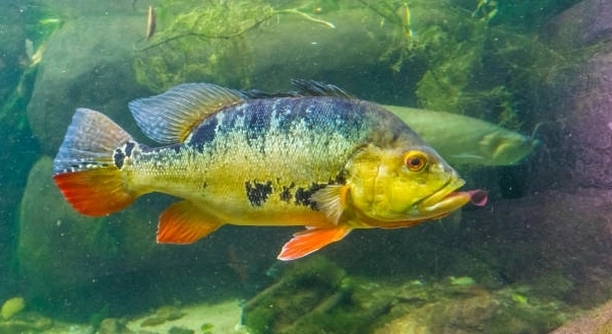
African cichlids are popular fish known for their vibrant colors and interesting behaviors. Many keepers enjoy watching their interactions in home aquariums. These fish often form pairs, leading to questions about their social and emotional lives.
African cichlids do not experience loneliness as humans do. Their behavior after losing a mate is mostly driven by instinct rather than emotion. Scientific studies show their reactions focus on survival and territory rather than emotional attachment.
Learning how cichlids respond to loss helps improve how we care for them. Understanding their needs supports healthier and more balanced aquarium environments.
Understanding African Cichlids’ Social Behavior
African cichlids are known for their complex social interactions, but their behavior is largely driven by survival instincts. They establish territories and form breeding pairs, but their social bonds do not resemble human emotions. When a mate is lost, the surviving fish usually focuses on protecting its territory or finding a new partner rather than showing signs of sadness. These fish communicate through body language, color changes, and sometimes sound, which help maintain order in their groups. Their behavior changes quickly after losing a mate, often shifting to defensive or exploratory actions. This suggests that their primary concern is safety and reproduction, not emotional attachment. Watching these changes can give insight into their natural habits, helping aquarium owners provide better care. It is important to remember that cichlids’ responses are instinctive, not emotional, which is a key point for anyone interested in their wellbeing.
Many keepers notice these behavioral shifts, especially in breeding tanks where pairs are common.
Recognizing that cichlids respond instinctively after losing a mate helps reduce misinterpretations of their behavior. They adjust to changes quickly, focusing on survival needs. This understanding encourages providing a stable environment, like maintaining proper water conditions and minimizing stress, to support their health during transitions. Adding new companions carefully can help maintain social balance without overwhelming them.
How to Support Cichlids After Losing a Mate
After a mate is lost, it’s important to keep the environment stable and stress-free for the surviving cichlid.
Maintaining water quality is critical because stress can weaken their immune system. Make sure the tank is clean, and monitor parameters like temperature and pH regularly. Avoid sudden changes or introducing aggressive fish that might increase stress. If the surviving cichlid seems lonely, it may benefit from a new compatible partner or community fish that suits its species. However, introducing new fish should be done cautiously to prevent territorial fights. Providing plenty of hiding spaces and visual barriers can help reduce conflict. Feeding a balanced diet also supports their recovery and overall health. Observing their behavior closely during this time is key to ensuring they adjust well and remain active and healthy.
Signs of Stress in African Cichlids
Stress in African cichlids often shows through changes in behavior and appearance. They may become less active, hide more, or lose their vibrant colors. Loss of appetite and erratic swimming are also common signs.
Recognizing stress early helps prevent serious health problems. When a cichlid loses its mate, stress can increase, making the fish more vulnerable to diseases. Stress weakens their immune system, so keeping the environment calm is essential. Regular water changes, stable temperatures, and a quiet tank help reduce stress. Observing your cichlid’s daily habits can show if it is coping well or struggling. Addressing stress quickly improves recovery chances.
Stress can also cause aggression or territorial fights in cichlids. If you notice increased aggression after mate loss, consider rearranging the tank or adding hiding spots to help reduce conflict and maintain peace.
Introducing New Tank Mates After Loss
Introducing new tank mates requires care to avoid further stress. It’s best to select species with similar temperaments and sizes to your cichlids. Avoid overly aggressive or much larger fish.
A slow and gradual introduction helps fish get used to each other without sudden confrontations. Use a divider at first or introduce the new fish during feeding times to distract attention. Watch closely for signs of bullying or stress. If aggression occurs, separate the fish immediately. Giving your cichlid time to adjust before adding new companions makes a big difference in maintaining a peaceful environment and supporting the wellbeing of all tank inhabitants.
Common Mistakes After Losing a Mate
Many aquarium owners rush to add new fish too soon after a mate’s loss. This can increase stress and lead to fights.
Another mistake is neglecting water quality, which weakens the surviving cichlid’s health. Consistent tank care is vital.
Maintaining a Healthy Environment
Keeping the tank clean and stable supports cichlid recovery. Regular water changes, proper filtration, and monitoring parameters like pH and temperature help keep stress low. Avoid overcrowding and provide hiding spaces to reduce tension among fish. A calm environment encourages natural behavior and faster adjustment after losing a mate.
Feeding Tips for Recovering Cichlids
Offer high-quality, nutritious food to support your cichlid’s health during stressful times. Balanced diets boost their immune system and energy levels.
FAQ
Can African cichlids recognize their mates?
African cichlids do not recognize mates in a way humans understand. Their pairing is mainly for reproduction and territory defense. Once a mate is lost, their behavior changes quickly, focusing on survival rather than bonding or memory of the partner. Their interactions are instinctive and driven by environmental cues.
How long does it take for a cichlid to adjust after losing a mate?
Adjustment time varies, but typically cichlids begin to settle within a few days to a week. They shift their focus to territory or finding a new mate if conditions allow. Providing a stable environment can speed up recovery and reduce stress during this period.
Will a cichlid become aggressive after losing a mate?
Aggression can increase because the fish may feel vulnerable or need to defend its territory more fiercely. This behavior is natural and linked to survival instincts, not emotional distress. Adding hiding spots and reducing tank overcrowding can help manage aggression.
Is it necessary to add a new mate right away?
It’s best to wait before introducing a new mate. Sudden changes can increase stress and provoke fights. Give your cichlid time to adjust and ensure water conditions are stable. Introduce new fish gradually to avoid conflicts.
Can cichlids feel loneliness?
Cichlids don’t feel loneliness as humans do. Their social behavior is based on instincts rather than emotional attachment. While they do form pairs, their reactions after losing a mate focus on survival, not emotional loss.
What are signs that a cichlid is not coping well after mate loss?
Signs include loss of appetite, hiding excessively, faded colors, and lethargy. These behaviors indicate stress or illness. Prompt action to improve water quality and reduce stress is important to prevent health problems.
How can I help my cichlid cope better after losing a mate?
Maintain excellent water quality, provide hiding places, keep a calm environment, and avoid sudden changes. Feeding high-quality food supports their immune system. Watching their behavior closely allows for timely interventions if stress signs appear.
Can other fish help a cichlid recover emotionally?
While cichlids do not have emotions like humans, adding compatible tank mates can reduce boredom and encourage natural social behavior. Choose species carefully to avoid aggression and maintain a balanced tank environment.
Are there specific foods that help stressed cichlids?
Foods rich in vitamins and proteins help boost immune response. High-quality pellets, frozen or live foods like brine shrimp or bloodworms, provide necessary nutrients to aid recovery during stressful times.
What should I avoid doing after my cichlid loses a mate?
Avoid overcrowding, sudden tank changes, and aggressive fish introductions. Do not ignore water quality or skip feeding. These mistakes can worsen stress and lead to illness or death. Careful observation and patience are key during recovery.
Is it normal for a cichlid to change color after losing a mate?
Yes, color fading or dulling is common and usually a sign of stress. It can improve once the fish adjusts and conditions stabilize. If colors do not return, check water quality and diet to rule out health problems.
How important is tank setup after a mate loss?
Tank setup is very important. Providing adequate space, hiding spots, and clear territories reduces stress and aggression. A well-organized tank helps your cichlid feel secure and supports its natural behavior during adjustment.
African cichlids are fascinating fish with unique behaviors that can sometimes be misunderstood. When they lose a mate, it might seem like they feel lonely or sad, but their reactions are mostly based on instincts. These fish focus on protecting themselves, their territory, and sometimes finding a new mate. They do not experience emotions like humans, so it is important to keep this in mind when caring for them. Understanding their natural behavior helps us provide better care and create an environment where they can thrive even after losing a companion.
Taking care of a cichlid after the loss of a mate means paying close attention to their environment and health. Keeping the tank clean and stable is very important to reduce stress. Changes in water quality, temperature, or tank mates can make the fish more vulnerable to illness. Providing plenty of hiding spaces can also help the surviving cichlid feel safe and less stressed. It is best to avoid rushing to add new fish, as sudden introductions can increase aggression and cause more problems. Instead, giving your cichlid time to adjust and watching for signs of stress will lead to better outcomes.
In the end, caring for African cichlids requires patience and observation. While they may not feel loneliness as humans do, they do need a stable and peaceful environment to stay healthy. Feeding them nutritious food and maintaining good water conditions are key parts of supporting their wellbeing. Watching how your cichlid behaves after losing a mate can teach you a lot about their needs and help you make decisions that improve their quality of life. With proper care, your cichlids can continue to live active, healthy lives even when faced with changes in their social environment.

Hello,
If you enjoy the content that we create, please consider saying a "Thank You!" by leaving a tip.
Every little bit helps us continue crafting quality advice that supports the health, happiness, and well-being of pets around the world, for pets of all shapes, sizes, and species.
We really appreciate the kindness and support that you show us!