
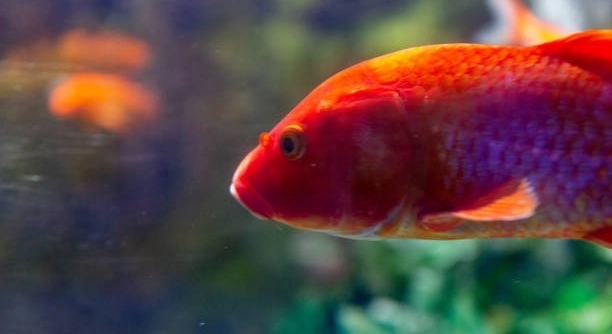
African cichlids are colorful freshwater fish popular among aquarium enthusiasts. Photographing them well can be challenging due to their movement and vibrant colors. This article offers practical tips to improve your photos of these beautiful fish.
Successful photography of African cichlids requires understanding their behavior, controlling lighting, and using proper camera settings. Attention to these factors results in clear, sharp, and well-exposed images that highlight their unique patterns and colors.
Mastering these tips will enhance your ability to capture the natural beauty of African cichlids. The following advice aims to make photographing these fish easier and more rewarding.
Understand Your African Cichlids’ Behavior
African cichlids are active and curious fish. They often swim quickly around the tank, which makes capturing clear photos a challenge. Watching them carefully helps you predict their movements and catch the best moments. Some cichlids are shy and hide among plants or rocks, while others are more outgoing and swim openly. Knowing when your fish are calm or active will improve your chances of taking sharp pictures. Also, photographing them during feeding time can make them come closer to the front of the tank. Patience is important because rushing often results in blurry or poorly framed shots. A steady hand or a tripod can help stabilize your camera. Taking multiple photos increases the likelihood of getting a great one. Keep your camera ready and be prepared to adapt quickly to your fish’s behavior to get the best shots possible.
Observing your cichlids’ natural behavior helps create better photos. Patience and timing are key.
Using these observations, you can plan your shots for clearer and more interesting images. This approach also helps highlight the fish’s unique personality and movement patterns, making each photo more engaging. Practice watching them regularly to become more familiar with their habits. It will improve both your photography and your understanding of the fish’s needs. With time, this will lead to consistently better results. A calm and prepared approach will make photographing African cichlids less stressful and more enjoyable.
Control Lighting for Clear Images
Proper lighting is essential to capture the vibrant colors of African cichlids. Natural or aquarium lighting can affect how the colors appear in your photos. Avoid using your camera’s flash directly on the tank, as it can cause glare and stress the fish. Instead, use soft, diffused light to bring out the rich tones without harsh reflections. Position your light source at an angle to reduce glare and shadows on the glass. If possible, photograph during the day using natural light from a nearby window. You can also use LED aquarium lights designed to enhance fish colors. Experiment with different lighting setups to find the best effect for your tank and camera. Balanced lighting ensures your photos show the true beauty of your cichlids.
Good lighting makes your photos sharper and more colorful.
Adjusting light angles and using diffused sources help reduce glare and reflections on the aquarium glass. This allows for clearer images without distractions. Consistent lighting also improves focus and color accuracy. Learning how to manage light properly will improve all your aquarium photography. It also helps protect your fish by avoiding bright flashes that may cause stress. Taking time to set up lighting carefully results in images that truly showcase your cichlids’ vivid patterns and lively personalities. Lighting control is one of the most important steps in getting professional-looking photos at home.
Use the Right Camera Settings
A fast shutter speed is necessary to capture quick movements without blur. Set your camera to at least 1/250 second or faster. Using a higher ISO can help maintain proper exposure but avoid going too high to reduce noise.
Choosing the correct aperture affects how much of the fish and tank are in focus. A wider aperture (smaller f-number) lets in more light but has a shallow depth of field, making the background blurry. A smaller aperture increases depth but needs more light or slower shutter speed. Adjust these settings to balance sharpness and lighting. Use continuous or burst mode to take several shots quickly and increase your chances of capturing the perfect moment.
Manual focus can help if your camera struggles with autofocus through glass. Try focusing on the fish’s eye for the sharpest result. If possible, use a tripod or steady surface to reduce camera shake. These adjustments improve image clarity and overall quality.
Clean the Aquarium Glass
Dirty glass creates spots and blurs that ruin photos. Clean both inside and outside surfaces before shooting. Use a soft cloth and aquarium-safe cleaner for the inside. Avoid harsh chemicals that can harm fish.
Cleaning the glass removes algae, water spots, and fingerprints. This allows the camera to focus better on your cichlids and not on distractions. Regular cleaning keeps the tank looking good for both photos and viewing. It also improves light passage, making your images brighter and clearer. A clean tank helps your fish stand out and makes your photos more professional. Consistent maintenance of the glass is a simple step with a big impact on photo quality.
Get Close but Not Too Close
Getting close to the fish helps capture details without distractions. Use a zoom lens or move your camera gently to avoid startling the cichlids.
Avoid pressing the lens directly against the glass. This can cause distortion and reflections, reducing image quality.
Use a Neutral Background
A simple, uncluttered background draws attention to your cichlids. Remove excess decorations or use a plain backdrop behind the tank to avoid distractions in your photos.
Neutral backgrounds highlight the fish’s colors and patterns better, making your images cleaner and more focused.
Avoid Reflections and Glare
Reflections on the glass can ruin photos. Position your camera at an angle or use a lens hood to minimize glare. Wearing dark clothing also helps reduce reflections in the tank.
Keep Your Camera Steady
A steady camera prevents blurry images. Use a tripod or place your camera on a stable surface when possible. This reduces camera shake, especially in low light.
FAQ
What is the best time of day to photograph African cichlids?
The best time is usually during daylight hours when natural light is available. Morning or late afternoon light tends to be softer and creates fewer harsh reflections on the glass. Avoid photographing at night unless you have good aquarium lighting that doesn’t stress the fish.
How can I reduce glare when photographing through aquarium glass?
To reduce glare, position your camera at an angle instead of straight on. Using a lens hood or a polarizing filter can also help cut down reflections. Wearing dark clothing prevents your reflection from showing in the glass.
Should I use flash when photographing African cichlids?
Using a camera flash directly on the tank is not recommended. It can cause harsh reflections on the glass and may stress the fish. Instead, rely on natural light or soft, diffused aquarium lighting to illuminate your subjects.
What camera settings work best for shooting fish?
A fast shutter speed, like 1/250 second or faster, helps freeze movement. Use a moderate ISO to balance exposure and noise levels. Aperture depends on your goal: a wider aperture for blurred background or smaller for more depth of field. Continuous shooting mode helps capture quick moments.
How can I keep the fish calm while photographing?
Photographing during feeding time or when the fish are used to your presence helps. Avoid sudden movements or tapping on the glass, as this can stress or scare them. Patience is key to waiting for the right moment when they swim calmly.
What lens should I use for photographing African cichlids?
A macro or zoom lens with a focal length between 50mm and 100mm works well. This lets you get close without disturbing the fish and captures details clearly. Avoid wide-angle lenses as they can cause distortion when shooting through glass.
Is it better to use autofocus or manual focus?
Manual focus is often more reliable for aquarium photography because autofocus can struggle with glass reflections and movement. Focus on the fish’s eye for the sharpest and most engaging image. If your camera handles autofocus well, you can try using continuous autofocus mode.
How do I handle low light conditions?
Increase your ISO moderately to allow faster shutter speeds without underexposing. Use a tripod to stabilize your camera if you need longer exposures. Adding more aquarium lighting or using soft external light sources can also help brighten your scene.
Why are some photos blurry even with fast shutter speeds?
Blurriness can come from camera shake, slow autofocus, or the fish moving too quickly. Using a tripod and manual focus can reduce blur. Also, take many shots to increase the chance of a clear photo, and be patient with the fish’s unpredictable movements.
Can I edit my photos after shooting?
Yes, basic editing like adjusting brightness, contrast, and sharpness can improve your images. Avoid over-editing, as it can make the photos look unnatural. Cropping can help remove distractions and focus on your subject.
How often should I clean my aquarium glass for photography?
Clean the glass before each photography session. Algae, water spots, and fingerprints can spoil your photos. Use an aquarium-safe cleaner for the inside and a soft cloth for the outside. Regular cleaning also keeps your tank healthy for the fish.
What should I avoid when photographing African cichlids?
Avoid using flash, tapping on the glass, or sudden movements that can stress the fish. Don’t press the lens against the glass to prevent distortion. Also, avoid cluttered backgrounds that distract from the fish’s colors and details.
Is it okay to use a smartphone for photographing African cichlids?
Smartphones can take good photos with the right conditions. Use natural light, clean glass, and steady your phone to reduce blur. Some smartphones have macro modes or manual settings, which help capture details better. Consider using an external lens attachment for improved quality.
How do I capture the true colors of African cichlids?
Use natural or aquarium lighting that enhances colors without washing them out. Avoid strong flash and balance white settings on your camera to match the light source. Shooting in RAW format gives more flexibility to correct colors during editing.
Can I photograph African cichlids in a community tank?
Yes, but it can be more challenging. Other fish may move unpredictably or block your view. Focus on one fish at a time and be patient. A clean, simple background helps your subject stand out even in a busy tank.
How close should I get to the aquarium glass?
Keep a small distance to avoid reflections and distortion but close enough to fill the frame with your subject. Using a zoom lens helps maintain distance while capturing details. Avoid touching the glass with your lens to prevent smudges.
These answers aim to help you improve your African cichlid photography through practical and simple advice. With practice and care, you will capture beautiful, clear images that highlight the unique qualities of your fish.
African cichlids are fascinating fish with vibrant colors and interesting behaviors. Photographing them well takes some effort, but the results can be very rewarding. By paying attention to their movements and behavior, you can capture moments that show their true character. Understanding when they are calm or active will help you decide the best time to take photos. Patience is important because these fish move quickly and unpredictably. Taking many shots increases your chances of getting clear and sharp images.
Lighting plays a crucial role in aquarium photography. Using natural or soft aquarium lighting helps bring out the vivid colors of the cichlids without creating harsh reflections or glare on the glass. Avoiding direct flash prevents stress to the fish and unwanted glare in your photos. Experimenting with different light angles can make a big difference in how your images look. Keeping the glass clean also improves the quality of your shots by reducing spots or blurs. A steady camera, whether handheld carefully or placed on a tripod, will help avoid blurry photos caused by movement.
Camera settings are another important aspect to consider. A fast shutter speed helps freeze the fish’s movement, while adjusting the aperture controls how much of the image is in focus. Using manual focus can improve sharpness, especially when shooting through glass. Remember to avoid pressing the lens directly against the aquarium glass to prevent distortion. A simple background helps highlight your fish without distractions. Overall, with the right techniques and a bit of practice, you can capture stunning photos of your African cichlids that reflect their beauty and unique features.

Hello,
If you enjoy the content that we create, please consider saying a "Thank You!" by leaving a tip.
Every little bit helps us continue crafting quality advice that supports the health, happiness, and well-being of pets around the world, for pets of all shapes, sizes, and species.
We really appreciate the kindness and support that you show us!