
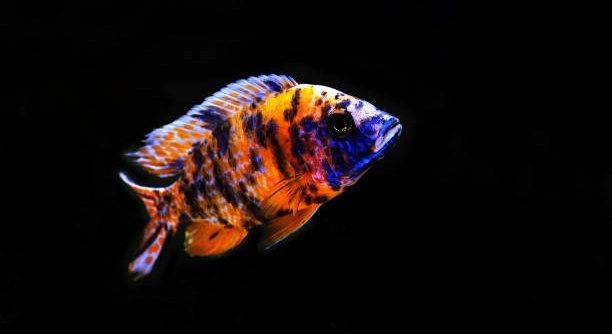
Are your cichlids showing signs of stress or poor water quality? Proper filtration is essential to keep their environment clean and healthy. Knowing when your tank’s filter is not enough can improve the wellbeing of your fish.
A tank that requires a bigger filter usually shows clear signs such as cloudy water, strong odors, excessive algae growth, or sluggish fish behavior. These indicators reveal that the current filtration system cannot handle the waste and bio-load efficiently. Upgrading the filter ensures better water circulation and a healthier habitat.
Identifying these signs early can prevent long-term damage and help maintain a stable environment for your cichlids to thrive.
Cloudy Water and Poor Clarity
Cloudy water is one of the most obvious signs that your cichlid tank needs a bigger filter. When the filter is not powerful enough, it cannot remove all the suspended particles and waste, causing the water to become murky. This affects not only the tank’s appearance but also the health of your fish. Cloudy water often means harmful bacteria and toxins are building up, which can lead to illness or stress. A bigger filter improves mechanical filtration, trapping more debris and keeping the water clear. It also enhances biological filtration by providing more surface area for beneficial bacteria to grow. These bacteria break down harmful substances like ammonia and nitrites, which are toxic to cichlids. Improving water clarity supports a healthier environment and reduces the risk of disease.
Water clarity directly reflects the filter’s efficiency and overall tank health.
Using a larger filter increases water flow and filtration capacity, which keeps the tank cleaner for longer. This results in better oxygen levels and a safer habitat for your cichlids to thrive in every day.
Excessive Algae Growth
Excessive algae growth is often linked to inadequate filtration. When the filter does not effectively remove organic waste, nutrients like nitrates build up in the water. These nutrients act as food for algae, causing it to grow rapidly and cover tank surfaces. Algae can block light, reduce oxygen levels, and make the tank look unclean. In some cases, algae overgrowth can harm fish by creating unstable water conditions. A bigger filter helps by removing more organic matter before it breaks down into nutrients that feed algae. It also improves water circulation, preventing dead spots where algae can accumulate. Addressing filtration issues reduces algae growth and keeps the tank balanced. Regular maintenance combined with a larger filter is key to managing algae and protecting your cichlids’ environment.
Fish Behavior Changes
When your cichlids become sluggish or hide more often, the filter might not be keeping the water quality high enough. Poor filtration causes stress, which affects their behavior.
Stress from poor water quality weakens fish immune systems, making them more prone to disease. If the filter cannot handle the waste load, toxins build up quickly, leading to discomfort and lethargy in your cichlids. You may notice less activity or unusual hiding patterns. Upgrading to a bigger filter improves water conditions by removing harmful substances and increasing oxygen levels. This helps your fish feel more comfortable and behave naturally, displaying their usual active and vibrant personality.
Behavioral changes are a clear sign your tank’s environment is not optimal. Cichlids rely on clean, well-oxygenated water to stay healthy and active. Ensuring adequate filtration supports their wellbeing and helps prevent illness caused by toxic buildup.
Frequent Water Testing Alerts
Consistently high ammonia or nitrite levels during water testing signal inadequate filtration. These substances are toxic and must be controlled.
A bigger filter provides increased biological filtration capacity, allowing beneficial bacteria to process more ammonia and nitrites. This reduces harmful spikes and stabilizes water chemistry. Small or overloaded filters cannot keep pace with the waste produced in a densely stocked cichlid tank. Regular testing helps monitor water quality, but persistent poor results suggest an upgrade is necessary. Installing a larger filter will improve waste breakdown, leading to safer water and a healthier environment.
Improved filtration also decreases the frequency of water changes needed to maintain balance. This makes tank maintenance easier and supports long-term fish health by consistently controlling toxin levels.
Strong Odors Coming from the Tank
If your tank smells foul or musty, the filter may not be removing waste efficiently. Accumulated organic matter can break down and release unpleasant odors, especially in crowded cichlid tanks with high bio-load.
A larger filter helps eliminate decaying particles and improves circulation. This reduces buildup and keeps the tank smelling fresh.
Slow Water Flow or Blocked Output
Low water movement can mean your filter is too small or clogged. Poor flow limits oxygen exchange and causes debris to settle.
A bigger filter increases circulation, improving oxygen levels and distributing heat evenly. This creates a more stable and livable environment for your cichlids.
Frequent Filter Cleanings Required
If you’re cleaning your filter more often than usual, it might be undersized for your tank. Constant clogs mean it’s overworked and can’t keep up. Upgrading to a bigger filter reduces how often you need to clean and helps maintain stable water quality.
FAQ
How do I know if my cichlid tank filter is too small?
You’ll usually notice signs like cloudy water, slow flow, strong odors, or frequent algae growth. Your cichlids may also act stressed or become less active. If your filter clogs quickly or can’t keep up with waste, it’s likely too small. Water test results showing high ammonia or nitrite levels also suggest your filter isn’t strong enough. These issues point to a filter that’s not handling the tank’s bio-load effectively, especially in tanks with multiple or large cichlids that produce more waste than average tropical fish.
What size filter should I use for a cichlid tank?
A good rule is to use a filter rated for at least double the size of your tank. For example, if you have a 50-gallon cichlid tank, choose a filter rated for 100 gallons. Cichlids are messy eaters and produce a lot of waste, so a higher-capacity filter will help manage debris and toxins more efficiently. You can also consider using two smaller filters on opposite sides of the tank to increase flow and redundancy. Make sure your chosen filter provides both mechanical and biological filtration to keep water clean and safe.
Is it okay to upgrade my filter while fish are still in the tank?
Yes, but do it carefully. When upgrading, keep the old filter running alongside the new one for at least two to three weeks. This gives beneficial bacteria time to colonize the new filter and prevents sudden spikes in ammonia or nitrites. Avoid removing all old media at once unless you transfer it directly to the new filter. Monitoring water parameters during the transition is important to catch any signs of stress or instability. Make sure the new filter doesn’t create too much current, as that can stress your fish too.
How often should I clean my filter in a cichlid tank?
Generally, once every 3 to 4 weeks is enough, but it depends on the filter size and tank load. If your filter gets dirty quickly, it may be undersized or your tank may be overstocked. Rinse the media in old tank water, not tap water, to preserve beneficial bacteria. Avoid over-cleaning, as this can disrupt the biological balance and cause water quality issues. A larger filter often requires less frequent cleaning because it can handle more waste and traps debris more effectively without becoming clogged as quickly.
What are the risks of using a filter that’s too small?
A small filter can’t process waste fast enough, leading to poor water quality, high toxin levels, and low oxygen. This causes stress, weakens the immune system, and increases the risk of disease. Your cichlids may become less active, eat less, or develop physical symptoms like fin damage or cloudy eyes. Poor filtration also increases how often you need to do water changes and deep cleanings, making tank maintenance more difficult. Long term, the risk of fish loss and environmental instability becomes higher without proper filtration.
Can I use a sponge filter for a cichlid tank?
Sponge filters can work in smaller tanks or as backup filters, but they usually aren’t enough on their own for larger cichlid tanks. Cichlids need strong mechanical and biological filtration due to their waste levels. Sponge filters are great for breeding or hospital tanks but should be paired with a power filter or canister filter in a main setup. They do help with bio-filtration and oxygenation, but they may not handle debris and waste as well as larger filters designed for high-capacity use.
What type of filter is best for cichlid tanks?
Canister filters are often the best choice because they handle high volumes of water and offer multi-stage filtration. They’re powerful, customizable, and work well in tanks with larger or more aggressive fish like cichlids. Hang-on-back filters are also an option for medium-sized tanks, especially if you use two units to increase flow and filtration. Internal power filters can work in smaller setups but may not be strong enough for heavily stocked tanks. Choosing a filter with adjustable flow is also helpful since cichlids prefer steady but not overly strong currents.
Final Thoughts
Keeping a clean and healthy tank for your cichlids takes the right equipment, and filtration plays a big part in that. A filter that’s too small struggles to keep up with the amount of waste cichlids produce. Over time, this leads to poor water quality, stress, and health problems for your fish. Cloudy water, frequent algae, strong odors, or changes in behavior are all signs that your current filter may not be doing enough. These issues can become worse if left alone, but they can often be fixed by upgrading to a larger filter.
Choosing a bigger filter helps improve water clarity, boosts oxygen levels, and removes more waste before it turns into harmful toxins. It also reduces how often you need to clean the tank or the filter itself. This makes daily care easier while also creating a more stable home for your cichlids. Fish thrive in consistent, clean conditions, and the right filter makes that possible. Whether you choose a canister filter or another type with strong mechanical and biological filtration, make sure it can handle more than your tank’s actual size. It’s better to go slightly over than fall short.
A proper filter is not just about keeping the water looking clean—it’s about maintaining a safe environment where your cichlids can grow and stay active. Paying attention to your tank’s signals, like water test results or changes in fish behavior, helps you catch problems early. If you notice that your filter is struggling or you’re constantly cleaning it, it may be time for an upgrade. Taking that step can make a big difference in your tank’s overall balance and your fish’s long-term health.

Hello,
If you enjoy the content that we create, please consider saying a "Thank You!" by leaving a tip.
Every little bit helps us continue crafting quality advice that supports the health, happiness, and well-being of pets around the world, for pets of all shapes, sizes, and species.
We really appreciate the kindness and support that you show us!