
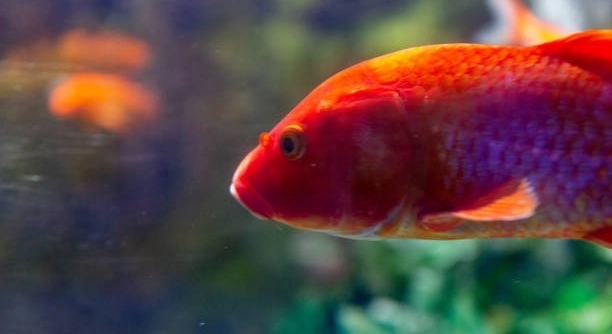
African cichlids are popular freshwater fish known for their vibrant colors and active behavior. Many aquarium owners enjoy keeping them but often experience biting during tank cleaning. Understanding why these fish nip can improve your care routine and safety.
African cichlids bite during cleaning mainly because they feel threatened or stressed. Their territorial nature makes them defensive when someone reaches into their space, and sudden movements can trigger aggressive responses as a form of protection.
Recognizing these behaviors helps you handle your fish more calmly and reduces the chances of being bitten while maintaining their habitat.
Territorial Behavior and Defense
African cichlids are naturally territorial fish. In their environment, each fish claims a certain area and protects it from intruders. When you put your hand into the tank during cleaning, the fish may see it as an invasion of their space. This triggers a defensive response, leading them to bite as a way to defend their territory. The size and aggression level of the cichlid can affect how strongly they react. Some species are more aggressive than others and will bite more frequently. During breeding, their territorial instincts increase, making them even more protective. Recognizing when your fish is feeling territorial can help you avoid unnecessary stress for both you and the fish. Moving slowly and avoiding sudden hand movements can reduce these bites. The fish’s behavior is a natural survival mechanism and not meant to harm you intentionally.
Fish bite to protect their space, especially during tank cleaning when they feel threatened or invaded.
Understanding territorial behavior helps you approach cleaning with more care. Avoid putting your hand directly into active zones. You can try rearranging decorations or providing hiding spots to reduce stress. Watching the fish’s body language before cleaning can give clues about their mood. If they flare their fins or show bright colors, they may be more aggressive. Cleaning the tank during their less active times can also minimize biting. By respecting their territory and being patient, you can make tank maintenance safer and more comfortable for everyone involved.
Mistaking Hands for Food
Sometimes, African cichlids bite because they mistake your hand for food. These fish are highly responsive to movement and often associate quick motions with feeding time. When you reach into the tank, the fish might think you are offering a meal and try to nip at your fingers. This confusion can happen more when you feed them regularly by hand or use feeding tools. The fish’s sharp teeth can cause painful bites if they mistake your hand for food. To avoid this, it helps to make a clear distinction between feeding times and cleaning times. Using separate tools for cleaning and feeding also reduces this problem. Over time, the fish learn to recognize the difference and bite less often.
Bites caused by mistaking hands for food happen when fish react to movement or past feeding habits.
To prevent these bites, avoid sudden hand movements near the water surface during cleaning. Feed the fish away from where you usually clean to reduce confusion. It also helps to keep a consistent feeding schedule so the fish do not become overly excited or aggressive around feeding times. Training the fish to respond to specific feeding signals, like tapping on the glass or using feeding rings, can improve their behavior. Using long tools or nets during cleaning keeps your hands out of reach. Being mindful of how your fish associate your actions with feeding can reduce accidental bites and keep the tank environment peaceful.
Stress and Anxiety
Stress is a common reason why African cichlids bite during cleaning. Changes in their environment, like water quality or tank rearrangement, can make them uneasy. When stressed, they become more defensive and may bite to protect themselves.
Stress causes fish to behave unpredictably. Sudden changes in lighting, temperature, or water chemistry can increase anxiety. Cleaning disrupts their normal routine, making them feel vulnerable. The presence of your hand adds to the stress because it’s an unfamiliar object in their space. Stress also weakens their immune system, making them more prone to aggression. To reduce stress, maintain stable water conditions and avoid unnecessary disturbances. Taking time to acclimate fish to changes before cleaning can help keep them calm and reduce biting incidents.
Stress impacts fish health and behavior significantly. Observing their reactions during cleaning helps identify stress triggers. Providing hiding places and keeping a consistent cleaning schedule offers comfort. If fish are stressed, slow movements and gentle handling during cleaning minimize bites. Using tools to limit hand contact also lowers stress for both you and the fish. Consistency and care create a calmer environment, making cleaning easier.
Poor Water Quality
Poor water quality affects African cichlids’ behavior, making them more likely to bite during cleaning. Dirty or imbalanced water causes discomfort and irritates fish, leading to aggression. Maintaining clean water is essential for peaceful tank interactions.
Water quality issues such as high ammonia, nitrite, or nitrate levels directly stress fish. This stress increases irritability and defensive behavior. Fish may bite as a response to discomfort or pain caused by polluted water. Regular water testing and proper filtration help prevent buildup of harmful substances. Partial water changes during cleaning improve conditions and calm fish. When water quality is poor, cichlids are more sensitive to disturbances, including your hand movements during cleaning. Addressing water issues promotes healthier, less aggressive fish and reduces biting incidents.
Breeding Season Aggression
During breeding, African cichlids become highly protective. They may bite more often to guard their eggs or fry. This behavior is natural and temporary.
Breeding pairs defend their territory aggressively. It’s best to minimize disturbances and avoid cleaning near their nesting sites during this time.
Mistaken Identity
African cichlids sometimes confuse fingers for tank decorations or rival fish. This causes quick nips as they explore or assert dominance. Understanding this helps reduce unexpected bites.
Handling and Movement
Fast or sudden hand movements inside the tank can startle cichlids. They react by biting to defend themselves. Moving slowly and calmly reduces this risk.
Why do African cichlids bite during cleaning?
African cichlids bite during cleaning mainly because they feel threatened or stressed. Their natural territorial instincts make them defensive when someone reaches into their space. Sudden movements or unfamiliar objects like your hand can trigger biting as a way to protect themselves or their territory.
How can I reduce biting when cleaning my tank?
To reduce biting, move your hand slowly and calmly inside the tank. Avoid sudden movements that startle the fish. Try cleaning during times when the fish are less active. Providing hiding places and rearranging decorations can also lower their stress. Using cleaning tools instead of your hand helps keep a safe distance.
Is biting a sign of aggression or fear?
Biting can be both aggression and fear. Cichlids are territorial and may attack to defend their space, which is aggressive behavior. At the same time, they bite because they feel scared or stressed by unfamiliar actions near them. It’s important to understand both feelings to handle them properly.
Does breeding affect biting behavior?
Yes, breeding increases biting. During this time, cichlids become very protective of their eggs and fry. They are more likely to bite anything they see as a threat. Avoid disturbing the tank too much when they are breeding to prevent aggressive behavior.
Can water quality impact biting?
Poor water quality makes cichlids more irritable and stressed, which can lead to more biting. High ammonia, nitrites, or nitrates cause discomfort, making fish defensive. Keeping water clean through regular testing and changes reduces biting caused by stress from bad water conditions.
Why do cichlids mistake my hand for food?
Cichlids react quickly to movement and may associate your hand with feeding, especially if you feed them by hand or use feeding tools. This confusion causes them to nip at your fingers thinking it’s food. Feeding at set times and using separate tools for cleaning help reduce this mistake.
Are some species more likely to bite?
Yes, some African cichlid species are naturally more aggressive and territorial than others. These species tend to bite more often during tank cleaning. Knowing your fish’s temperament helps you prepare and adjust your handling approach accordingly.
What should I do if I get bitten?
If you get bitten, clean the wound thoroughly with soap and water. Watch for signs of infection like redness or swelling. Most cichlid bites are minor but can be painful due to their sharp teeth. If the bite is deep or shows signs of infection, seek medical advice.
How can I help my fish feel less stressed during cleaning?
Maintain stable water conditions, avoid changing the tank layout suddenly, and keep a calm, slow hand movement. Providing hiding spots where fish can retreat also helps. Stick to a consistent cleaning schedule so fish can predict when maintenance happens, lowering stress.
Is it okay to use gloves when cleaning the tank?
Using gloves is fine and often helpful. Gloves protect your hands from bites and prevent transferring harmful chemicals or oils into the tank. Choose gloves that are clean and free from soap or lotion to avoid contaminating the water.
Can frequent cleaning cause more biting?
Frequent cleaning can increase biting if it stresses the fish. Too much disturbance makes cichlids more defensive and aggressive. However, neglecting cleaning can harm water quality and also cause stress. Finding a balance with a proper schedule helps reduce biting.
What role does tank size play in biting?
Smaller tanks increase territorial disputes because fish have less space to spread out. This can lead to more biting during cleaning. Larger tanks with ample hiding spots allow cichlids to feel safer and reduce aggression, lowering bite incidents.
How do I recognize when a cichlid is about to bite?
Signs include flared fins, bright or darkened colors, and sudden darting movements. The fish may swim close and snap their mouth in quick bites. Recognizing these signs lets you slow down or pause your cleaning to avoid bites.
Is it possible to train cichlids not to bite?
While you can’t completely stop biting, you can reduce it by establishing a routine. Feeding at regular times and using consistent cleaning methods help fish get used to your presence. Over time, they may bite less as they learn your hand is not a threat.
Can poor diet cause biting behavior?
A poor diet may make cichlids more irritable or aggressive. Ensuring a balanced diet with proper nutrients supports their health and reduces stress-related biting. Avoid overfeeding, which can cause water quality problems, increasing aggression.
What is the best way to clean a tank with aggressive cichlids?
Use long tools like nets or siphons to minimize hand contact. Move slowly and focus on small sections of the tank at a time. Give fish breaks by stopping if they get too aggressive, and try cleaning during their less active periods to avoid provoking bites.
African cichlids are beautiful and interesting fish, but they do have some behaviors that require understanding and patience. Biting during tank cleaning is one of these behaviors. It is important to remember that biting is not about attacking you personally. Instead, it is usually a natural response caused by their instincts to protect their territory, feel safe, or react to stress. Knowing why your fish bite can help you take steps to reduce these incidents and keep your fish healthy and calm.
Taking care of your cichlids means creating a stable and comfortable environment for them. This includes keeping the water clean and balanced, avoiding sudden changes in the tank setup, and moving slowly during cleaning. Giving the fish hiding spots or extra space can make them feel safer and less likely to bite. You can also use tools instead of your hand to clean the tank, which keeps you safer and reduces stress for the fish. Remember, patience and gentle handling will go a long way in building trust between you and your cichlids.
Overall, biting is a normal part of how African cichlids communicate and protect themselves. It should not stop you from enjoying your fish or caring for them. By understanding their behavior and adjusting how you clean their tank, you can make the experience better for both you and the fish. Keeping these tips in mind will help you have a healthier tank and a safer cleaning routine. With time, you will learn to recognize your fish’s signals and respond in a way that keeps everyone comfortable and happy.

Hello,
If you enjoy the content that we create, please consider saying a "Thank You!" by leaving a tip.
Every little bit helps us continue crafting quality advice that supports the health, happiness, and well-being of pets around the world, for pets of all shapes, sizes, and species.
We really appreciate the kindness and support that you show us!